Historic Delaware County Flood Wipes Out Crops at 100-Year-Old Farm

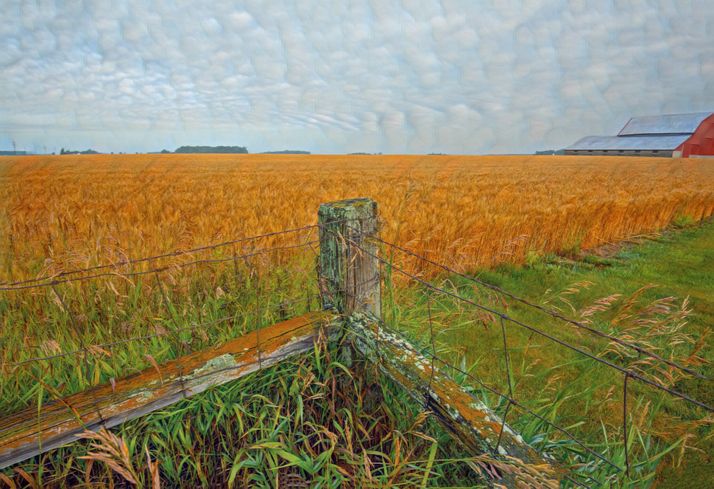
DALEVILLE, Ind. — Receding floodwaters at Landess Farm have left behind severe crop damage and financial uncertainty following last week’s historic deluge in Delaware County.
Owner Jesse Landess spent Thursday surveying the damage across his property, where more than a foot of standing water destroyed major portions of his upcoming yield. “The pumpkin patch is basically gone because it just couldn’t take 15, 16 inches of water,” Landess said.
Ahead of the farm’s annual fall celebrations, the loss of the pumpkin crop is a heavy blow. Field leaves lie yellow and limp, and while a few young blossoms survived, Landess noted it remains too early to tell if any will produce viable fruit. Nearby, three aboveground shelter tunnels meant to shield high-value crops failed to save young tomato plants from rising floodwaters.
Landess estimates total direct revenue losses between $5,000 and $8,000. To meet local customer demand this fall, the farm will need to outsource pumpkins and melons from outside vendors. The severe moisture is also threatening future seasons. Landess currently has 7,500 strawberry plants sitting idle in boxes because the soil remains too saturated for planting.
While the farm’s sweet corn and soybean fields remain standing, agricultural experts warn that the true extent of the damage across the region won’t be fully known until harvest. Dan Quinn, an assistant professor of agronomy at Purdue University, advises local producers to monitor saturated fields closely for crop rot and disease.
“Farmers may have to prioritize flooded fields just to get the grain out,” Quinn said, noting that crop quality deteriorates rapidly the longer plants sit in stagnant moisture.
Despite tackling the worst flooding in the farm’s nearly 100-year history, Landess remains hopeful about the future.
“Farming is a faith venture,” Landess said. “You put the seed in the ground; there’s nothing more you can do, and you have to have faith that you’ll be taken care of by a higher power.”