The Housing Trends Emerging as Buyers Look Beyond the Purchase Price

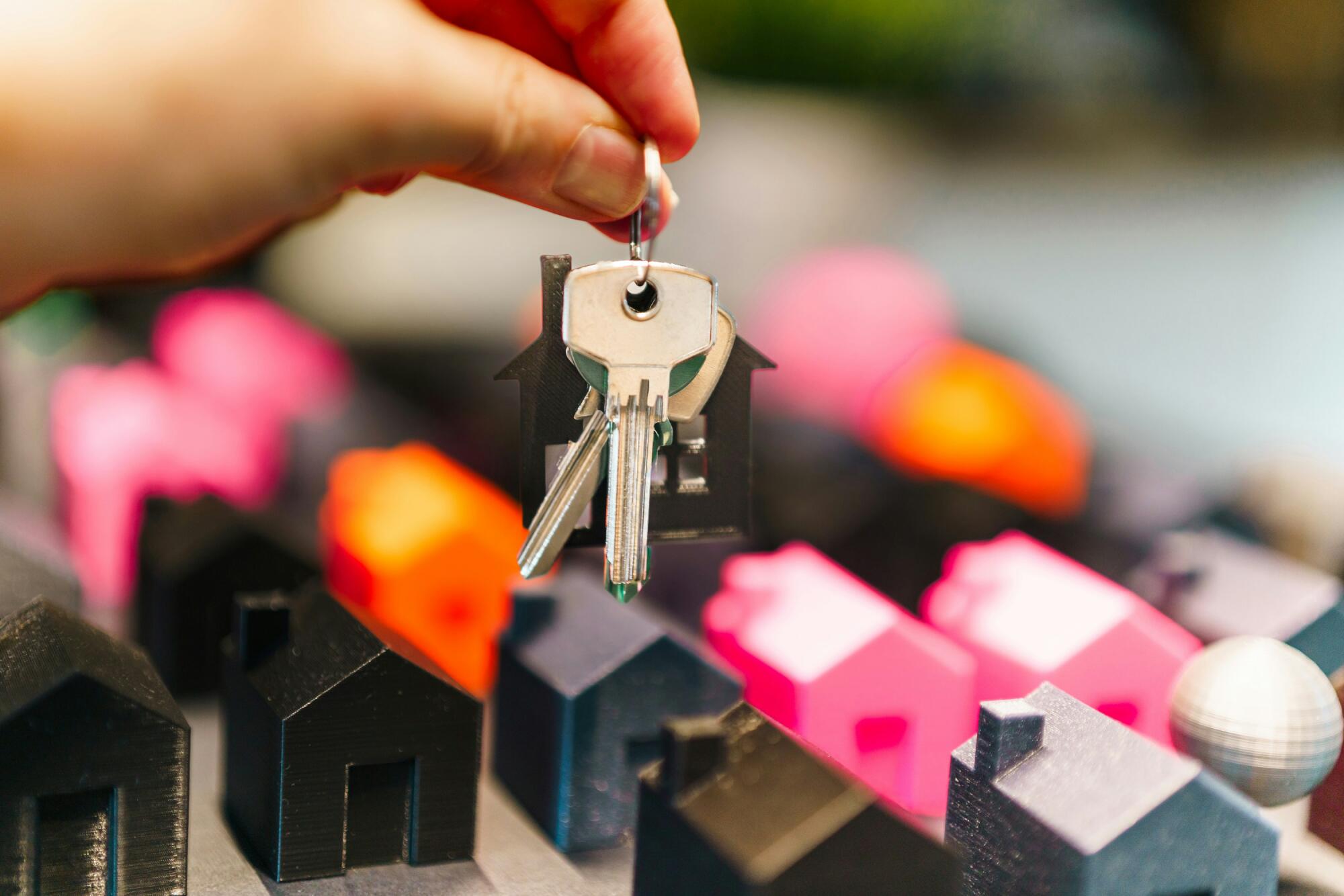
The housing trends emerging as buyers look beyond the purchase price are that rising insurance costs are shaping homebuying decisions, and energy efficiency is becoming a bigger selling point. Neighborhood resilience is influencing long-term value, and maintenance expectations are affecting buyer preferences.
In 2024, the National Association of Realtors (NAR) noted that the share of first-time homebuyers had fallen to 21%, which became a record low. In addition, the typical age for this demographic reached an all-time high of 40 years.
These statistics suggest an obvious change in housing trends, and people are looking beyond the purchase price. These are the main things influencing homebuyer priorities.
Rising Insurance Costs Are Shaping Homebuying Decisions
One of the main home-buying factors people are looking at is homeowners’ insurance. This has become a major consideration because premiums have climbed in many parts of the country due to severe weather, rebuilding costs, and increased insurer losses. As a result, homes in flood-prone, wildfire-prone, or hurricane-prone areas may have substantially higher annual insurance bills than similar properties elsewhere.
Buyers are requesting things like Florida flood insurance quotes before making offers so they can accurately estimate monthly housing expenses. Some are even changing neighborhoods or states after comparing long-term ownership costs. This shows a broader trend toward evaluating financial sustainability rather than simply focusing on qualifying for a loan or negotiating the lowest sale price.
Energy Efficiency Is Becoming a Bigger Selling Point
Potential homeowners are now looking more into operating costs, too, and this makes energy-efficient homes very attractive. Buyers are paying closer attention to:
- Insulation
- HVAC systems
- Windows
- Roofing materials
- Solar readiness
These features can reduce utility bills for years after closing. Even relatively modest upgrades (e.g., smart thermostats or energy-efficient appliances) can make a property more appealing by lowering ongoing household expenses.
In places with extreme summer or winter temperatures, expected heating and cooling costs are becoming an important part of affordability calculations. Instead of viewing sustainability as just an environmental benefit, many buyers now see efficiency improvements as practical investments that help stabilize monthly budgets and reduce the financial impact of rising energy prices.
Neighborhood Resilience Is Influencing Long-Term Property Value
One of the top real estate market trends today is that homebuyers are placing greater emphasis on how well neighborhoods can withstand future challenges rather than judging homes only by today’s appearance. They’re researching:
- Local infrastructure
- Stormwater drainage
- Road maintenance
- Utility reliability
- Community investment plans
Areas with things like updated water systems and dependable power grids are viewed as better long-term investments because they may require fewer unexpected costs or disruptions over time.
Buyers are also considering factors that can improve the quality of life without increasing transportation expenses, such as walkability, access to healthcare, and nearby grocery stores.
Maintenance Expectations Are Affecting Buyer Preferences
Many buyers are now prioritizing properties that require minimal maintenance after purchase. They’re not budgeting solely for closing costs; they’re factoring in the age and condition of major systems, such as:
- Roofs
- Plumbing
- Electrical wiring
- Foundations
When properties have recent inspections, documented maintenance records, and updated mechanical systems, they often generate stronger interest since they reduce the likelihood of expensive repairs soon after moving in.
Other things buyers are paying closer attention to are:
- Landscaping
- Exterior materials
- Drainage
This reflects the trend that people are understanding that a home’s affordability extends well beyond its purchase price.

Is Now a Good Time to Buy a House in the USA?
Whether now is a good time to buy depends more on your financial readiness than on trying to perfectly time the housing market. If you fit the following criteria, then you may benefit from purchasing even during periods of elevated mortgage rates:
- Stable income
- Manageable debt
- A healthy down payment
- Plans to stay in the home for several years
If rates decline later, refinancing may reduce monthly payments without requiring another home purchase. Waiting for prices or interest rates to fall simultaneously can be risky because improved affordability often attracts more buyers. This can increase competition and drive prices higher again.
Before buying, you should compare total monthly housing costs to ensure the purchase comfortably fits your long-term budget rather than focus solely on the home’s listing price.
Frequently Asked Questions (FAQs)
Are House Prices Dropping in the USA?
House prices in the US aren’t falling uniformly; instead, the market has become increasingly regional, with some cities experiencing modest price declines while others continue to post gains due to limited inventory and strong local job markets.
Areas that saw rapid appreciation during the pandemic have generally been more susceptible to price corrections. The markets that have the following have remained relatively resilient:
- Steady population growth
- Diverse employment opportunities
- Constrained housing supply
Do Homebuyers See Potential Buying Opportunities in a Possible Recession?
A potential recession can create opportunities for homebuyers, but the advantages depend on personal financial stability rather than the broader economy alone. During periods of economic uncertainty, competition often eases as some buyers delay major purchases, and this leads to more negotiating power for those who remain active. Sellers may become more flexible on repairs, contingencies, or contract terms if homes stay on the market for longer.
Some buyers also watch for lower mortgage rates if the Federal Reserve eventually shifts monetary policy to support economic growth. Rate movements are never guaranteed, though.
What Increases House Prices the Most?
One of the strongest drivers is an imbalance between housing supply and buyer demand. When new home construction fails to keep pace with population growth, existing homes become more valuable because buyers compete for a limited number of properties.
Infrastructure improvements can also significantly boost nearby property values by making neighborhoods more desirable. These things can further increase demand:
- School district quality
- Low crime rates
- Access to parks and amenities
On an individual property level, improvements that expand usable living space often provide stronger value appreciation than purely cosmetic upgrades.
Keep Up With Housing Trends
Staying up-to-date about housing trends can really help, especially if you’re in the market to buy or sell in the near future. By understanding what people want, you can then get the best price possible, no matter which side you’re on.
Keep browsing our website to find more informative posts.