Why aging water infrastructure is becoming a concern for hospitals
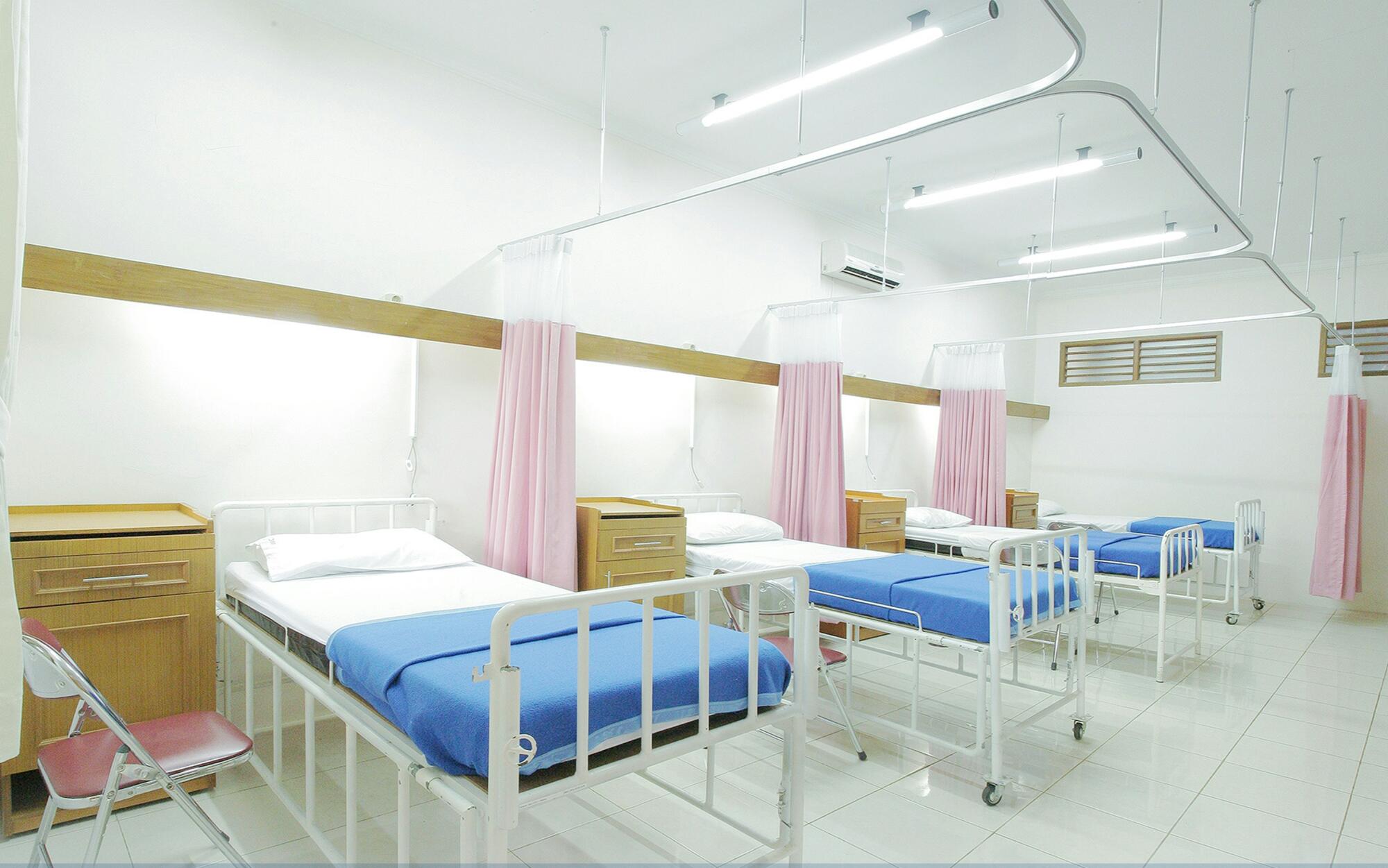
Aging water infrastructure is becoming a growing concern for hospitals because outdated pipes, valves, and plumbing systems can threaten patient safety, interrupt daily operations, and increase maintenance costs. Proactive inspections, upgrades, and water quality management help healthcare facilities reduce risks, protect critical services, and support compliance with health and safety standards.
A routine morning begins with staff preparing for another busy day. Then a hidden water main failure cuts pressure across part of the building, forcing departments to delay procedures while maintenance crews scramble to contain the problem. Hospitals depend on reliable water every hour of every day, making aging infrastructure far more than a maintenance issue.
As many healthcare facilities continue operating in older buildings, investing in modern water systems has become an important step toward protecting patients, supporting caregivers, and keeping essential services running without interruption.
What Are the Primary Health Risks Associated With Older Hospital Pipes?
Older hospital pipes can create hidden vulnerabilities that extend beyond leaks and maintenance concerns.
As plumbing systems age, the following can make it more difficult to maintain the healthcare water supply and system performance:
- Rough interior surfaces
- Worn fittings
- Decades of mineral deposits
- Aging valves and pipe connections
- Reduced pipe diameter from scale buildup
These conditions increase the importance of careful oversight in healthcare environments.
Changes in water pressure can affect specialized medical equipment that depends on a stable water supply. Inconsistent flow may also reduce the effectiveness of fixtures used for:
- Handwashing
- Cleaning
- Sanitation
Even localized plumbing issues can have ripple effects across multiple departments.
Aging infrastructure can also make infection prevention efforts more complex, often resulting in an increase in inspections and water quality testing as plumbing systems age. Maintenance teams may also flush water lines more frequently, service valves, and replace worn components to keep the system operating safely and reliably.
Improving Hospital Resilience
Resilient hospitals are better equipped to continue serving patients when unexpected challenges arise. Hospitals often prepare for severe weather and power outages.
Reliable water infrastructure deserves the same attention. Investing in stronger plumbing systems and long-term infrastructure planning helps hospitals maintain essential services during:
- Equipment failures
- Utility disruptions
- Periods of increased demand
- Planned maintenance projects
- Emergency response situations
- Temporary supply interruptions
What Steps Can Hospitals Take To Secure Their Aging Water Infrastructure?
Protecting aging water infrastructure requires a proactive strategy instead of waiting for equipment to fail. Hospitals that routinely evaluate their plumbing systems can identify developing issues early. They reduce service disruptions that could affect patient care.
One of the most effective steps is creating a long-term capital improvement plan. Replacing pipes, valves, pumps, and other aging components in phases allows facilities to spread costs over time while addressing the highest priority risks first. Hospitals may also work with water treatment services in Kansas City, MO, to assess water quality concerns and recommend practical solutions.
Technology can strengthen water system security as well. New tech can identify abnormal water pressure, unexpected flow changes, or excessive water use before they develop into costly emergencies. These systems provide maintenance teams with useful data that supports faster response times.
Planning For The Future
Rather than responding to unexpected failures, many healthcare organizations are adopting long-term infrastructure strategies that prioritize:
- Gradual upgrades
- Routine evaluations
- Sustainable investment
- Risk-based replacement planning
- Water system resilience
- Improved emergency preparedness
This approach helps reduce disruptions while making budgeting more predictable.
Future planning also includes preparing for changing demands. Population growth, larger hospital campuses, and new medical technology all increase demand on existing plumbing systems. Hospitals that plan for future patient volumes and equipment needs can reduce the risk of expensive upgrades later.
Infrastructure planning should extend beyond pipes alone. Decision makers often evaluate:
- Water storage capacity
- Treatment equipment
- Emergency connections
- Overall system resilience
Coordinating these projects with other facility upgrades can reduce construction costs and minimize interruptions to daily operations.
Addressing Infrastructure Challenges in Hospitals By Training Staff
Even the most reliable water system depends on people who know how to respond when problems arise.
Clear procedures and regular training can help hospitals respond more quickly while protecting patient care.
Staff should know the warning signs of plumbing problems. These include leaks, changes in water pressure, discolored water, and equipment that is not working properly. They should also know how to report these issues quickly so maintenance teams can inspect the system before the problem gets worse.
Hospitals can strengthen preparedness by conducting emergency exercises that simulate water outages or plumbing failures. These drills:
- Help departments practice communication
- Coordinate backup procedures
- Verify that essential services can continue operating
- Clarify staff roles and responsibilities during an incident
- Improve coordination with local emergency responders and utility providers
Frequently Asked Questions
What Pathogens Spread Through Older Pipes?
Older pipes can create conditions that allow certain waterborne pathogens to grow if:
- Water becomes stagnant
- Temperatures are favorable
- Hospital plumbing systems are not properly maintained
One of the most well-known concerns in healthcare settings is Legionella. Legionella can cause Legionnaires’ disease. Building water systems can also harbor microorganisms such as Pseudomonas aeruginosa and nontuberculous mycobacteria when conditions allow.
How Often Should Hospitals Inspect Their Water Infrastructure?
There is no single inspection schedule that applies to every hospital. The frequency depends on factors such as:
- The age of the building
- Plumbing system condition
- Regulatory requirements
- The facility’s water management plan
Many hospitals perform routine inspections throughout the year while scheduling more comprehensive assessments annually. They can also be done after major renovations, water quality issues, or plumbing failures.
What Financial Risks Come With Delaying Water Infrastructure Upgrades?
Delaying water infrastructure upgrades can lead to higher costs over time. Minor plumbing issues may develop into major pipe failures that require emergency repairs, damage hospital equipment, or disrupt patient care. Unexpected water outages can also force hospitals to:
- Postpone procedures
- Relocate patients
- Temporarily close affected areas
Those all cause lost revenue and increased operating expenses.
Regular maintenance and planned infrastructure upgrades help hospitals avoid expensive emergency repairs. They can extend the life of critical systems.
Invest in Water Infrastructure Today
Aging water infrastructure can be a huge problem for hospitals. It can cause health risks and even have a long-term financial impact.
Do you need more help with business operations? Check out some of our other helpful posts ASAP.
This article was prepared by an independent contributor and helps us continue to deliver quality news and information.