Indiana’s SBBC Expands Autism Support and School-Readiness Programs
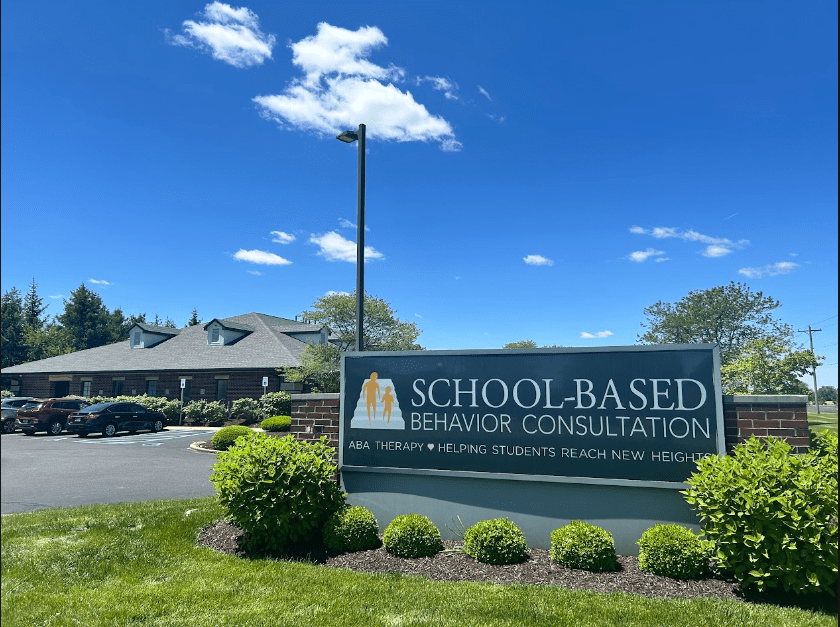
INDIANAPOLIS — As Indiana families settle into their summer break schedules, the sudden loss of daily school routines can introduce significant stress and behavioral disruption for children with autism and developmental needs.
To bridge this gap, School-Based Behavior Consultation (SBBC) is launching a free quarterly caregiver webinar series aimed at helping families transition from simply surviving the summer to helping their children thrive.
The inaugural session, titled “Summer Survival Skills,” will stream live on Wednesday, June 24, 2026, at 6:00 p.m. EDT. The event is free and open to the broader community, not just existing SBBC clients. Hosted by Jenna Maxwell, BCBA, SBBC’s Director of Clinical Training and Development, the one-hour session will cover essential proactive strategies, including:
Anchor Routines: Creating predictable schedules and visual tools to maintain stability.
Sensory & Calm Spaces: Setting up regulating environments at home and on the go.
Successful Outings: Managing trips to parks, pools, family gatherings, and vacations.
Meltdown Management: Handling unexpected changes and transitions smoothly.
Flexibility & Fun: Balancing necessary structures with spontaneous family bonding.
Interested participants can register and access free downloadable resources, such as visual timers and sample schedules, by visiting sbbcaba.com.
Rooted in Real-World Classrooms and Communities
Founded in 2020 by Board Certified Behavior Analyst (BCBA) Kristie Koch, SBBC provides multidisciplinary care—including Applied Behavior Analysis (ABA), speech, and occupational therapy—across clinic, home, and school environments. What began as a solo endeavor has expanded into a multi-county network with accredited centers in New Palestine, Muncie, Gas City, and a newly opened facility in Kokomo serving Howard County.
Koch’s journey into behavior consultation began during her graduate studies at Ball State University, where she worked alongside adults on the autism spectrum.
“I gleaned so much experience from what they shared about what helped them… I felt like I got as much of an education from the adults as I did with my graduate program,” Koch reflected. “But it gave me a passion to go and work with younger individuals, believing in their abilities.”
Driven by a desire to improve the long-term autonomy and quality of life for individuals with neurodiversities, Koch took a temporary 12-week role as a school behavior specialist in Greenfield, Indiana. Her evidence-based approach yielded immediate breakthroughs, allowing students who previously struggled with severe skill deficits to successfully remain in general education settings.
SBBC’s philosophy remains rooted in meeting children precisely where their challenges occur. Koch recalls a pivotal turning point involving a young foster child with a traumatic brain injury and severe aggression who struggled to stay in placement. Through intensive, localized support, the child stabilized and was ultimately adopted by his foster family.
“We go where the needs are,” Koch said. “We see the best results where we’re able to actually go on site to the playground or to the ball diamond or wherever it may be where the behaviors are the most challenging.”
Meeting a Growing Statewide Demand
The launch of the caregiver webinar series arrives at a critical moment. According to the CDC’s Autism and Developmental Disabilities Monitoring (ADDM) Network, approximately 1 in 31 children aged 8 has been identified with Autism Spectrum Disorder (ASD).
To ensure children transition effectively into traditional learning environments, SBBC also operates a specialized school-readiness program directed by Madi Miller. Mirroring real-world classroom structures, the program currently partners with 14 Indiana school districts to build peer interaction, group learning, and independence skills.
“Whether it’s us or other people, we want kids to gain access to this type of experience,” Koch emphasized. “In the long run, if kids get access to education as well as quality ABA, they’re going to have better outcomes. It all makes a difference when it comes to providing education pathways to everyone.”