Trump Signs Iran Deal, Eases Sanctions and Oil Restrictions
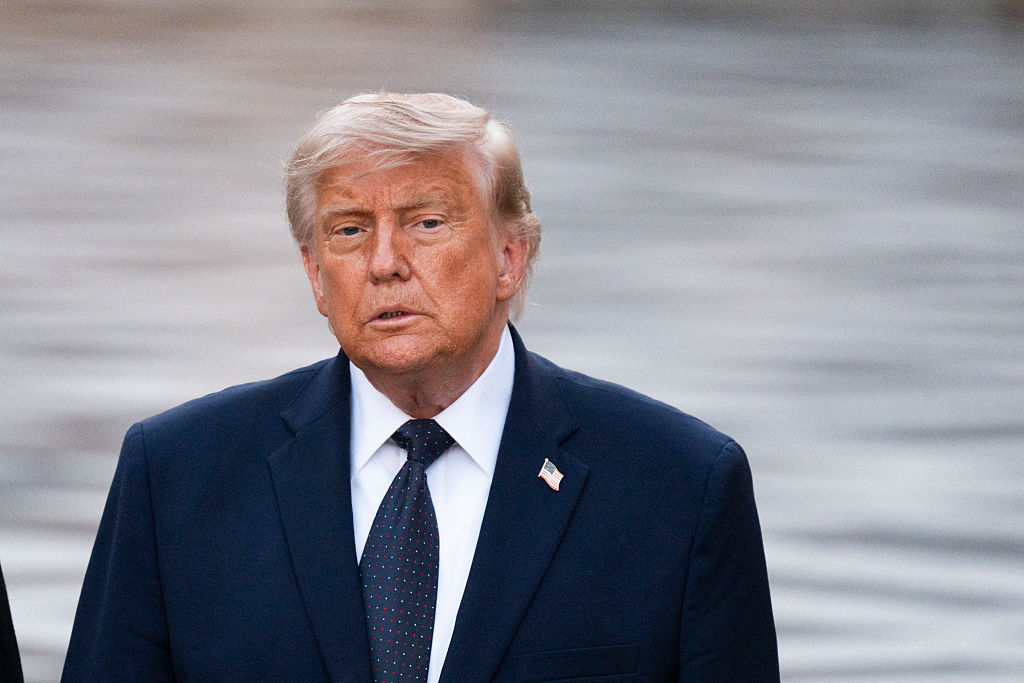
President Donald Trump signed an interim agreement with Iran on Wednesday that immediately ends hostilities between the two countries and launches a 60-day negotiating period aimed at reaching a broader deal on Tehran’s nuclear program.
The agreement requires Iran to dilute its stockpile of highly enriched uranium under monitoring by the International Atomic Energy Agency (IAEA). In return, the U.S. will waive key sanctions, allowing Iran to resume unrestricted oil exports immediately and opening the door to the eventual lifting of all U.S. and U.N. sanctions.
Trump signed the deal during a dinner with French President Emmanuel Macron at the Palace of Versailles, while Iranian President Masoud Pezeshkian signed it in Tehran. Pakistani Prime Minister Shehbaz Sharif, who helped mediate the negotiations, announced that the agreement took effect immediately.
The accord restores several prewar conditions, including reopening the Strait of Hormuz, a vital global energy shipping route whose closure during the conflict caused major disruptions to oil and gas markets. The U.S. also agreed to lift its blockade of Iranian ports, with shipping traffic expected to return to normal within 30 days.
The deal includes provisions supporting Lebanon’s territorial integrity, though disagreements remain over Israel’s military presence in parts of the country. Israel has rejected Iran’s interpretation that the agreement requires a withdrawal.
Critics are expected to challenge the concessions granted to Iran, particularly the immediate oil sanctions waivers, which some argue reduce U.S. leverage during negotiations. The agreement also contemplates up to $300 billion in reconstruction funding for Iran, though those investments would depend on future talks and are expected to come from Gulf Arab nations rather than the United States.
While Trump praised the agreement as “very strong,” he warned that military action could resume if negotiations fail.