Indiana Secures Rapid Federal Flood Aid, FEMA Launches Test Pilot

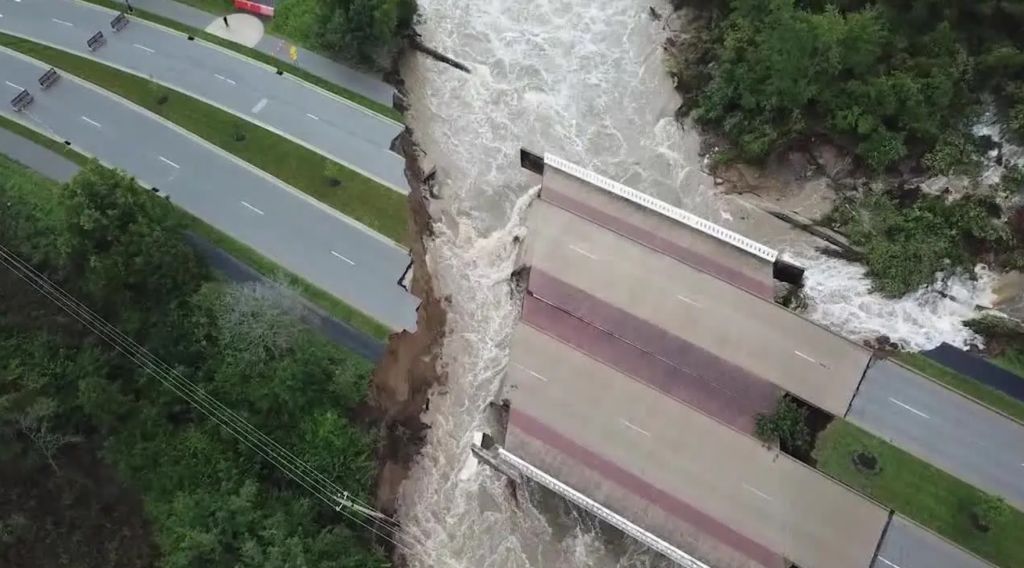
CARMEL, Ind. — State and federal emergency officials convened in Central Indiana to announce accelerated disaster recovery measures following a catastrophic storm system that battered more than half of the state’s counties.
The severe weather event included a destructive derecho—packing hurricane-force winds across an area the size of Indianapolis—followed by historic downstream flooding that overwhelmed municipal infrastructure and displaced hundreds of residents.
Governor Mike Braun highlighted the swift collaboration between local, state, and federal agencies, noting that the state secured an emergency declaration faster than anticipated.
“More than half of your counties are involved… a derecho, which is hurricane force winds, basically impacting up in the region an area the size of Indianapolis,” Braun said. “I talked to the President on a Saturday shortly after it occurred. That is faster than my experience in most things I’ve been engaged with in the six years I was a senator. When it’s of the magnitude that this is, that is when you need the federal government to be fast-footed, and they have been.”
FEMA Administrator Cameron Hamilton confirmed that Indiana will serve as the testing ground for an innovative Public Assistance model. The initiative shifts away from traditional reimbursement processes toward upfront, advanced payments based on early cost estimates.
“We’re going to be using a test pilot program for our public assistance construct, finding ways to disperse state-eligible reimbursements faster,” Hamilton explained. “You move off the reimbursement model into the advanced payment model. Generally speaking, every 12 months you have an escalation of 10 to 15 percent of recovery cost. We want to speed that entire process up and ensure that communities recover fast.”
Hamilton praised local restoration efforts, pointing out that power outages were slashed from nearly 400,000 down to 30,000 within days.
In Carmel, where floodwaters inundated long-standing neighborhoods, Mayor Sue Finkam emphasized that federal visibility on the ground is vital for long-term rebuilding.
“Disasters don’t care about zip codes, city lines, or how prepared you think you are,” Finkam said. “I’ve stood in backyards of people who lived here for nearly 50 years saying, ‘I’ve never seen it like this.’ The test pilot announced today is great news to our residents who are trying to figure out how they can rebuild and stay in Carmel.”
While water levels have begun receding across the region, officials stressed that full economic and structural recovery will require a sustained, multi-agency effort.