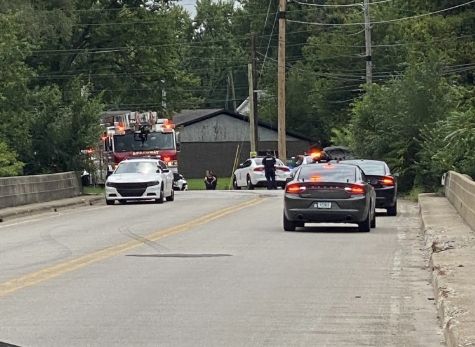
Watch Out for Scammers Washing Up in Flood Zones

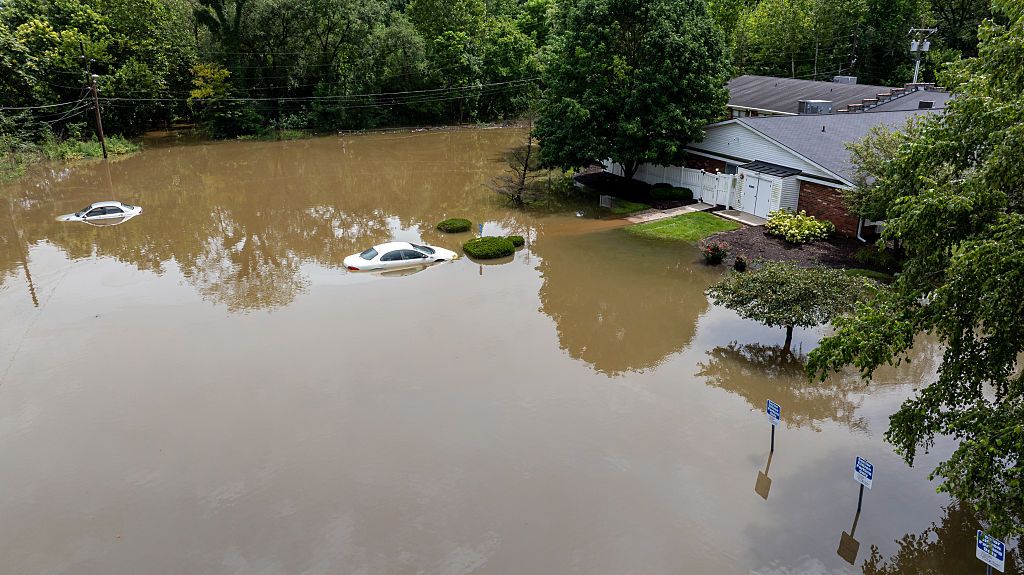
STATEWIDE — Authorities are urging Hoosiers to watch out for scammers due to the flood damage that caused severe flooding throughout the state.
Neighbors at a weekend town hall meeting in Wayne County were warned by the police that scammers are scattering across their neighborhoods.
“Flooding is obviously going to create some opportunities for theft,” said Officer Dillion Pitcher with the Cambridge City Police Department.
Indiana Flooding: Live Updates
This has not been the first warning around central Indiana. The Connersville Police Department informed their residents of scammers invading their property inside the flood zone.
Police said these scammers tend to wash up onto neighborhoods with flooding damage and are persuading neighbors into signing repair contracts right away. Scammers may say your home does not have a solid foundation, isn’t safe to live in, and your home will need to be repaired immediately.
Scammers will also advise neighbors to call their homeowner insurance representative to see if they can receive an insurance claim or promise to waive the deductible.
At the town hall, officer Pitcher also mentioned that folks should “be cautious of scammers claiming to be disaster employees like FEMA or other public organizations.”
RELATED: New Castle Requests Emergency Funds From Historic Flooding
“The people that are going to use an emergency as an opportunity to attack our town will not be tolerated,” Pitcher said. “They will be held accountable and the legal system will take care of them.”
Police also said that if a scammer comes up to you and they can’t properly introduce themselves, do not listen to them. A scammer may also demand that you make a large payment upfront. That should also be ignored.
In the state of Indiana, any contract for home repairs or improvements over $150 include:
- The name and address of the homeowner and property
- The name, address and contact information of the contractor, and any agents
- A reasonably detailed description of the work
- Approximate start and finish dates
If you think a scammer has reached out to you, contact the Indiana Attorney General’s Consumer Protection Division.