Indy Stalking Victim Speaks Out After Ex Resumes Threats Post-Release
INDIANAPOLIS, Ind. — An Indianapolis woman is demanding accountability from local law enforcement and the judicial system after her ex-husband was released from jail early, only to resume a campaign of terror just 11 days later.
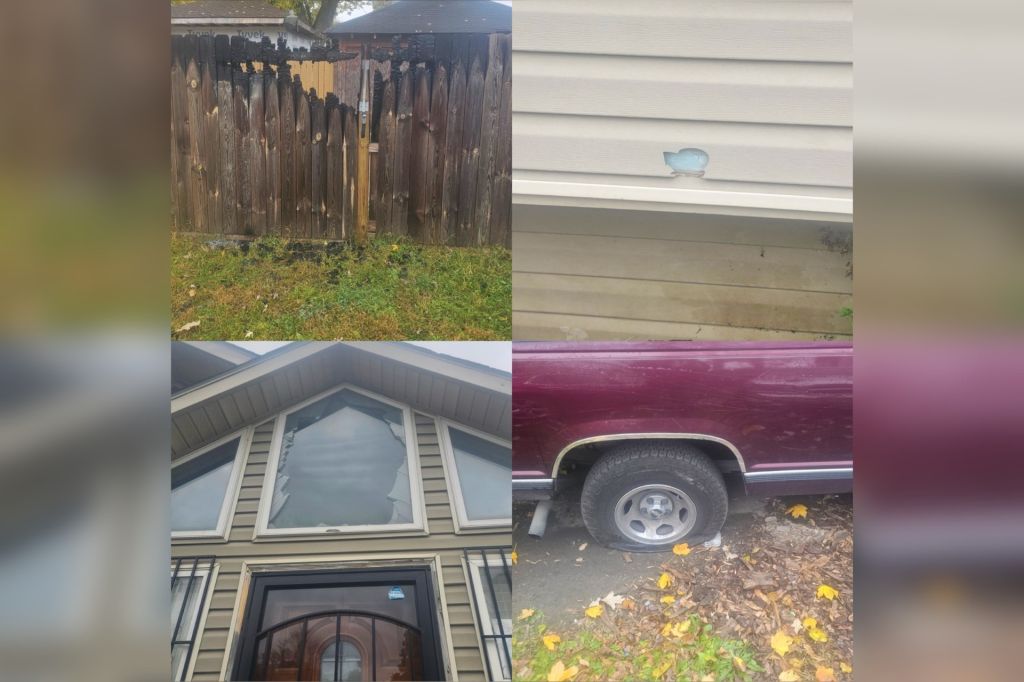
Kelly Humphrey has endured four years of escalation by her ex-husband, David, ranging from financial fraud to physical destruction. He has smashed 17 windows at her home and her son’s home, slashed vehicle tires, and set fire to her house on three separate occasions.
One Woman’s Fight Against a Broken Safety Net
On February 4, he entered a plea agreement convicting him of arson and two counts of invasion of privacy. He received a 730-day sentence, with 365 days suspended and 365 days open to the court. However, because the charge was classified as a Level 6 felony rather than a Level 5, state credit guidelines allowed him to serve only 156 days. He was released on July 10.
“Eleven days after he got released… I started receiving threatening text messages again,” Humphrey said. “The first one told me to ‘stay 360’ with an image of Doomsday coming, like an atomic bomb blowing up.”
Over the following days, Humphrey received messages threatening suicide, images of gasoline and fire emojis, and texts boasting, “My attorney is the man, I don’t have to pay you shit.” To verify the source of the texts, Humphrey’s friend, paralegal Amanda Zane, called the unknown number inquiring about a real estate property. He answered directly, confirming his identity.
Despite immediate police reports and a pre-existing criminal no-contact order, Humphrey encountered resistance from law enforcement. On July 24, Detective Paul Bellows suggested to Humphrey that David’s “bark was more than his bite.”
“That’s easy for you to say,” Humphrey fired back. “You haven’t lived through three arsons. You haven’t lived through your windows being boarded up because your windows are still currently busted out… How can you say something like that?”
The situation escalated to the point where Indiana Appellate Court Judge May, a personal friend and neighbor of Humphrey, personally contacted law enforcement on July 29 to express outrage over the handling of the case. When Humphrey later called to check on a warrant, the police department routed her call to a front-desk secretary rather than the detective.
“I said, ‘I want you to do your f*cking job,'” Humphrey recalled telling the staff member. “He violated the no-contact order. He spent nine months and two days in jail, and in eleven days he has harassed me now… He’s threatening me.”
Fast forward to a few days later, an arrest warrant was issued late in the afternoon on July 31. Officers took David back into custody in Marion County later that evening. He now remains in jail on a $20,000 cash bond while facing upcoming court hearings for probation violations and a potential bond reduction. If he posts bond, terms of his release would place him on home detention with location exclusion zones. However, Humphrey cautions that such measures offer false security.
“Exclusion zones don’t prevent him from text threatening me,” Humphrey warned. “Neither does a court order.”
The Response from IMPD: Bridging the Gap in Protection (This is from the original article that you can find HERE.)
Officer Tommy Thompson of the Indianapolis Metropolitan Police Department (IMPD) provided clarity on how the department manages protective orders and what victims can do when the system fails to populate a record.
- The “Certified Copy” Solution
One of the most significant hurdles in Humphrey’s case was the claim by officers that her protective order was “not in the system.” Thompson acknowledges that while the system is designed to populate orders automatically once entered by the courts, “human error” can occur—especially with name variations or hyphenated surnames. To counter this, Thompson says that victims should not rely solely on the digital system. He advises that having a physical, certified copy (often stamped by the Clerk’s Office) serves as an undeniable proof of protection that an officer on the street can verify instantly, even if the database is lagging. - The Power of the “Cause Number”
Thompson notes that “Cause Numbers”—the unique identifiers assigned by the prosecutor or court—are the most effective way for officers to locate a record that isn’t appearing under a name search.
Steps for Victims
Thompson outlined a clear protocol for those who feel the system is failing them:
Demand a Report: If an officer claims they can’t see an order, Thompson urges victims to “demand the report” anyway to ensure the encounter is documented.
Utilize Outreach: He points victims toward resources like Victim’s Assistance, Indy Champions, and the Indy Public Safety Foundation, which provide advocacy that goes beyond standard police response.
If you or someone you know is experiencing domestic violence, the National Domestic Violence Hotline is available 24/7 at 1-800-799-SAFE (7233).