Why live event production leaves little room for technical mistakes
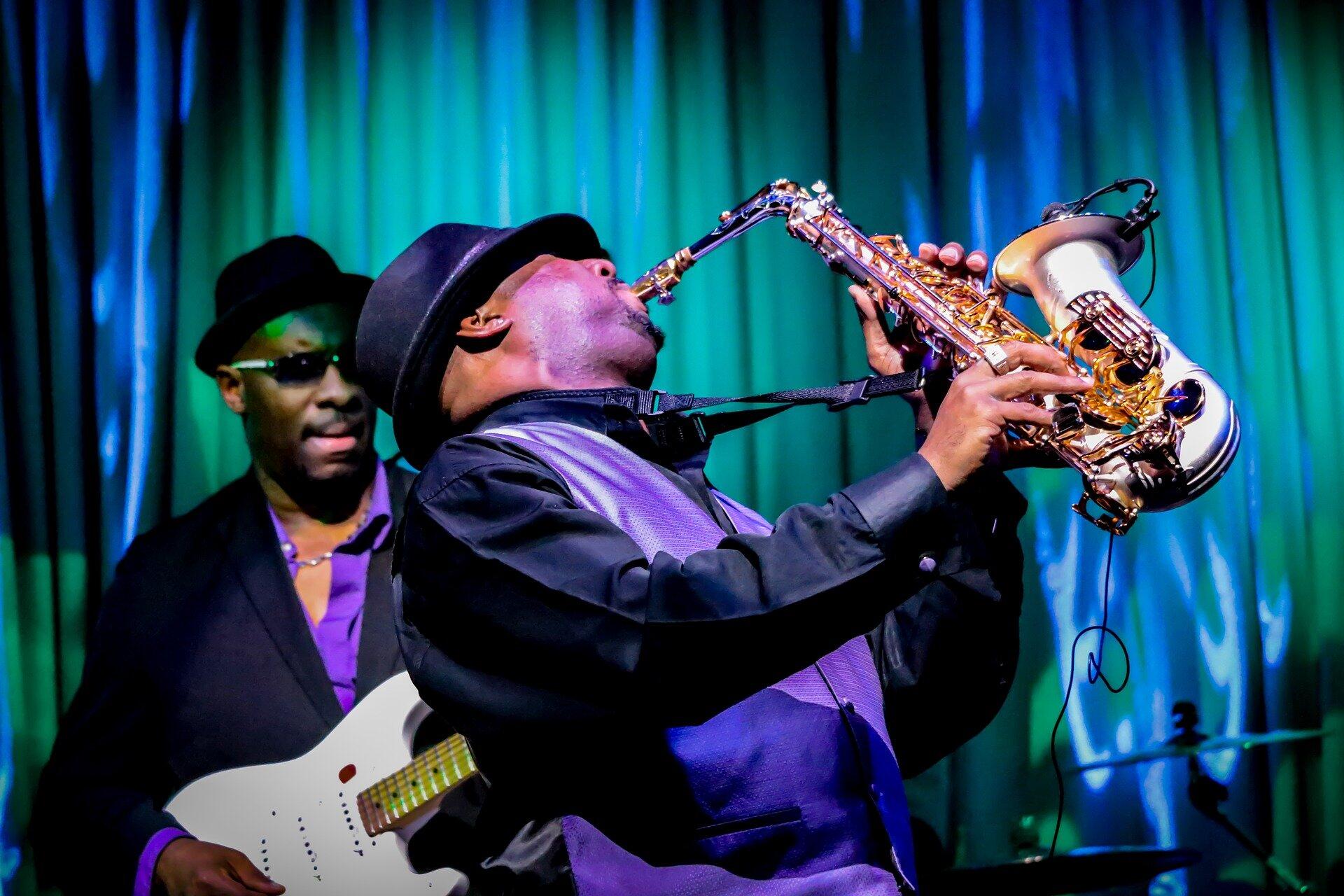
Live event production leaves little room for technical mistakes because every moment unfolds in real time, before a live audience, with no ability to pause or correct. A single failure, like an audio dropout, a frozen screen, or a lighting blackout, can cascade through an entire program and leave attendees with a lasting negative impression of the brand behind it.
Imagine a keynote speaker is mid-sentence when the microphone cuts out. The room stills. Those few seconds of silence feel endless to the speaker, to the crew, and to every person watching.
That moment captures exactly what’s at stake. Every element of a live show is interconnected, and a weak link anywhere pulls the whole production down. This article breaks down the pressures that make technical execution so demanding and what it takes to stay ahead of failure before a single attendee walks through the door.
The Real-Time Nature of Live Events
Every live event plays out in real time, with no safety net. Audio-visual solutions cover the full chain of sound, lighting, and video, and any break in that chain shows up instantly in front of every person in the room.
A video feed that drops for three seconds might seem minor in isolation. That moment is often what attendees remember most from the experience.
Production teams carry the weight of making every element land correctly on the first attempt, so thorough preparation is the only real buffer between a flawless show and a visible failure. There is no second take in a live setting, and that reality naturally shapes every decision a production team makes from setup to showtime.
Why Do Technical Errors Have Such a Lasting Impact on Audiences?
Attendees arrive at live events with high expectations. They’ve registered, traveled, and set aside their day sometimes more to be there, and of course, the bar for professionalism is high. When something goes wrong with the sound or visuals, it pulls them completely out of the experience.
That reaction tends to stick far longer than any positive moment from the same event. A single visible failure can overshadow an otherwise clean program, and the brand behind the event typically carries the fallout.
Poor audio, a frozen screen, or a sudden blackout signals to attendees that the organizer lost control and that perception pretty much shapes how they talk about the event long afterward.
The Domino Effect of Tight Production Schedules
Live show management runs on precise timing, and there is very little room to absorb delays. Every element of event planning (speaker transitions, sponsored segments, and technical cues) connects directly to the next one.
A microphone failure at the wrong moment can push back the entire run of show, leaving speakers waiting and crew scrambling. The audience, meanwhile, sits in uncertainty, which basically erodes their confidence in the organizer.
A ten-minute delay can compress question-and-answer sessions, cut into networking time, and push the program past its hard end time, and that kind of chain reaction happens more often than most organizers expect. Plus, the more complex the schedule, the faster a single problem can literally multiply into several.
What Steps Can Live Event Production Teams Take to Minimize Risk?
Production teams that consistently deliver clean events rely on preparation long before the day of the show. Solid production techniques usually include stress-testing equipment in the venue, running full technical rehearsals with all crew present, and building detailed contingency plans for the most likely failure points.
Rehearsals should simulate real conditions as closely as possible, including the noise levels, the lighting changes, and the transitions the equipment will face during the actual event.
Here are some steps that teams often take to reduce the chance of technical problems on the day:
- Arrive at the venue one day early to test all equipment in place
- Assign one dedicated crew member to monitor audio levels throughout the event
- Create a printed run-of-show document for every crew member on site
- Test backup systems separately to confirm they work independently of the primary gear
- Coordinate directly with venue staff to identify any known technical limitations
The High Stakes Behind Every Live Production
Major productions carry significant financial investment, and that pressure falls squarely on the production crew. Sponsors, broadcast partners, and clients all have expectations tied to the outcome, so even a brief technical problem can seriously damage relationships that took years to build.
Technical expertise is the clearest line of defense against that risk. An experienced Orlando, FL video technician, for instance, brings both hands-on skills and site-specific knowledge that allow them to anticipate problems before they surface.
Large events sometimes involve live broadcasts or international audiences, which raises the stakes even higher. A technical failure in that context can reach far beyond the room itself.
Frequently Asked Questions
How Far in Advance Should Technical Rehearsals Begin?
Most production teams recommend starting technical rehearsals at least two days before the event. For large-scale productions with multiple stages or broadcast components, a full week of preparation is fairly standard practice.
What Equipment Should Always Have a Backup at Live Events?
Redundancy is most critical for the equipment that carries the highest risk of failure. The following items tend to be the highest priority for backup:
- Wireless microphones and their receivers
- Primary video switcher or presentation system
- Internet connection hardware for streamed events
- Power distribution units and surge protection gear
How Do Production Teams Communicate Quickly During a Live Show?
Most crews use wired or wireless intercom systems so every department stays connected throughout the event. Clear communication channels between audio, video, and lighting teams really do help crew members catch small issues before the audience ever notices them.
Precision Is the Foundation of Every Successful Live Event
Live event production rewards preparation and punishes complacency. The real-time nature of live shows, strict scheduling demands, and the weight of audience expectations all converge to make technical precision non-negotiable.
From rigorous rehearsals to redundant backup systems, every safeguard put in place before the event is a direct investment in a seamless experience for every attendee. The teams that consistently deliver flawless productions treat preparation as a discipline, not a precaution. Visit our website to explore the strategies and professional resources that keep live events running without a hitch.