US-Iran Strait Standoff: Tankers Slip Past Blockade
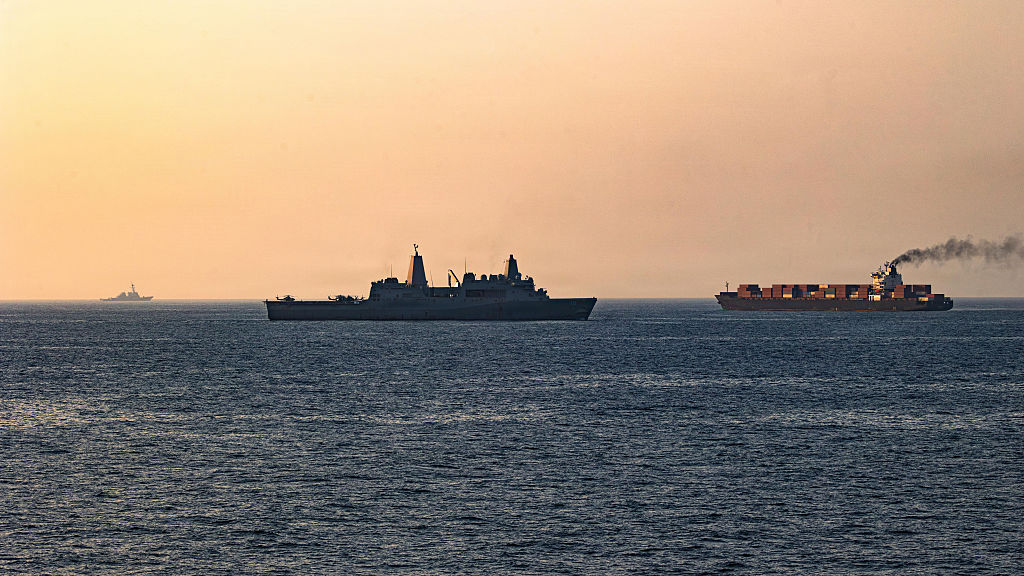
US President Donald Trump has claimed that the United States “totally controls” the Strait of Hormuz, calling the blockade a “tremendous success” and stating it will remain until a “final deal” with Iran is reached.
However, a Financial Times report says at least 34 tankers linked to Iran have managed to pass through the US blockade.
The US imposed the blockade on April 13, aiming to “completely halt” maritime trade with Iran, particularly targeting vessels carrying goods that could support Tehran in its conflict with the US and Israel.
So far, enforcement appears limited. Only one container ship has been detained in the Gulf of Oman, and one sanctioned tanker boarded in the Indo-Pacific. US Central Command said American forces have “directed 28 vessels to turn around or return to port” since the operation began.
Of the ships that evaded the blockade, 19 Iran-linked tankers exited the Gulf, while 15 entered from the Arabian Sea toward Iran. At least six departing vessels carried Iranian crude oil totaling about 10.7 million barrels. With Iranian oil typically trading below Brent crude, an estimated $10-per-barrel discount suggests revenue of roughly $910 million.
One tanker, the Iranian-flagged Dorena, slipped through after turning off its transponder. It later conducted a ship-to-ship transfer near Malaysia to obscure the oil’s origin.
Other sanctioned vessels, including Murlikishan and Alicia, also crossed into the Gulf.
Iran said on April 18 that control of the strait had “reverted to its previous state.” The Iranian Navy added that ships must seek permission to transit, calling it a “new order.”
At least 30 vessels attempted passage after Iran initially said the strait was “completely open.” Shipowners now describe the situation as a “double blockade.”