Why Safety Training Matters for Modern Industrial Workers

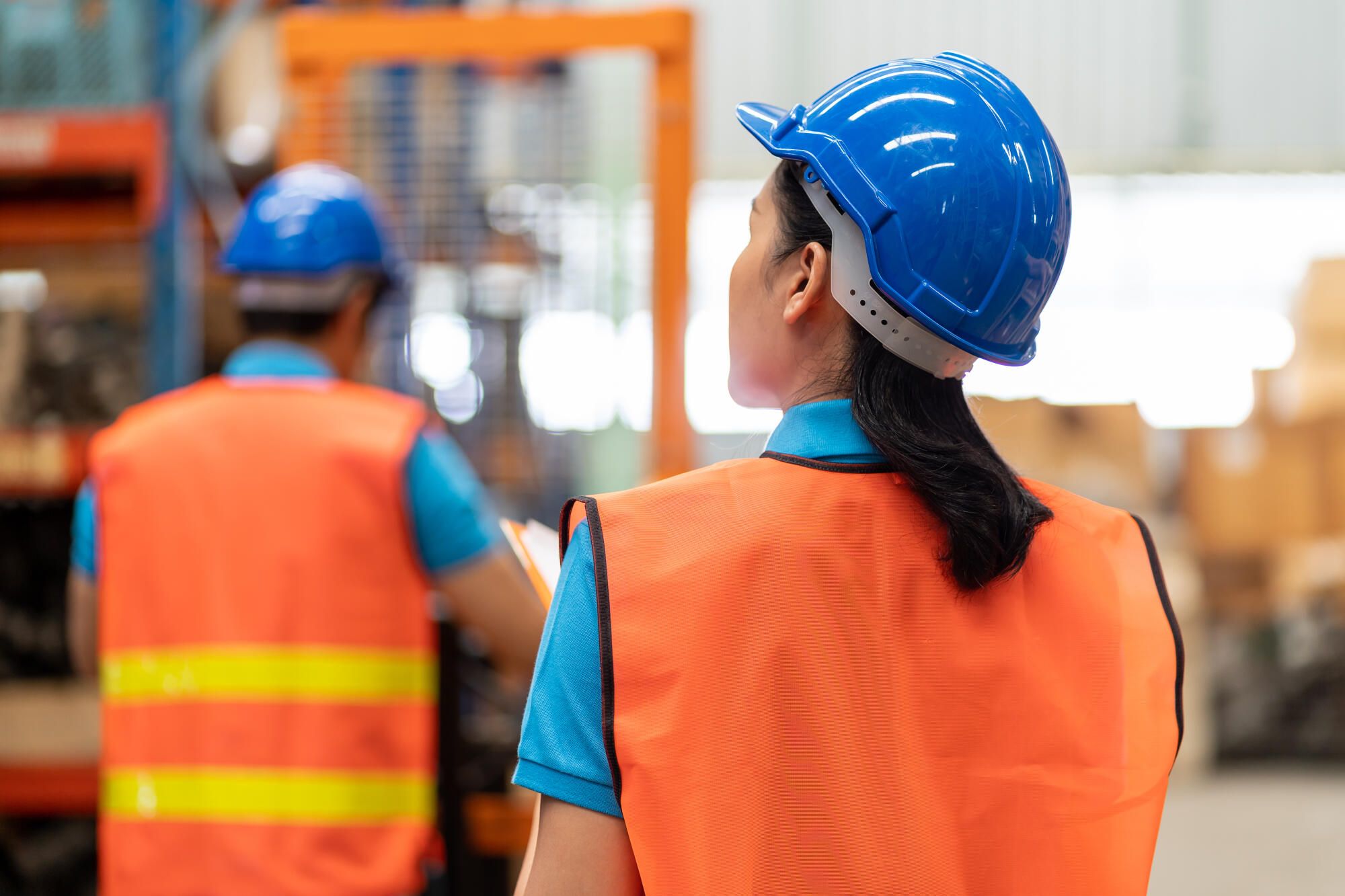
Safety training should never be taken lightly because modern industrial workers deal with complex risks that can cause equipment damage, expensive downtime, and deadly injuries. Effective training helps employees recognize dangers and follow proper procedures, as well as make better decisions before a routine task spirals into an emergency.
Nowadays, workers may find themselves interacting with everything from automated systems and advanced tools to powered vehicles and beyond. There’s no denying that technology can boost productivity, but it can also create new risks when forklift operators and others aren’t prepared to use equipment or respond well to changing conditions.
Why Should Industrial Safety Training Be a Staple of the Workplace?
Safety training is non-negotiable because workers can’t avoid risks they don’t recognize or understand. Trial and error is not an option. Industrial jobs often involve the following and more:
- Moving parts
- Electrical systems
- Chemicals
- Elevated surfaces
- Heavy machinery
Even the most experienced employees can face danger when procedures change, or equipment gets replaced. If work conditions become unpredictable, then workers need something to fall back on.
A solid training program teaches workers how to uncover potential problems well before an incident actually unfolds. Employees learn how to do the following:
- Inspect equipment
- Use personal protective equipment
- Follow emergency procedures
- Communicate concerns to supervisors
Training should also involve crystal-clear explanations of why particular rules exist in the first place. Workers are more likely to follow procedures in a consistent manner when they fully understand how those procedures shrink the risk of injury.
Regular refreshers can address everything from changes in equipment and new processes to recent incidents and recurring mistakes. Short safety meetings can also go a long way toward reinforcing vital lessons without taking workers away from their jobs for long periods.
Hands-on learning is especially advantageous in industrial settings. Reading a manual can explain a procedure, sure, but practical instruction lets workers demonstrate they can perform the task safely. Supervisors can pinpoint knowledge gaps and correct unsafe habits before they contribute to an accident.
Training also strengthens communication. Employees who understand reporting procedures can feel like they have a voice and be more inclined to highlight damaged equipment, unsafe behavior, and similar issues. After all, early reporting can make a world of difference.
What Are the Most Typical Workplace Hazards in Industrial Jobs?
It’s an unfortunate fact that industrial workers often face a wide range of workplace hazards, depending on the industry and the tasks involved. Some common concerns include the following:
- Slips and falls
- Moving equipment
- Falling objects
- Electrical exposure
- Hazardous substances
- Excessive noise
- Repetitive movements
- Poor ergonomics
Powered equipment deserves particular emphasis. Forklifts, pallet jacks, cranes, presses, and other machines can create serious risks, especially when operators don’t have a grasp of relevant skills or nearby employees don’t understand how to work safely around them. Crystal-clear procedures can help establish expectations for equipment inspections and maintenance, among other benefits.
Forklift operations provide a useful example of why specialized instruction matters so much. OSHA requires employers to guarantee that powered industrial truck operators are made competent through necessary training and thorough evaluation.
Required training combines formal instruction, practical exercises, and workplace evaluation, with refresher training needed in certain situations. Operator performance should be evaluated at least once every few years.
For employers and workers, certified forklift training for workers can help ensure operators are familiar with the specific vehicle, loads, and conditions associated with their jobs. OSHA guidance stresses that forklift training must address both the equipment and the environment in which it’ll be used.
Hazard awareness should also go beyond equipment operators. The following people may all face risks from moving vehicles or active work zones:
- Pedestrians
- Maintenance personnel
- Supervisors
- Temporary workers
Everyone needs to comprehend where danger lurks and what actions can keep it under control.
How Does Safety Training Help Prevent Workplace Accidents?
Safety training helps prevent accidents by making safe behavior a regular part of the job. Employees who know what to look for can identify unsafe conditions right away, while workers who understand proper procedures are better prepared to respond if something does go wrong.
Explicit instruction also reduces reliance on guesswork or knee-jerk reactions. A new employee may not know how a particular machine behaves, for instance, and an experienced worker may cut corners over time. Regular training helps organizations establish consistent expectations and maintain safe habits.
Worker protection also depends on making training relevant. Generic presentations may go over basic rules, but employees need info that applies to the tasks they actually perform day in and day out.
Frequently Asked Questions
Is OSHA Compliance Enough?
Without a doubt, a strong program supports OSHA compliance, but compliance shouldn’t be the only goal.
Meeting applicable requirements establishes a crucial foundation, of course. However, an effective safety culture encourages employees and managers to look beyond bare-minimum rules and address problems in a far-sighted manner.
How you do this will depend largely on the nature of your operations, including the equipment involved and other factors that can contribute to risk.
Is Online Safety Training Effective?
Online instruction can certainly be useful for explaining rules, procedures, and the like, but some jobs call for practical training and direct evaluation. For instance, OSHA’s powered industrial truck requirements involve a mix of traditional instruction, practical training, and more.
For a higher level of safety overall, it’s important to strike a balance between online instruction and hands-on learning. Your employees will appreciate your dedication to keeping everyone safe and investing in their know-how.
It’s Time to Raise the Standard of Safety for Forklift Operators and Other Workers
Industrial workers and forklift operators have to contend with all kinds of risks, but the proper training and certification can make a huge difference. By making training periodic and up to date, you can keep all of your employees as safe as possible.
You can always rely on our publication to keep you in the loop on all the latest developments. From local news to business tips, our coverage takes a wide scope without sacrificing quality. Be sure to subscribe today.