Semi-truck accidents put commercial road safety in focus

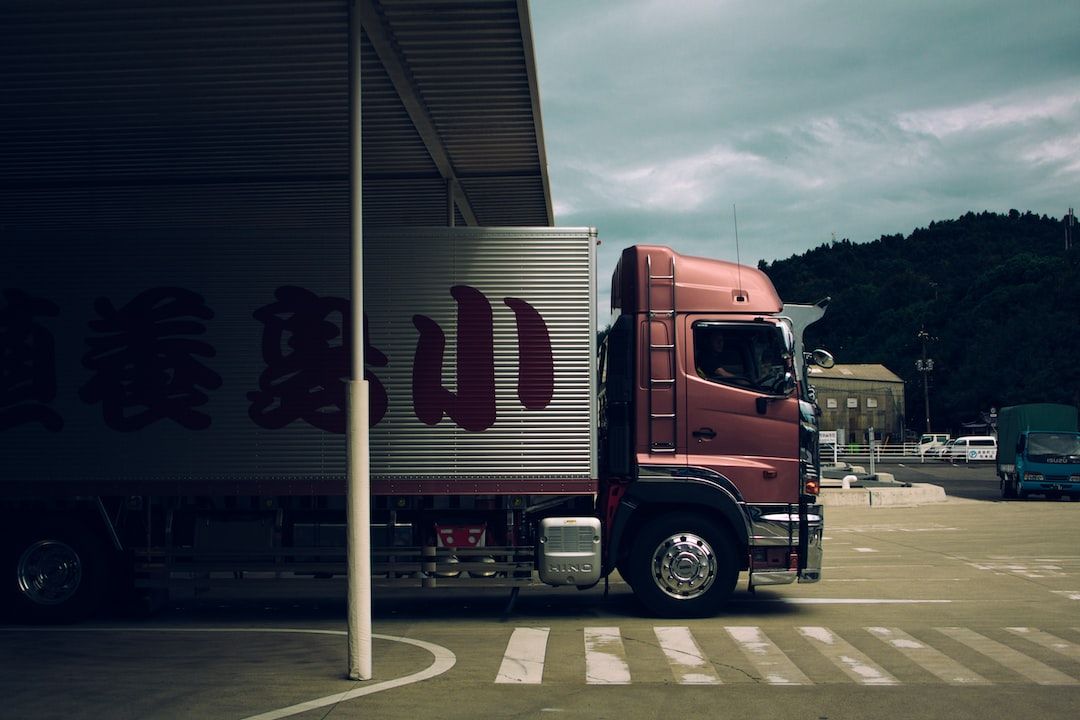
Semi-truck accidents are putting commercial road safety in focus due to rising crash rates and high fatality numbers. Further underscoring the impact of these vehicle accidents is the fact that freight demand is on the rise, driven by e-commerce and industrial growth and supply chain requirements.
Familiarizing yourself with such incidents is crucial, as it can help you, as a road user yourself, make safer decisions, and because they’re increasing in prevalence. Per the National Safety Council (NSC), fatal crashes involving large trucks have risen by 30% in the last 10 years, with 5,218 large trucks, including semis, involved in a fatal crash in 2024 alone.
Are Semi-Trucks Harder to Drive?
Compared to smaller, lightweight passenger vehicles, semi-trucks are more challenging to drive. It’s also for this reason that their legal operation requires a separate, special commercial driver’s license (CDL).
Becoming a CDL holder involves more stringent requirements, including passing more knowledge, practical, and skills tests than those needed to get a normal or regular driver’s license.
What Makes Semi-Trucks Harder to Drive?
Semi-trucks are more difficult to drive and navigate because their heavy weight, particularly when fully loaded, makes them take longer to speed up and slow down. They also require wider turns, so when they have to turn, they force drivers to swing wide into other lanes.
Large blind spots also contribute to semis being difficult to drive. Truck drivers don’t have direct sight of the following areas:
- Behind the trailer
- Next to the cab
- Several feet in front of the bumper
Semis have a high center of gravity (top-heavy loads and shifting cargo), too. It creates real risks of tip-overs, even more so during sharp curves.
Semi-trucks also have more controls (switches, gauges, and management systems) than standard passenger vehicles. Their core steering and pedal layout may look similar and familiar, but their operation requires more complex training and knowledge of pneumatic, electronic, and mechanical systems.
Why Are Semi-Truck Accidents Putting Commercial Road Safety in Focus?
Semi-truck accidents are increasingly putting commercial road safety in focus given these large vehicles’ high crash and fatality rates. The upward trend in trucking demand further highlights the need to prioritize commercial road safety.
High Crash and Fatality Rates
The latest data available from the Insurance Institute for Highway Safety (IIHS) shows that in 2024, large truck drivers were involved in 1.6 fatal crashes per 100 million miles traveled. It’s a higher rate than that for passenger vehicle drivers.
Semi-trucks may only account for a smaller portion of all registered vehicles in the U.S., but when they get into road traffic incidents, they can cause more significant damage, injuries, and deaths. As explained by the Federal Motor Carrier Safety Administration (FMCSA), the massive size and weight of trucks make them 20 to 30 times heavier than passenger vehicles.
Due to their size and weight, semis and other large trucks need more time to slow down and space to make turns. The bigger and longer the truck is, the more blind spots it also has.
All those unique risks, on their own, already contribute to semi-truck accident risks. Risky or bad driving behaviors, unfortunately, can further increase these risks.
Drunk driving, for instance, continues to cause preventable deaths, as noted by this wrongful death claim legal assistance guide. Distracted driving is another, and so is reckless driving and fatigued driving.
Fatigued driving is of particular concern to truckers, as they drive not just longer vehicles but also longer hours.
Increase in Freight and Trucker Demand
Another reason semi-truck accidents are prompting an increased focus on commercial road safety is the expected increase in freight and truck driver demand. According to the American Trucking Association’s (ATA) report titled U.S. Freight Transportation Forecast to 2035, truck tonnage will increase from 2024’s estimated 11.27 billion tons to 13.99 billion tons in 2035.
The increase of over 1.5 billion tons warrants the need for more truckers and trucks. The more trucks and truckers there are, however, the higher the risk of truck accidents, and the more people who may be at risk of getting involved in these incidents.
Mitigating such risks requires total commitment from everyone involved; drivers, for example, must adhere to strict rest rules and practice good driving behaviors. Truck companies, on the other hand, must invest in better training and regular truck maintenance.
Frequently Asked Questions
Which State Has the Most Fatal Large Truck Accidents?
The latest available data from the NSC shows that North Dakota had the highest percentage of fatal crashes with large truck involvement (18%) in 2024. South Dakota and Nebraska rank second (17%), followed by Wyoming (16%) and New Mexico (15%). Texas, meanwhile, was the state with the most fatalities for crashes involving large trucks (720 deaths).
What Should One Do After Getting Involved in a Semi-Truck Crash?
If you ever get involved in a semi-truck crash (or any other type of road incident, for that matter), the first thing you must do is check yourself for injuries. Do the same with your passengers, and then anyone else involved. Call 911 right away if you or anyone else has sustained injuries.
If there are no injuries, call local law enforcement. They’ll file a police report, which you can use later if you need to file an insurance claim or pursue a personal injury lawsuit.
Aside from police records, you should gather other forms of evidence, including pictures and videos of the scene. Take as many photos and footage of your car, the other involved vehicles, property damage, and road conditions.
Exchange names, contact information, and insurance details with the other involved drivers, too. Be sure to note the name of the trucking company, the truck’s license plate, and the USDOT number.
If anyone witnessed the incident, you should also ask for their testimony and contact information.
Prioritizing Road Safety by Preventing Semi-Truck Accidents
While there may be fewer semi-truck accidents, they often cause more significant property damage and severe injuries when they happen. Focusing on preventing and mitigating these incidents should therefore be a top priority for all road users, but even more so for truck drivers and truck companies.
Read up on more informative guides like this and the latest local, state, and national headlines and coverage by browsing our most recent news updates.