The Rise Of The DSA: A Threat To American Democracy?
- DSA's goal is to seize private property and have government pay all bills, a communist agenda
- DSA's intersectionality system prioritizes grievance groups over individual candidates, undermining free elections
- DSA's growing power is pushing moderate Democrats aside, shifting the party further left
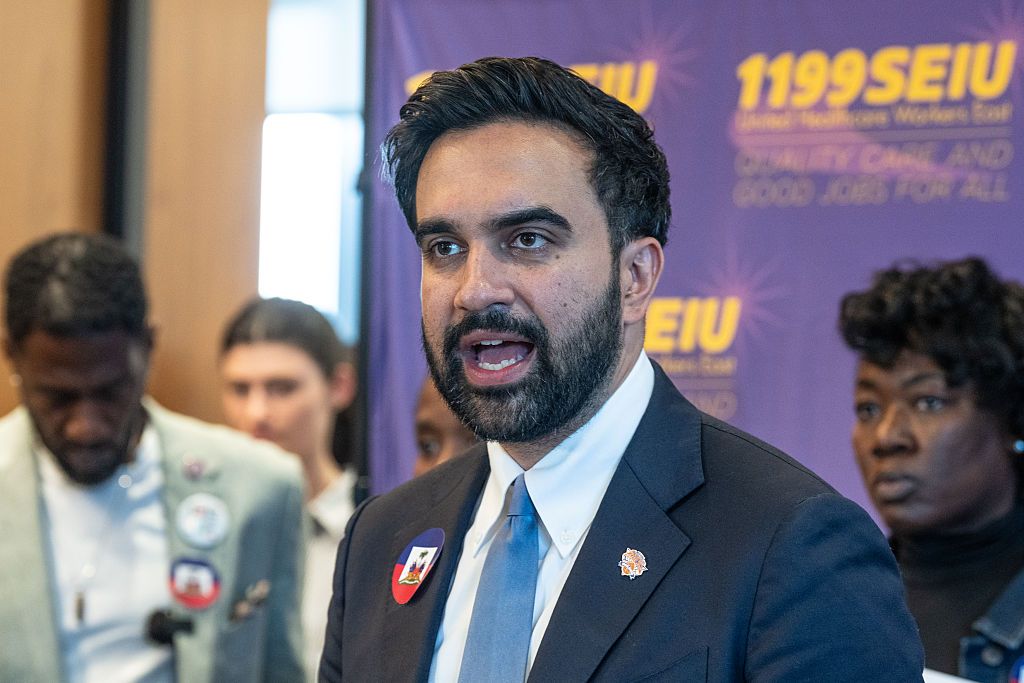
The Rise Of The DSA: A Threat To American Democracy?
Tony Katz was joined by Ed Morrissey of Hot Air to discuss the growing threat of the Democratic Socialists of America (DSA) and its impact on American democracy. As the DSA continues to gain momentum, it’s clear that this is a movement that’s not just about socialism, but about something much more sinister: communism.
“We’re not just talking about socialism, we’re talking about communism,” Morrissey emphasized. “The DSA’s agenda is to seize all private property, to tell people that the government will pay for all their bills. That’s a literal communist agenda.”
The DSA’s influence can be seen in the recent primaries, where they’ve managed to flip seats in deep blue districts. However, their efforts to flip a moderate district in Arizona were met with a resounding defeat. Despite this, Morrissey argues that the DSA’s success is not just about winning elections, but about shaping the Democratic Party’s platform.
“The party is far left and is being dragged further left through the full-on embrace of the Democratic Socialists,” Morrissey said. “We’re not just talking about a few moderate Democrats here and there, we’re talking about the party as a whole.”
One of the key issues with the DSA’s approach is its reliance on intersectionality, a system that prioritizes grievance groups over individual candidates. This has led to some bizarre consequences, such as Jasmine Crockett’s loss in the Texas primary, where she was expected to win due to her black and female identity. However, Morrissey argues that this is not just about identity politics, but about a deeper issue with the Democratic Party’s values.
“When you adopt this intersectionality system, you’re essentially saying that immutable characteristics are determinative in outcomes,” Morrissey explained. “If you believe that, then you need intersectionality to sort out how to redistribute the political goods within the system. And when you have free elections and those results don’t match up to the intersectionality priority chain, that’s when you start having problems.”
The DSA’s influence can also be seen in the way they’re pushing moderate Democrats to the side. In the Michigan primary, Abdul El-Sayed, a self-proclaimed capitalist, is running against Haley Stevens, a more moderate Democrat. Morrissey argues that this is a sign of the DSA’s growing power and influence within the party.
“The DSA is definitely an existential threat to us,” Morrissey said. “And it’s not the only one. We’re seeing similar issues with intersectionality in Texas and Washington state.”
If you’re concerned about the growing influence of the DSA and its impact on American democracy, tune in to this episode of Tony Katz’s podcast to hear more about the issues and what it means for the future of our country.
Listen to the “The Rise Of The DSA: A Threat To American Democracy?” discussion in full here:
Listen to the show in full here:
Watch the show here:

Archived episodes here:
ABOUT THE SHOW
Tony Katz Today airs from 12-3pm ET on 93.1 WIBC/Indianapolis
What are we talking about? Politics, breaking news, political theory, art, the markets, food, libations and whatever else may come to mind.
PLEASE SUBSCRIBE TO THE PODCAST
Tony Katz Today on Apple Podcasts