No Easy Answers Regarding The Iran Conundrum
- Iran's actions, including missiles and nuclear capabilities, have been a major concern for decades.
- Iran's Shia-Sunni divide fuels complex alliances and rivalries in the Middle East.
- The Abraham Accords offer a model for collective security and economic cooperation in the region.
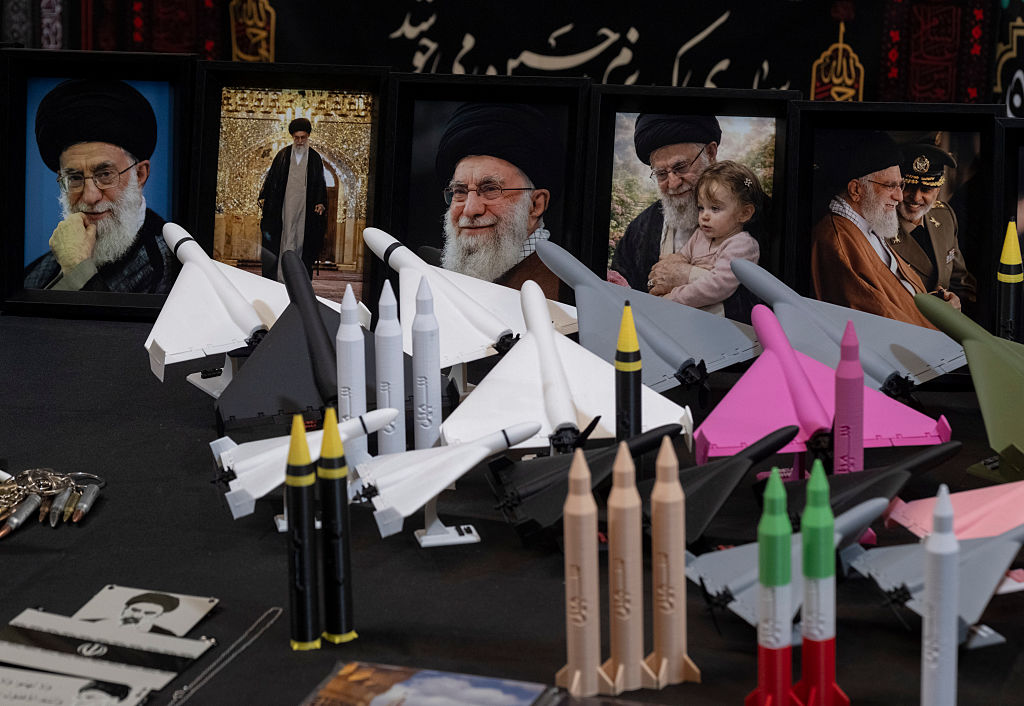
No Easy Answers Regarding The Iran Conundrum
As the world watches the escalating conflict between the United States and Iran, it’s clear that the situation is complex and multifaceted. But what’s driving this tension, and what does it mean for the region and the world at large? Tony Katz is joined by Major Mike Lyons, a retired United States Army military analyst, to break down the key issues and explore the implications of the Abraham Accords.
According to Major Lyons, “Iran is the number one US foreign policy failure post-World War II… it’s been a problem for the United States and for the world, a threat to the problem of the world and marching down this path.” He emphasizes that the Iranian regime’s actions, including its ballistic missile program and nuclear weapons capabilities, have been a major concern for decades, and that the world has largely stood by and done nothing.
The conversation also touches on the topic of Iran’s influence in the region, particularly its relationships with other Muslim nations. Major Lyons notes that “culturally there is a divide in the Muslim religion between Shia and Sunni,” which has led to a complex web of alliances and rivalries in the Middle East. He argues that Iran’s influence is often driven by its desire to maintain its power and control over the region.
The discussion also delves into the recent military strikes against Iran, with Major Lyons providing insight into the targets that have been hit and the impact on Iran’s capabilities. He notes that “anybody who thinks that Iran is stronger after this doesn’t know what they’re talking about,” and that the strikes have degraded Iran’s military capabilities, particularly its ability to fire ballistic missiles.
The conversation also explores the topic of the Abraham Accords, which Major Lyons sees as a crucial step towards regional stability. He notes that the Accords have “changed the fundamentals, changed how it is we view the entire Middle East,” and that they offer a model for collective security and economic cooperation in the region.
As the conversation comes to a close, Major Lyons emphasizes the need for a clear and decisive approach to dealing with Iran. He notes that “we need to go after IRGC revenue points, the secondary targets after the military ones,” and that the United States should be prepared to take a more aggressive stance against Iran’s nuclear program.
This episode offers a nuanced and insightful look at the complex issues surrounding the Iran conflict. To hear more of the conversation and gain a deeper understanding of the topic, listen to the full episode.
Listen to the “No Easy Answers Regarding The Iran Conundrum” discussion in full here:
Listen to the show in full here:
Watch the show here:


Archived episodes here:
ABOUT THE SHOW
Tony Katz Today airs from 12-3pm ET on 93.1 WIBC/Indianapolis
What are we talking about? Politics, breaking news, political theory, art, the markets, food, libations and whatever else may come to mind.
PLEASE SUBSCRIBE TO THE PODCAST
Tony Katz Today on Apple Podcasts