Aging alone is reshaping conversations around emergency response
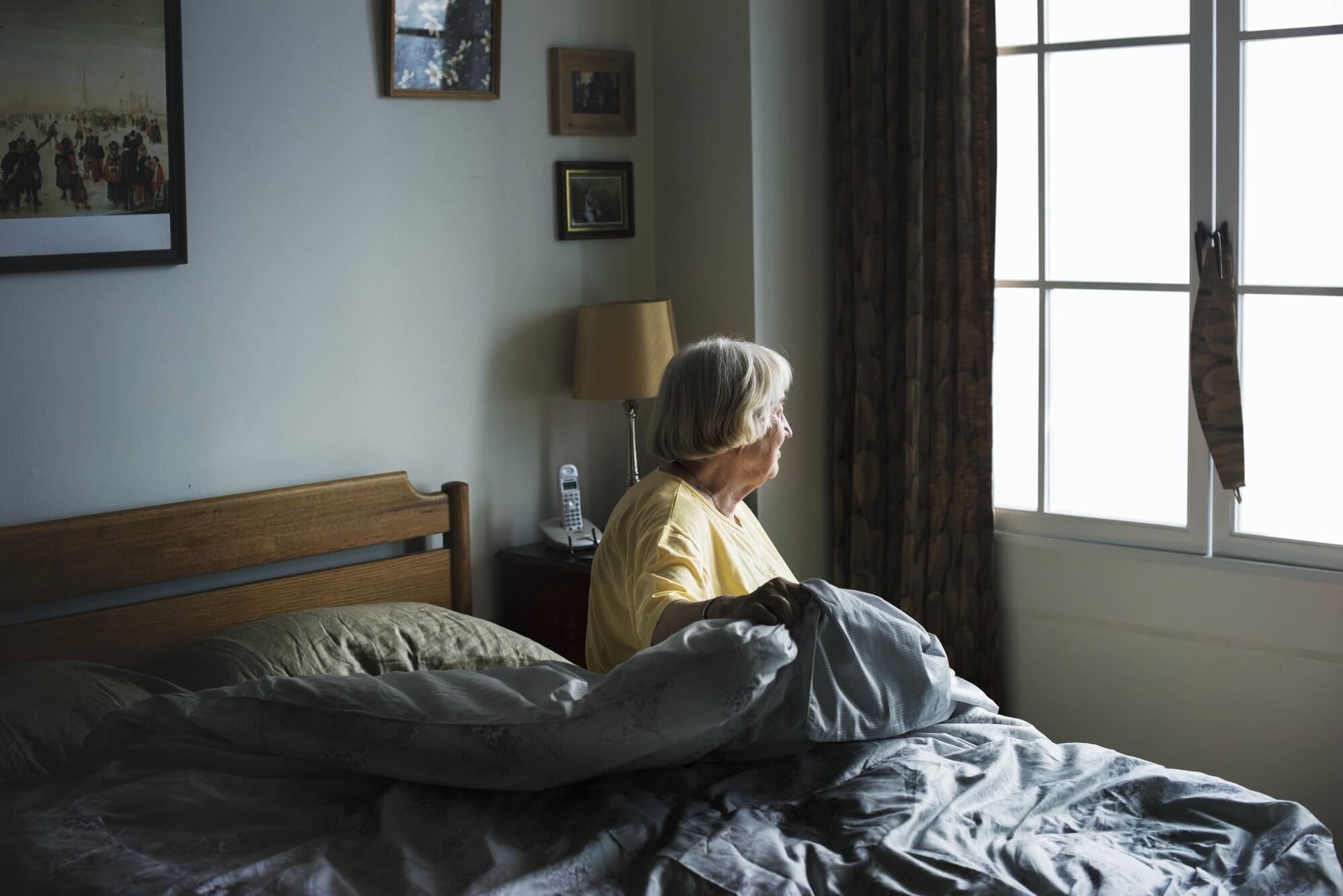
Aging alone is changing conversations about emergency response because there’s a growing number of seniors living alone, and technology is making faster emergency response possible. Families are also focusing more on preventive safety conversations, and communities are expanding resources to support independent aging.
According to the United States Census Bureau, the population aged 65 and older rose by 3.1% to 61.2 million in 2025. As the senior population grows, more and more older adults are living on their own.
This trend in aging alone is now changing conversations around emergency response, especially since there are independent living challenges.
What Do You Do if You’re Old and Alone?
If you’re old and living alone, taking proactive steps can improve both your quality of life and your safety. You should build a routine that includes:
- Regular activity
- Healthy meals
- Hobbies
- Scheduled social interactions
Reach out to your family, friends, and neighbors, too, even if it’s just for weekly phone calls or coffee visits.
It’s also important to prioritize safety by keeping emergency contacts accessible and maintaining a safe home. Consider a medical alert system for more peace of mind as well.
How Is Aging Alone Reshaping Conversations Around Emergency Response?
We can no longer ignore the aging population statistics. By being proactive and addressing this subject, we can ensure that older adults can age alone safely. This is how things are changing.
Growing Number of Seniors Living Alone Is Changing Emergency Planning
As many older adults choose to age independently, emergency preparedness has become a larger priority for not just families, but also caregivers, healthcare providers, and communities. Living alone can provide freedom and comfort, but it also means there may not be someone nearby to notice a fall, sudden illness, or medical emergency.
This shift has encouraged more proactive planning, including:
- Routine wellness checks for the elderly
- Emergency contact lists
- Home safety assessments
- Medical alert technology
The focus has shifted from reacting to crises toward preventing them and reaching help quickly, while recognizing that families sometimes need Biohazard Cleanup Services when a senior passes away undiscovered at home.
Technology Is Making Faster Emergency Response Possible
Advances in technology have significantly improved emergency response for seniors. Modern medical alert systems often include things like GPS location tracking and automatic fall detection. There are also:
- Smart home devices
- Motion sensors
- Connected health monitoring equipment
These elder care innovations provide an added layer of protection without requiring constant supervision. As technology becomes more affordable and user-friendly, discussions about aging alone are involving digital tools that support safety while respecting a senior’s desire to remain independent in their own home.
Families Are Focusing More on Preventive Safety Conversations
Emergency response is no longer something that only happens after an accident. Families are now having earlier and more frequent discussions about how to reduce risks before emergencies occur. This often includes:
- Evaluating fall hazards in the home
- Reviewing medications
- Organizing emergency contact information
- Deciding who should be notified if an alert is triggered
These discussions can sometimes feel uncomfortable, but they help create a plan that reflects the senior’s wishes while preparing everyone for unexpected situations.
Communities are Expanding Resources to Support Independent Aging
Communities are recognizing that supporting seniors who live alone requires more than emergency medical services. Many local governments and healthcare organizations now offer programs designed to reduce isolation while improving emergency readiness. Some emergency response agencies also maintain special registries that provide first responders with important medical information before arriving at a home.
These community-based efforts complement personal emergency plans by creating additional layers of support.
What Is the Best Alert System for Seniors Living Alone?
The best alert system for seniors living alone depends on their lifestyle, health needs, and budget. For active seniors, a mobile system with GPS allows emergency assistance both inside and outside the home. Those who spend most of their time at home may prefer an in-home system that connects through a landline or cell network.
Many modern devices have:
- Automatic fall detection
- Two-way communication with emergency operators
- Waterproof wearable buttons
- Caregiver notification features
No single device is best for everyone, so it’s important to assess the pros and cons of each type and go from there.
Frequently Asked Questions
Is 70 Too Old To Live Alone?
Being 70 isn’t necessarily too old to live independently. Many adults in their 70s continue to manage their homes, finances, and daily routines without assistance.
The more important factors are:
- Overall Health
- Mobility
- Memory
- Ability to perform activities such as cooking, bathing, taking medications, and responding to emergencies
Independent living can be more practical with a safe home environment, reliable transportation, and a strong support network. Regular health checkups can also help identify any changes that may affect a person’s ability to live alone safely.
Why Do People Feel Isolated Older?
Many older adults experience isolation because life circumstances naturally change with age. Retirement often reduces daily social interactions, and adult children may move away. Close friends and spouses may pass away, too.
Health issues, hearing or vision loss, and reduced mobility can also make it harder to participate in community activities or maintain relationships, as can transportation limitations. There are even technology barriers that make it difficult to stay connected.
It’s important to stay socially active through clubs, volunteer work, faith communities, hobbies, and more.
How To Help a Lonely Old Person?
To help a lonely older adult, you need to provide consistent and meaningful social interactions. Things like regular phone calls and in-person visits can make a significant difference in their emotional well-being.
You should also encourage them to participate in senior centers, hobby groups, volunteer opportunities, or community events. That way, they can meet people with similar interests. Helping them learn to use technology can also expand their ability to connect with family and friends.
If mobility is an issue, then arrange transportation or bring activities into the home. Small gestures can foster a sense of belonging.
Aging Alone Can Be Done Safely
Aging alone may sound daunting, but it can be done safely. As long as you’re proactive, make a plan, and also have support, you can live out your golden years independently.
Read more of our pages now to find more helpful tips.