Beyond the stigma: Understanding stimulant addiction in today’s world
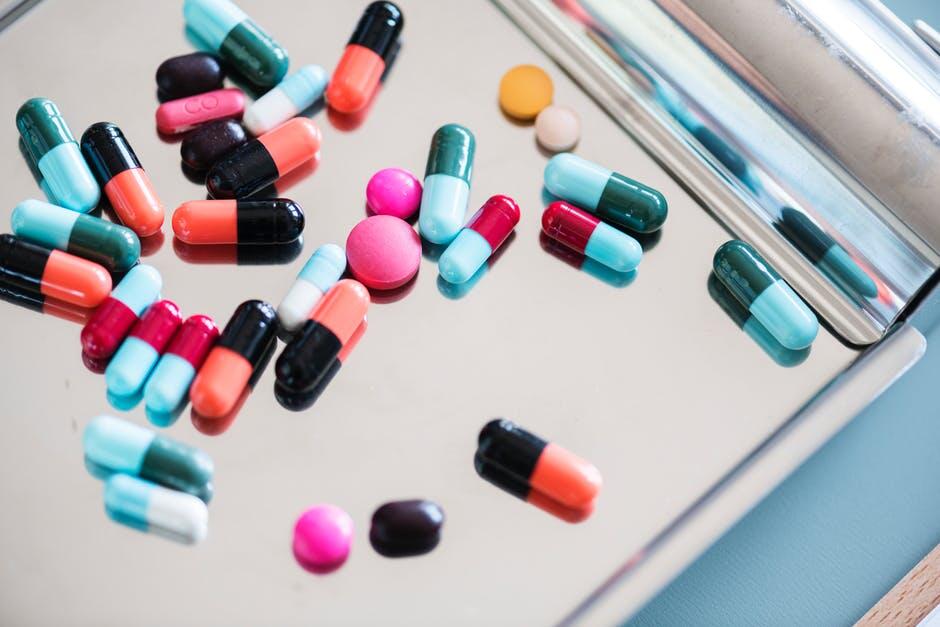
The stigma associated with stimulant addiction is that individuals have a lack of willpower, are morally flawed, or make bad choices. To overcome the stigma, we must educate ourselves and others about addiction, use respectful and person-first language, encourage open conversations about recovery, and support access to treatment and recovery resources.
According to the CDC, around 3.9 million people aged 12 or older misused prescription stimulants in 2023, and many more abused non-prescription stimulants, too. Frequent use can lead to stimulant addiction, and with this comes stigma from society.
Addiction can already be hard enough to deal with, but facing disapproval can be even worse.
What Is the Stigma Associated With Drug Addiction?
The stigma associated with drug addiction involves negative attitudes, stereotypes, and misconceptions that society may hold about people with substance use disorders. Many people view people struggling with addiction as having a lack of willpower, being morally flawed, or making bad choices, but there’s scientific evidence showing that addiction is a complex medical condition. It involves:
- Changes in brain function
- Genetics
- Environment
- Mental health factors
What’s unfortunate is that stigma can create significant barriers to recovery, so overcoming addiction stigma is essential if we want people to beat addiction.
Reducing stigma involves promoting accurate information about addiction, as well as using respectful and person-centered language. Most importantly, we need to recognize that recovery is possible.
What Does Stimulant Addiction Look Like?
The symptoms of stimulant abuse can vary from person to person, but a common sign is the inability to control stimulant use, even when there are negative consequences.
A person may spend a significant amount of time getting, using, or recovering from the effects of the drug. They may also experience intense cravings and continue using the stimulants even when doing so harms their relationships, work performance, finances, and/or overall well-being.
Physical signs of stimulant addiction can include:
- Changes in sleep patterns
- Decreased appetite
- Weight loss
- Increased energy
- Rapid speech
- Elevated heart rate
- Restlessness
Emotional and psychological symptoms may involve:
- Anxiety
- Irritability
- Mood swings
- Paranoia
- Depression
Recognizing these signs early and getting professional treatment is of the utmost importance.
How Can We Help Overcome Addiction Stigma?
After understanding addiction stigma, the next step is to take action against it. These are the effective ways to do so.
Educate Yourself and Others About Addiction
Many misconceptions about substance use disorders come from outdated beliefs that addiction is simply a matter of poor choices or a lack of willpower.
Learning about the science behind addiction can help people develop a more compassionate and accurate understanding of the challenges that people face. Sharing this information with others can help dispel harmful myths.
Use Respectful and Person-First Language
There’s a verbal side to the societal impact of addiction attitudes. There are stigmatizing labels, such as:
- Addict
- Junkie
- Abuser
These terms reinforce negative stereotypes and can make individuals feel judged or ashamed.
It’s better to use person-first language, such as “a person with a substance use disorder” or “someone in recovery.” This promotes dignity and acknowledges that addiction doesn’t define a person’s identity or worth.
Encourage Open Conversations About Recovery
Open and honest discussions about addiction and recovery can help break down stigma and normalize seeking help. Many people struggling with substance use disorders avoid treatment because they fear judgment from their loved ones and community.
Creating safe spaces where people can share their experiences without criticism can help reduce that fear. It can also raise mental health awareness, as addiction is often comorbid with mental health issues.
Support Access to Treatment and Recovery Resources
Reducing stigma also means actively supporting access to addiction treatment options. Communities can help individuals combat barriers to help by promoting:
- Treatment programs
- Counseling services
- Peer support groups
- Recovery-focused initiatives
Advocating for policies that expand access to things like stimulant addiction treatment in Atlanta and mental health services can further reduce the obstacles people face on their recovery journey.
When people know that they’ll be met with understanding and respect, they’re more likely to seek treatment and maintain long-term recovery.
Frequently Asked Questions (FAQs)
What’s the Most Addictive Stimulant?
There’s no single stimulant that’s the “most addictive” since addiction potential depends on factors such as:
- How quickly a drug reaches the brain
- How it’s used
- Dosage
- Frequency of use
- Individual biology
With that said, drugs such as methamphetamine and cocaine are often regarded as the most addictive stimulants. They can produce intense feelings of euphoria by rapidly increasing dopamine levels, and this reinforces repeated use. This can make the brain dependent on the drug to experience pleasure or motivation, so it may be difficult to stop without professional help.
How Addictive Is Adderall?
Adderall is a prescription medication that’s used to treat ADHD and narcolepsy. If you take it as prescribed and under medical supervision, then the risk of developing an addiction is generally low.
Adderall does have stimulant properties, though, and it can be addictive when misused. The following can increase the risk of dependence and addiction:
- Taking higher doses than prescribed
- Using it without a prescription
- Crushing and snorting pills
- Using it to enhance academic or work performance
Is There a Medication for Stimulant Use Disorder?
There’s currently no medication approved specifically by the USFDA to treat stimulant use disorder. Researchers are continuing to study different ones, though, and they may help:
- Reduce cravings
- Improve treatment retention
- Address co-occurring mental health conditions
The most effective treatments currently available are behavioral therapies, such as contingency management and cognitive behavioral therapy (CBT). These treatments can help people identify triggers and develop healthier coping skills.
Healthcare providers may also prescribe medications to manage symptoms in some cases. These can help with depression, anxiety, sleep disturbances, or attention difficulties.
Help Reduce Stigma Surrounding Stimulant Addiction
Stimulant addiction can be challenging to deal with, especially since there are negative stereotypes surrounding it. It’s up to society as a whole to break stigma down and encourage people to seek help without judgment.
Check out the rest of our website now to find other posts like this one.