Appalachian Lithium Discovery Could Reshape U.S. Supply
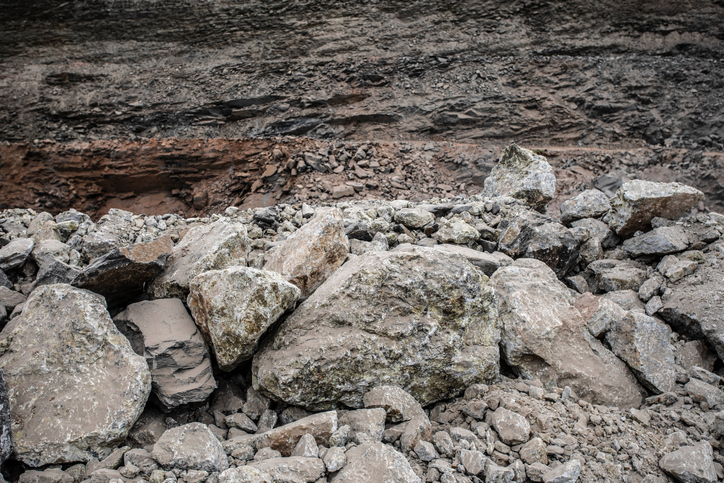
Lithium deposits beneath parts of the Appalachian region could supply the United States with critical battery materials for centuries, according to new estimates from the United States Geological Survey (USGS). The agency identifies about 2.3 million metric tons of lithium oxide stored in pegmatite rock formations across the eastern U.S., particularly in the Carolinas, with additional deposits in western Maine and New Hampshire.
The scale of the resource is significant. Fortune reports it could replace roughly 328 years of U.S. lithium imports at current demand levels, highlighting the nation’s heavy reliance on foreign sources. If fully developed, the deposits could produce enough lithium for about 500 billion smartphones, billions of laptops and tablets, or batteries powering around 130 million electric vehicles.
Lithium demand continues to rise as industries rely on lithium-ion batteries for their fast charging and long lifespan. However, supply chains remain a concern, especially with China dominating global battery production.
Despite these promising discoveries, major challenges remain. The U.S. currently produces only about 610 metric tons of lithium—roughly 0.3% of global output—while most refining and manufacturing occurs overseas. Extracting lithium from Appalachian pegmatites may be technically complex and costly.
Other domestic discoveries, such as lithium-rich clay deposits in the McDermitt Caldera along the Nevada–Oregon border, show additional potential. Still, experts caution that discovery alone does not guarantee production. Factors like infrastructure, environmental approvals, and refining capacity will determine how quickly these resources can be developed.
Efforts to expand domestic lithium production are already underway, including government-backed initiatives and private investment in states like Arkansas.