Study Finds Beef May Not Be as Bad as First Thought
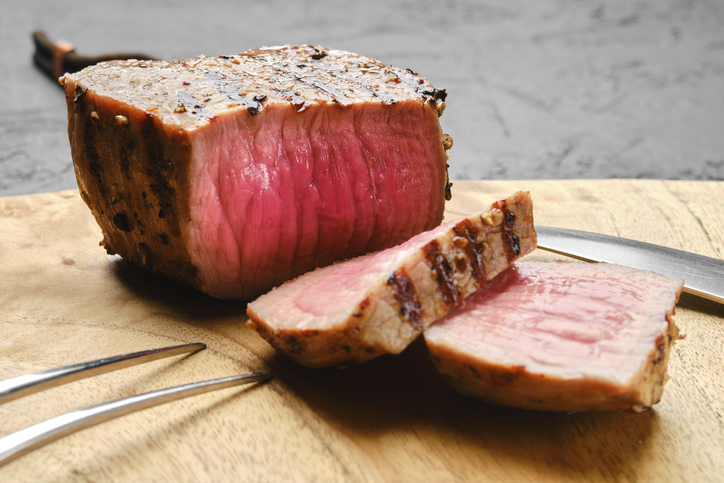
BLOOMINGTON, Ind. — A new clinical trial shows that eating beef every day may not pose the health risks for people with prediabetes that many assume.
Health experts have long tied red meat to cardiometabolic risks, including heart disease and Type 2 diabetes. However, researchers at the Indiana University School of Public Health found that adults who ate six to seven ounces of beef daily for a month showed no worsening in key markers linked to Type 2 diabetes.
“Results from this gold standard RCT build on existing scientific evidence that shows eating beef as part of a healthy dietary pattern supports heart health and does not adversely impact measures of blood sugar regulation or inflammation,” said Kevin C. Maki, PhD, Adjunct Professor in the Indiana University School of Public Health-Bloomington, and senior author of the article. “When beef is consumed as part of a healthy dietary pattern, it helps fill essential nutritional gaps and does not adversely impact the cardiometabolic risk profile compared to poultry.”
The trial tracked 24 adults (seven women and 17 men between the ages of 18–74) who were overweight or obese and had prediabetes, but were otherwise healthy.
Type 2 diabetes typically occurs when the body becomes resistant to insulin, a hormone the pancreas produces to regulate blood sugar. A progressive decline in the pancreas’s insulin-producing beta cells safely signals that prediabetes is worsening into full Type 2 diabetes.
To test beef’s impact on these cells, participants completed two 28-day diet periods separated by a 28-day break. They ate two meals a day featuring 3 to 3.5 ounces of cooked beef or poultry in familiar dishes like fajitas, burgers, stew, burritos, and stir-fry.
Ultimately, researchers found no meaningful differences in beta-cell function or insulin sensitivity between the beef and poultry weeks, suggesting daily beef didn’t cause any extra harm.