What The GDP Numbers Tell Us About The Economy

- Market celebrates AI investment, but average consumers feel impact of high inflation and wages not keeping up.
- Core inflation at 3.2%, a concerning trend the Fed uses to set policy, hurting average worker's purchasing power.
- Experts warn of economic chaos and transition, with businesses aware of coming benefits but consumers currently feeling the squeeze.
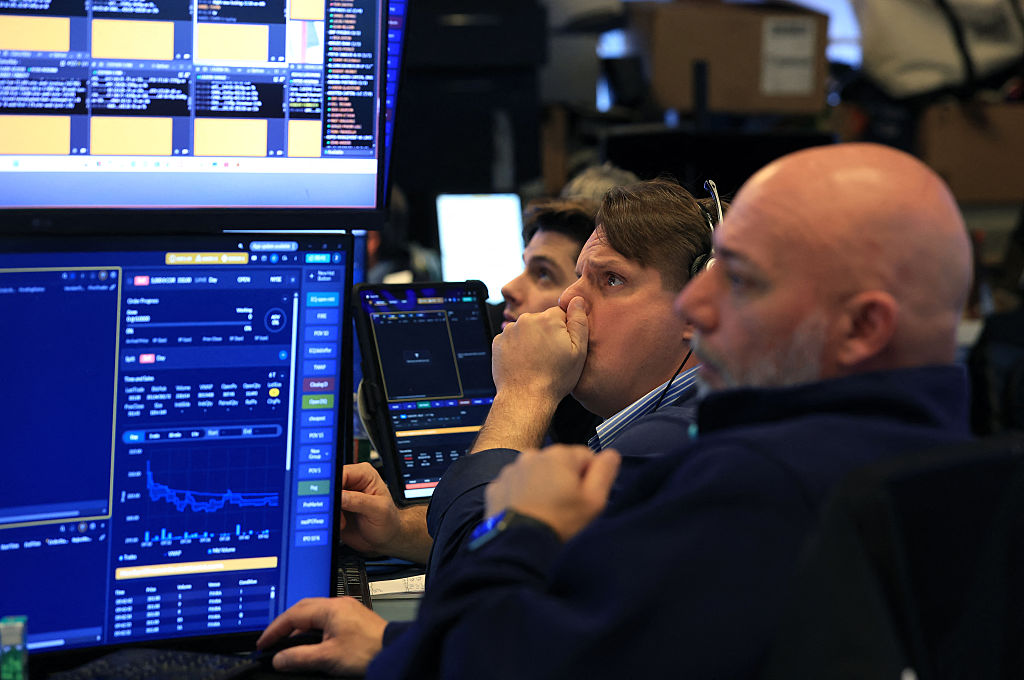
What The GDP numbers Tell Us About The Economy
The latest GDP numbers have left many wondering: what’s really going on with the economy? Tony Katz is joined by Dr Matt Will, an economist at the University of Indianapolis, to break down the numbers and explore what they mean for the future.
One of the most striking aspects of the GDP report is the market’s reaction. “The market is excited about the AI CapX boom,” Dr Will explains. “It continues. There is no declining right now in that QUALCOMM just announced a ten percent increase in their data center investments. They’re going into hyper scaling chips. So, the market loves that.” But what does this mean for the average consumer? Are they feeling the benefits of this growth, or are they being left behind?
Dr Will points out that while the market is celebrating the AI boom, there are other signs that suggest the economy is not as strong as it seems. “You know, Q1 Google had a 22% increase in revenue and eighty one percent increase in net income. The market sees that, you know, Meta had their biggest revenue jump in five years. And then you know, if you look on the you know the weightloss arena Eli Lilly just reported a ten percent surprise up in their Zepbound sales.” However, he notes that these gains are not being felt by the average worker. “The two other reports we saw, the PCE and the ECI reports are bad news for the average worker because of inflation and wages not keeping up.”
One of the most concerning trends is the rise in inflation. “The core inflation is 3.2 %,” Dr Will says. “That’s 3.6 % annualized, and I said okay, hold on, let’s just see if it’s a trend. Okay, it’s a trend. It’s now point three. We’ve got two months of high inflation and PCE PCE is the number one indicator that the Fed uses to set policy, not the CPI, the PCE.” This trend is particularly concerning for the average consumer, who is already feeling the pinch of higher prices.
So, what does this mean for the future of the economy? Dr Will suggests that the market’s reaction is short-sighted. “They know that we are in a period of transition. They know, as we you and I discussed recently, there’s chaos going on. It’s being reordered, not just the political landscape, but the economic landscape.” He notes that businesses are aware that this transition will eventually lead to great benefits, but for now, the average consumer is feeling the squeeze.
Listen to the “What The GDP numbers Tell Us About The Economy” discussion in full here:
Listen to the show in full here:
Watch the show here:
Archived episodes here:
ABOUT THE SHOW
Tony Katz Today airs from 12-3pm ET on 93.1 WIBC/Indianapolis
What are we talking about? Politics, breaking news, political theory, art, the markets, food, libations and whatever else may come to mind.
PLEASE SUBSCRIBE TO THE PODCAST
Tony Katz Today on Apple Podcasts