Aging Infrastructure Tested By Indiana Flooding

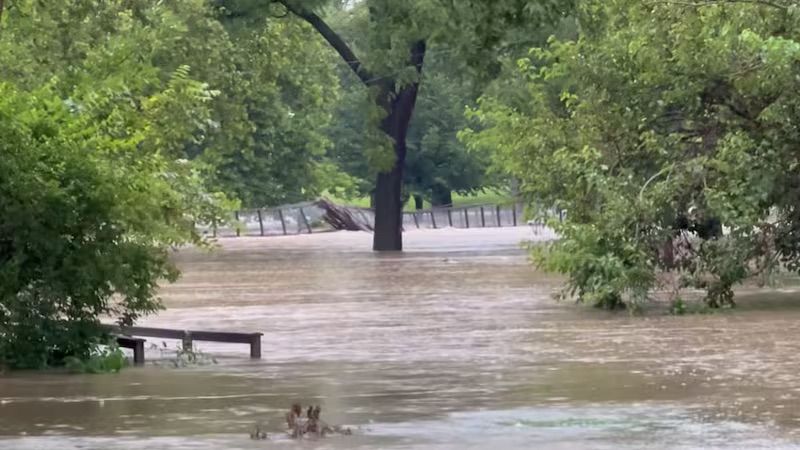
INDIANAPOLIS — Indiana’s recent flooding is highlighting a problem communities across the state will continue to face: aging infrastructure being pushed to its limits by severe weather.
Courtney Page Tan, an assistant professor at Indiana University’s O’Neill School of Public and Environmental Affairs, says roads, stormwater systems, power networks and other infrastructure are all connected. When one system fails, the effects can quickly spread throughout a community.
“When we see failures, maybe in a roadway or the electrical grid, it really ripples through the community,” Tan said.
Tan is helping prepare students for those challenges through IU’s new bachelor’s degree program in community resilience and risk management.
She said the program focuses on helping students understand how different systems work together and how communities can prepare for disasters before they happen.
A transportation network that fails, for example, could force emergency officials to work with utility companies and hospitals to reroute ambulances and make sure people can still get medical care.
Tan said much of Indiana’s infrastructure was built years ago and some systems are reaching the end of their expected lifespans.
“We’re getting to the point where the system will outlast their lifecycle,” she said.
Cities invest millions of dollars each year in capital improvement and maintenance projects, but major storms and other disasters can expose weaknesses that aren’t always obvious during normal conditions.
Tan said infrastructure conversations often focus on physical systems, but another type of infrastructure is just as important.
“Social infrastructure is really kind of the engine that drives resilience after a disaster,” she said.
That includes knowing your neighbors, checking on people who may need help and having trusted community networks in place before an emergency.
Tan said residents can also play a role in identifying infrastructure problems before they become major issues.
For example, recurring street flooding could be caused by a clogged catch basin. Residents who notice the same area flooding repeatedly can report it to their local public works department.
She also encouraged residents to work with their homeowners associations and local officials to better understand stormwater systems and ways they can help keep them clear.