Time and attendance records are the only witness in a wage dispute
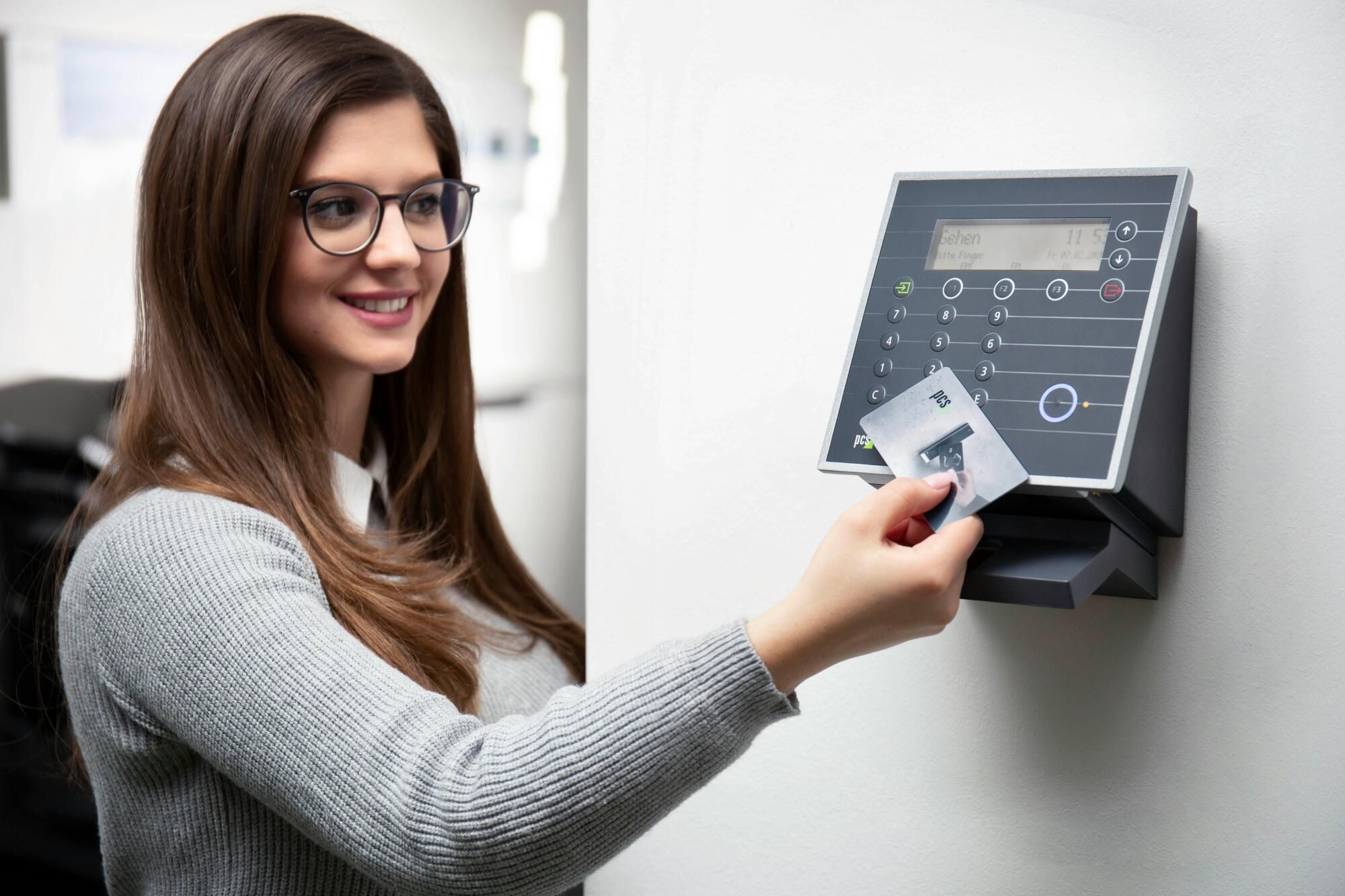
When resolving wage disputes, time and attendance records serve as the main source of proof. However, bad timekeeping habits like automatically deducting lunch breaks, undocumented after-hours work, and unexplained timecard changes limit the effectiveness of your records as evidence. Other problematic timekeeping practices include very unfair time rounding, unrecorded remote work, failure to review timecards, and using inconsistent time tracking tools.
The U.S. Department of Labor obtained back pay for around 177,000 personnel, amounting to more than $259 million in 2025. Poor time-tracking practices expose your business to unprecedented costs in the form of back wages.
Now, let’s take a closer look at a few questions many may ask.
What Is the Best Way to Keep Track of Employee Hours?
A very effective time and attendance tracking method should accurately capture when workers clock in, clock out, and take breaks. The best method for your business depends on your normal workflow. You can choose from any of the following tracking methods:
- RFID proximity card clock
- Time tracking mobile app
- Fingerprint time clock
- Facial recognition time clock
Is Keeping Time Sheets Compulsory?
Per federal FLSA recordkeeping regulations, you must keep the records used to determine workers’ pay for a minimum of two years. The records include:
- Timesheets
- Time cards
- Wage rate tables
- Piece-rate records
Following such recordkeeping rules will help you defend any disputes over hours worked or amount paid to employees.
Approaches to Timekeeping That Expose Businesses to Pay Disagreements
Flawed timekeeping practices usually create a big difference between the actual hours worked and those that are on record. In a wage disagreement, such differences can weaken your defense and expose your firm to costly claims. Some of the approaches to timekeeping that lead to wage issues include:
Taking Break Time Off an Employee’s Hours
Sometimes, staff use a chunk of their assigned break time to assist clients, take calls, or handle other work tasks. The minutes spent working over lunch can add up quickly.
Good employee time tracking should factor in meal breaks that are spent working. Failure to do so may leave your business exposed to an unpaid wage claim.
Failing to Track Work Done Off-the-Clock
It’s common to find employees handling work tasks beyond their official clock-in or clock-out time. They may spend that extra time:
- Answering work messages
- Preparing equipment
- Finishing paperwork
- Helping customers
While it may seem like only a few minutes, it can quickly amount to multiple hours across many shifts. Ensure your staff logs the time spent working after hours so you can take it into account when doing payroll.
Changing Timecards Without Justification
Managers have the authority to fix errors in timecards such as missed punches or inaccurate hours. However, editing timecards without clearly outlining the reason creates a risk if an employee later questions their hours or pay. To mitigate the risk, your time and attendance records should show:
- What was changed
- Who made the change
- Why the change was needed
Reducing Hours Worked Through Time Rounding
Human Resources teams use time clock rounding to make it easier to determine the hours worked. Rounding a few minutes here and there may look harmless. However, they may add up to a significant amount of time worked without compensation.
Make sure you assess how your rounding rules affect employee pay over time, not just a single shift. If the pattern consistently reduces the recorded hours, an employee may have grounds to argue that they were underpaid.
Ignoring Remote Work
Unlike employees who work from the office, remote workers can’t punch in or out to show the duration of their workday. Such lack of clarity often leads to reliance on estimates that don’t match the time actually worked.
For better wage and hour compliance, use a mobile or web-based timekeeping system. It will help you keep a clear record of hours worked no matter the employees’ location.
Using Mixed Timekeeping Methods
Using different ways to track time across your business can lead to missing hours and records that don’t match. It also becomes harder to show that everyone’s work time was recorded under the same process. For better payroll compliance, use one clear timekeeping method across your office.
Skipping Employee Sign-Off on Time Records
Your staff is best placed to spot errors on their timecards. They can easily tell if any of these problems show up:
- Missed punch
- Wrong break
- Missing hours
Giving your employees a chance to review their records before payroll can help catch those mistakes early. If employees later question their pay, you’ll also have a record showing they reviewed and approved the hours.
Frequently Asked Questions
What Is Timesheet Manipulation?
Intentionally altering a timesheet so it shows different hours from those actually worked counts as timesheet manipulation. It can happen from either the employee or employer side and may include:
- Adding hours that weren’t worked
- Removing hours that were worked
- Changing clock-in times
- Changing clock-out times
- Altering recorded breaks
How Long Does an Employer Have to Correct a Payroll Mistake?
There isn’t one federal deadline that applies to each kind of payroll mistake. How much time you have to correct an error depends on:
- The type of mistake
- The wages involved
- The state you’re in
Once you find a mistake that left an employee underpaid, correct it as soon as possible rather than wait for a complaint. Also check the wage and payroll rules that apply in your state to see whether you have a specific deadline for making the payment.
What Should You Do if You Make a Mistake on Your Timesheet?
If you notice a mistake on your timesheet, inform your manager as early as you can. Explain what’s wrong and provide the correct time. Don’t change the record without following your employer’s correction process, since there should be a clear record of any edits made.
Reduce Wage Disputes With Better Time and Attendance Records
In case a wage dispute comes up, having clear time and attendance records will help support your side of the story. To keep your records accurate, avoid poor timekeeping practices such as unexplained timecard edits, unrecorded remote work, and unfair time rounding.
Did you find this article helpful? If so, explore more articles on this site for practical tips on managing employee time, payroll, and other workplace issues.