What will it take to end homelessness? Experts weigh in on the solutions
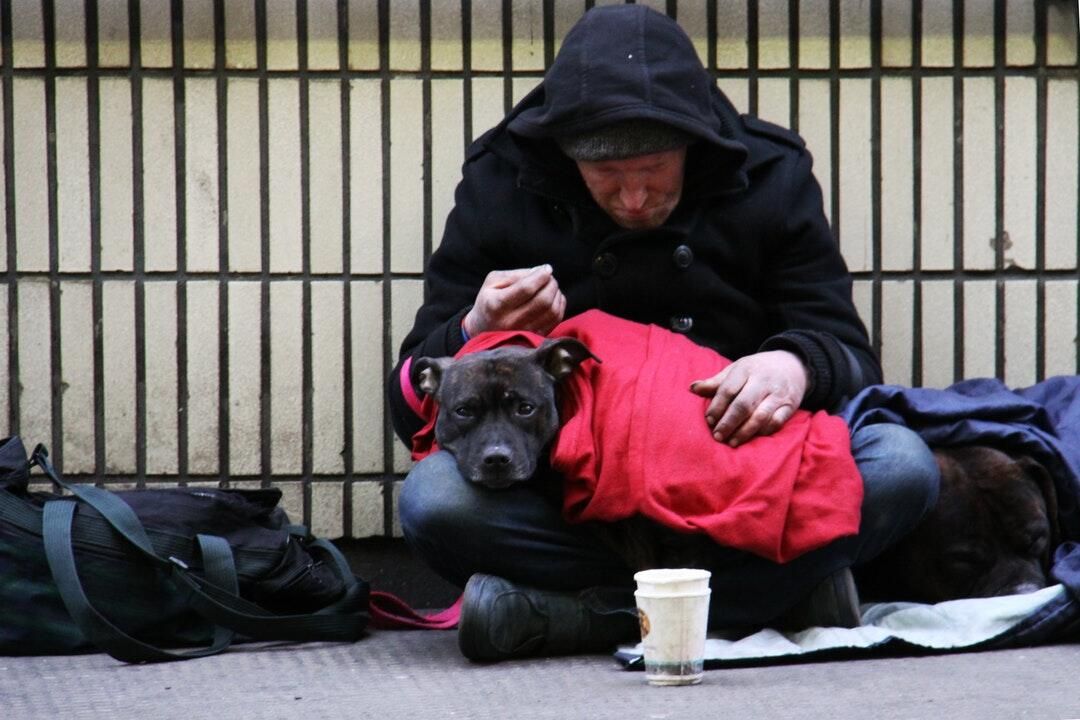
End homelessness by having more affordable housing, faster prevention, better health care access, and long-term support after a person gets keys. Experts say shelter matters, but permanent housing must be the goal.
In January 2025, HUD counted 745,652 people without a home on a single night in the United States. The count also found 266,320 people living outside or in places not meant for sleep.
Behind those numbers are families, veterans, young adults, workers, older adults, and people facing deep health needs. Many people picture homelessness as one crisis. Experts describe it as several linked failures.
Rent rises. Wages lag.
Health care gaps grow. Shelter systems fill up.
Real progress depends on treating housing as the foundation for safety, health, and stability. Communities need strong prevention, enough affordable homes, useful services, and clear paths out of emergency housing.
What Is the Best Solution to Homelessness?
The best answer is also the most direct. Help people stay housed, and provide housing for those who need it. Those two steps are the simplest and most effective path forward.
Prevention matters because it stops a crisis before it becomes harder to fix. Rental help, utility help, legal aid, and quick case management can keep a household from losing a lease. Once a person loses housing, recovery becomes more complex.
Strong solutions to solve homelessness often include:
- Affordable housing
- Rental assistance
- Supportive services
- Outreach teams
- Health care access
- Job and income support
How Can Housing First Help End Homelessness?
Housing First gives people stable housing without first requiring sobriety, treatment, or proof that they are “ready.”
Services still matter. The difference is timing. Housing comes first, then care and support follow.
Research reviewed by Journalist’s Resource found that Housing First programs reduced homelessness by nearly 90% compared with Treatment First programs. A 2022 review found a median cost of $16,479 per person each year, with $18,247 in economic benefits.
The Main Causes of Homelessness Experts Keep Naming
The core causes of homelessness are often economic and systemic.
Rent is too high for many low-income households. Wages and public benefits often do not cover basic housing costs. Health problems, domestic violence, family conflict, job loss, and discrimination can make the risk worse.
Johns Hopkins experts noted that rising housing costs drive more people into homelessness than individual factors such as substance use or mental illness.
The most urgent problems with homelessness include:
- Poor health
- Unsafe sleeping conditions
- Loss of documents
- Family separation
- Missed work
- School disruption
- Higher public costs
Homelessness and mental health are also closely linked because stress, trauma, and untreated conditions can worsen when people live outside or move from shelter to shelter.
Why Emergency Housing Still Matters
Emergency housing can save lives during a crisis. Shelters, warming centers, motel vouchers, and temporary beds give people a safer place to sleep.
Temporary shelter offers immediate relief, but it should not become the long-term plan. Communities must move people into permanent housing so shelter beds remain open for the next emergency.
Local nonprofits, outreach teams, churches, and community groups often help fill urgent gaps. Readers researching local service models may come across organizations such as Mel Trotter Ministries while learning how communities connect people with:
- Shelter
- Meals
- Recovery support
- Housing resources
Why Funding and Policy Choices Matter
Housing programs need stable funding. Short-term grants can help start projects, but rental assistance and supportive housing need ongoing funding.
CBPP reports that only 1 in 4 eligible households receive federal rental assistance. It also notes that programs such as rental assistance, legal supports, eviction prevention, and supportive services need sustained investment.

Cuts can move the country backward. The National Alliance to End Homelessness warned that one FY27 budget proposal could cause at least 217,782 people in permanent housing funded by the Continuum of Care program to lose their homes.
Permanent housing programs do not work if they are funded like temporary experiments.
Young Adults Need More Attention
Youth homelessness also requires a targeted response. According to Chapin Hall research cited by the National Alliance to End Homelessness, about 1 in 10 people ages 18 to 25 experience homelessness during a year.
Young adults may need help with:
- Family conflict
- Foster care exit
- School enrollment
- Work documents
- Transportation
- Trauma care
A shelter bed alone rarely solves those barriers. Strong youth programs offer:
- Housing plus education
- Employment
- Counseling
- Long-term support
Frequently Asked Questions
What Role Should Health Care Play in Ending Homelessness?
Health care should be part of the housing plan, not a separate afterthought. Many people need:
- Mental health treatment
- Addiction care
- Primary care
- Help managing chronic illness
Stable housing makes those services easier to deliver because providers can find the person and build trust over time. Integrating health services with housing programs can improve outcomes and reduce long-term public costs.
Why Do Encampment Sweeps Remain Controversial?
Cities often clear encampments because residents and businesses want public spaces cleaned. Health researchers warn that forced displacement can separate people from:
- Medicine
- Outreach workers
- Documents
- Support
Tradeoffs reported that researchers have linked sweeps to higher risks of:
- Infection
- Hospitalization
- Overdose
- Premature death
Critics argue that without offering stable housing alternatives, sweeps can worsen the cycle of homelessness.
Can Cities Reduce Homelessness Without Waiting for Federal Action?
Cities can make progress, but they need resources. Local leaders can:
- Expand rental aid
- Improve shelter exits
- Fund outreach
- Reform zoning
- Protect tenants
- Support affordable housing projects
State funding can also help communities avoid cuts when federal support is uncertain. Partnerships with local nonprofits and private organizations can also strengthen these efforts and expand available services. Strong data tracking and accountability can help ensure these strategies deliver measurable results.
To End Homelessness, Communities Need Long-Term Solutions
The path to end homelessness is clear, even if the work is hard. Communities need enough affordable housing, fast prevention, useful health care, strong outreach, and permanent support for people with complex needs.
Shelters can protect people during emergencies. Permanent housing gives people a stable base to rebuild their lives. Better policy can reduce public costs, improve health, and help more neighbors stay safe.
Explore more guides and articles on our website for deeper coverage of housing, public policy, health, and community issues.