Why product launches fail even when demand exists
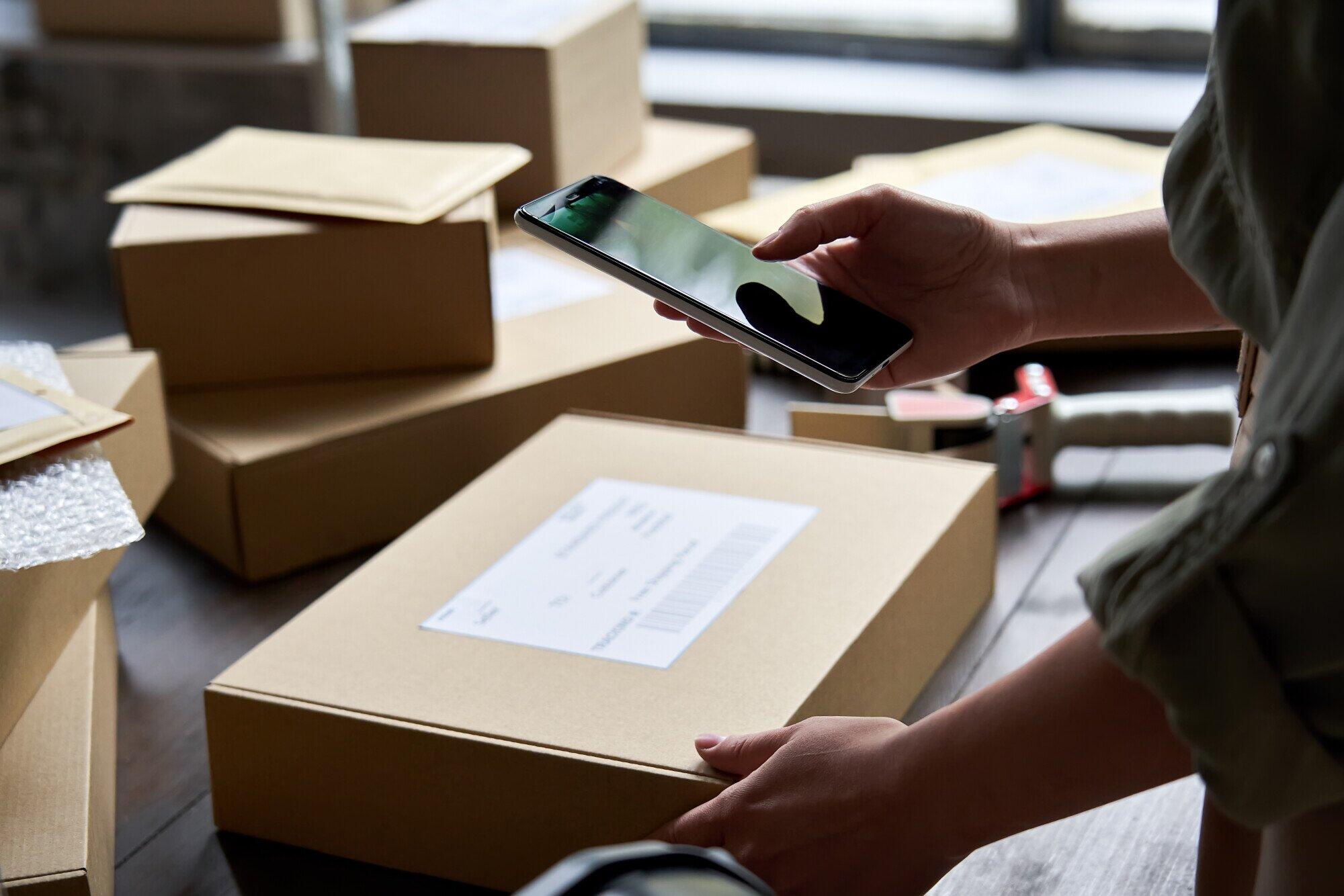
Your product launches may be struggling to help you make sales because you don’t plan distribution. Spending money on a campaign only for it to flop is discouraging for business owners. Set the best prices and ensure the packaging is also appealing to whoever you’re targeting.
According to a post on G2, brands launch over 30,000 new consumer products each year. Finding ways to stand out is important even if there’s market demand for what you sell. If you make common mistakes during a launch, you’ll lose potential revenue.
What Are Product Launches?
The processes of introducing a new product or service to the market. It’s important to plan how you’ll market a product before you even let your customers know about its existence. Use a product launch to help more people understand:
- What the product is
- Why it matters to them specifically
- How it solves a problem they’re facing
- Where can they buy it
- Why they should choose it over other options in the market
You should be using successful product strategies to build excitement before the launch date.
What Are the Three Types of Product Launches?
A soft launch, full-scale, and rolling launch. Figure out what you want to achieve, and know what your customers respond to well. It will help you pick the best method. You can introduce products to a small group of people with a soft launch. Many companies test using:
- One county or region
- A small customer group
- Several phases for different features
Using the feedback you get from the small group to improve helps avoid investing large amounts and regretting it later. You can introduce your product to the entire target market at once. Full-scale launches require a lot of research. Support your strategy with:
- Major advertising campaigns
- Public relations efforts
- Social media promotions
Full-scale launches are better when you want to start bringing in money faster.
Launching your product in several markets gradually is sometimes safer. It will help you plan your operations as you enter an international market. If you don’t want to expand your distribution channels all at once, a rolling launch will be ideal.
Reasons Even High-Demand Product Launches Fail
Many customers in Indianapolis may be ready to buy from you, but that doesn’t mean your products will always succeed once you introduce them in the market.
Understand consumer behavior before you spend money on a campaign or event. Promising rollouts end up failing if you don’t take more precautions.
Packaging Blunders Can Turn Your Customers Away
Not everyone will be willing to buy something in a package they don’t like. Boxes and bottles might break during shipping due to poor handling or packaging.
Make a good first impression on your potential customers. Your wrappers should attract the attention of someone walking across a store with many products.
If a shopper can’t figure out what your item does quickly, they may not even consider buying it. List the benefits and best features somewhere people can easily see them. Learning about common mistakes when choosing packaging protects your investment. Even if you’re trying to cut costs, avoid:
- Poor quality ink that fades quickly
- Misleading images
- Choosing the wrong box size
Making Pricing Mistakes
Know what your products are worth before you set a price. Selling at a very high price compared to your competitors doesn’t work for all businesses.
By understanding your market and knowing what people are willing to pay, you can avoid a failed product launch. Research the amount other brands are selling things with similar features for. If you offer add-on services like installations or demos, they might justify a higher price.
It’s tempting to set a low price to attract sales. Ensure the selling point is sustainable in the long run. Customers will feel like you were tricking them if they notice a significant price spike a few months after you launch a product. Balance your goals with the customers’ expectations.
Weak Distribution Strategies
You shouldn’t be spending a lot of money marketing things that your customers will have a hard time finding. Launch failure sometimes results from poor distribution plans. Customers can feel frustrated if they visit your website or distributor only to find out what they’re looking for hasn’t arrived or is sold out.
Don’t lose business to your competitors. If you choose the best retail partners, they’ll let you know when they need to restock in advance. Ensure your e-commerce platform updates your stock after someone shops. You’ll be able to create more products before they sell out.
Frequently Asked Questions
How Long Should a Launch Take?
It depends. Figure out what the best time to launch would be and start planning from there. Some product launches only need 3 months. If you have a complex product or you’re testing a new market, you might need up to a year.
Rushing the process can cause you to lose customers. They might feel like you don’t know what they need or that you don’t care about the quality. You’ll be able to spot flaws and fix them if you take your time.
How Do I Measure Success After a Launch?
Track the sales and website visits. Customers often give feedback after using a new product. Use the information to determine if you should make any changes.
Returns will drain your revenue, and you should be tracking them. They tell you that something about your product is disappointing the users.
What Happens When Marketing Creates Unrealistic Expectations?
Customers may stop trusting you. Exaggerating benefits only captures people’s attention for a short time. After customers realize you were dishonest, they may talk about the issue on social media.
One viral video or a bad review can ruin your company. Be honest because it will help you gain loyal customers.
Running Successful Product Launches
Find reliable distributors before spending money on product launches. They’ll help you meet demand without frustrating your customers because they can’t find what they need.
If a shopper spots a product with bad packaging on the shelf, they may choose to buy a competitor’s. Always invest in high-quality packaging. Setting the best price for your market also helps you make more sales.
Read more business growth insights on our news.