Home insulation projects are putting spray foam safety in focus

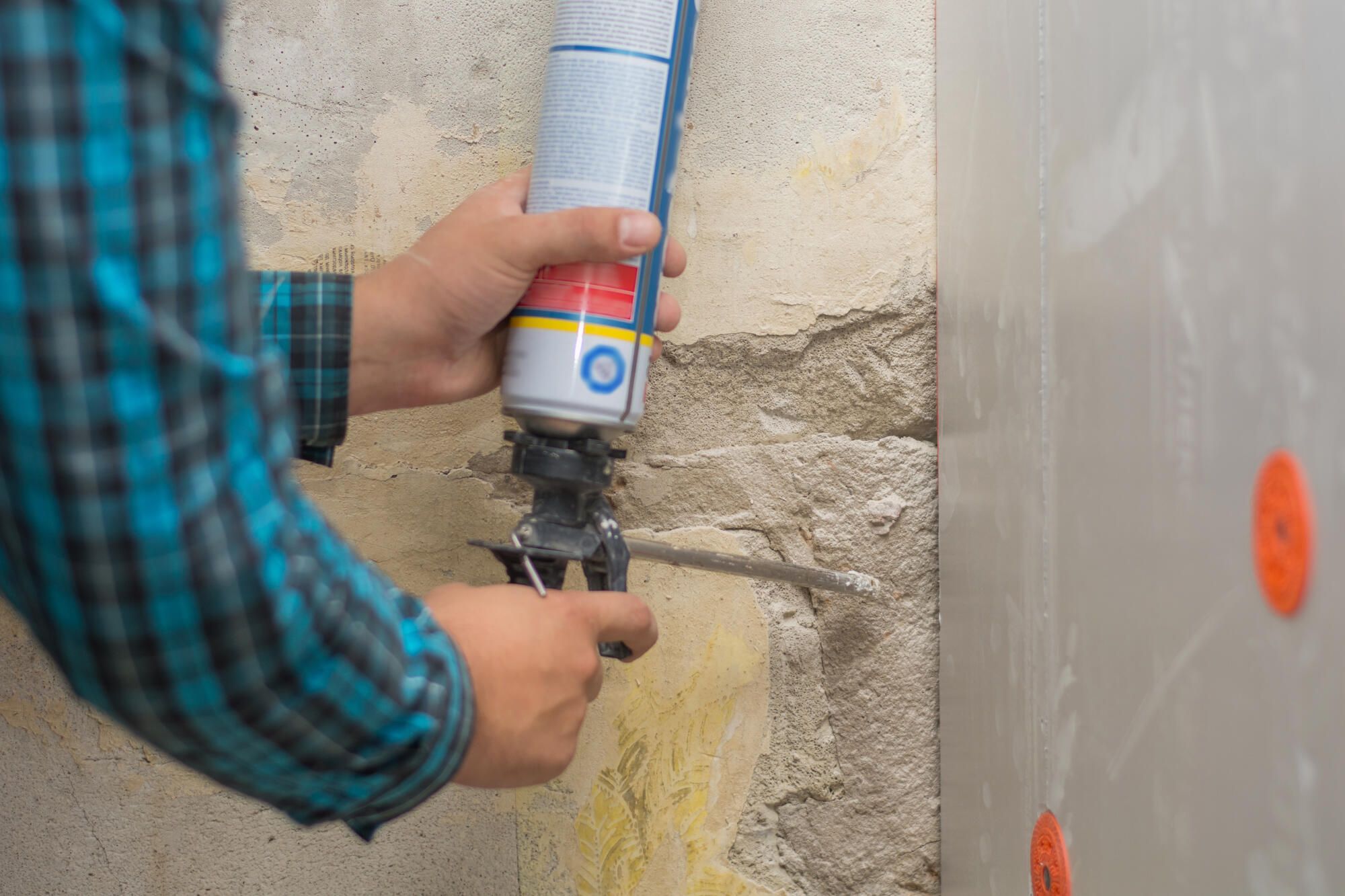
Spray foam can seal stubborn gaps and improve home comfort, but installation comes with safety considerations homeowners should understand before work begins. Ventilation, curing time, protective equipment, and proper application all matter for spray foam safety when used inside a home.
That matters in a country where 9 out of 10 homes are underinsulated. A project that starts with a cold upstairs bedroom or soaring heating bill can quickly turn into a larger insulation job involving attics, crawl spaces, and wall cavities. As more homeowners tackle those problem areas, the question is no longer only how well spray foam works, but how safely the job is handled from application through re-entry.
What is Spray Foam?
Spray foam is a type of insulation that begins as liquid components and expands after application, filling cracks, gaps, and other spaces within a building. Once cured, it creates an insulating layer that can also limit unwanted air movement through walls, attics, crawl spaces, and other parts of a home.
Understanding the basics of spray foam starts with recognizing that there are different formulations. Open-cell foam is generally less dense and softer, while closed-cell foam is denser and often provides greater insulating value per inch. The appropriate option depends on where the safe spray foam insulation will be installed and what the project is intended to accomplish.
Safe Spray Foam Insulation: Ventilation
Ventilation is an important consideration during spray foam installation because the application process can release vapors, aerosols, and other airborne substances. Attic insulation contractors may use mechanical ventilation to move contaminated air outdoors and control exposure while the foam is being applied and curing.
The same precautions deserve attention during a DIY spray foam project. Small kits can make the job appear relatively simple, but working in an enclosed area can increase exposure if the space is poorly ventilated. DIY users should:
- Follow the manufacturer’s ventilation instructions
- Wear the specified protective equipment
- Keep other people and pets away from the work area
Opening a window or running a household fan should not automatically be considered sufficient ventilation. Requirements vary based on the product, size of the project, workspace, and application conditions, so homeowners should follow product-specific instructions for ventilation and safe re-entry.
What Happens When Spray Foam Is Applied Near the Roof?
Spray foam may be applied to the underside of the roof deck to insulate and air-seal the attic. This can change how air and moisture move through the roof assembly, particularly when an attic that was previously vented becomes part of the home’s insulated space.
Existing roof conditions should be checked before installation. Leaks, damp sheathing, damaged wood, and other problems can become harder to spot once foam covers the surface. Roof vents also should not be blocked without confirming that doing so is appropriate for the intended insulation design.
Future access deserves consideration as well. Because cured foam adheres to the roof deck, inspecting or repairing sheathing and other covered components may require removing some insulation.
Cost to Replace Attic Insulation
The cost to replace attic insulation depends on:
- Attic size
- Insulation material
- Accessibility
- Labor requirements
- How much existing material must be removed
A straightforward replacement in an open attic can cost much less than a project involving difficult access, extensive spray foam removal, or repairs before installing new insulation.
DIY removal and installation can reduce labor costs, but it isn’t suitable for every attic. Homeowners need to account for:
- Protective equipment
- Disposal costs
- Tools
- Ventilation
- The time required to complete the work safely
Existing spray foam can be particularly difficult to remove because it may adhere firmly to roof decking and framing.
Checking Electrical and Mechanical Systems
Attics and wall cavities often contain much more than insulation. The following may all pass through areas where spray foam is being installed:
- Electrical wiring
- Junction boxes
- Recessed lighting
- Ductwork
- Pipes
- Exhaust systems
- HVAC components
These systems should be inspected before they become surrounded or obscured by insulation. Existing electrical problems, damaged wiring, leaking ducts, or equipment that requires regular servicing may be considerably harder to reach after spray foam has cured.
Access also needs to remain part of the plan. Electrical boxes, shutoffs, vents, mechanical equipment, and other components that require inspection or maintenance should not simply disappear beneath foam.
Frequently Asked Questions
Can Spray Foam Insulation Be Removed if Something Goes Wrong?
Spray foam insulation can be removed if an installation fails, becomes damaged, or needs to be cleared for renovation work. Removal can be labor-intensive because cured foam adheres tightly to wood and other building materials.
The extent of the work depends on where the foam was installed and how much needs to come out. A contractor may need to cut, scrape, or mechanically remove the material while taking care not to damage wiring, roof components, framing, or other surfaces underneath.
What Should You Check Before Buying a House That Already Has Spray Foam Insulation?
Before buying a house with spray foam insulation, check:
- Where and when it was installed
- Which product was used
- Whether professional installation records are available
- Whether there are signs of moisture or water damage
- Whether the foam makes roof components difficult to inspect
A home inspector can also look for visible gaps, moisture problems, damaged foam, or areas where the insulation could make the roof, wiring, plumbing, or structural components difficult to inspect.
It is also worth asking about warranties, previous repairs, ventilation changes, and any issues that appeared after installation. If important areas are concealed or something about the installation raises concerns, a specialist may need to examine the insulation before the purchase moves forward.
Is It Safe to Renovate a Room That Contains Older Spray Foam?
Yes, but the existing insulation should be assessed before renovation begins. Cutting into walls, ceilings, or roof assemblies can disturb older spray foam and expose areas that have been sealed for years.
Contractors should first determine where the foam is located and whether it must be removed to complete the work. Signs of moisture damage, deterioration, unusual odors, or questionable installation may warrant further evaluation before demolition starts.
Spray Foam Safety: Protect Yourself Today
Pay attention to spray foam safety before you start renovating.
Do you need more help remodeling your home? Make sure you check out some of our other articles.
This article was prepared by an independent contributor and helps us continue to deliver quality news and information.