DOJ Busts $27.7M California Hospice Fraud Scheme
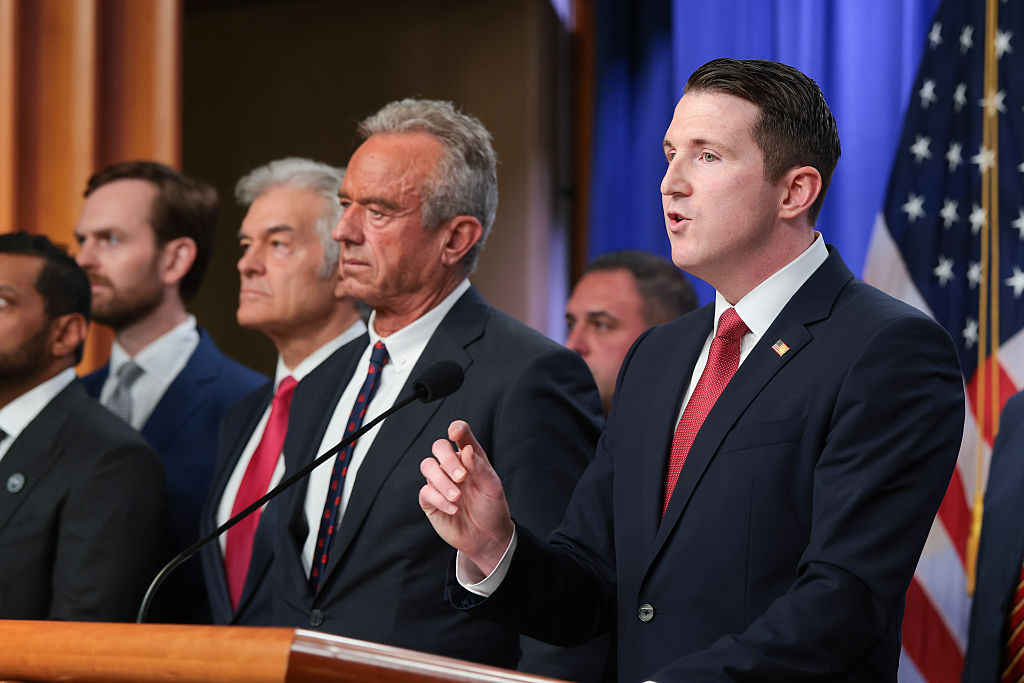
A nationwide federal crackdown on health care fraud has led to charges against 455 defendants accused of submitting more than $6.5 billion in fraudulent claims, making it the largest health care fraud takedown in U.S. history, according to the Department of Justice.
Among the cases is a California hospice fraud scheme centered in the Los Angeles area. Federal prosecutors allege a San Fernando Valley hospice operator and others orchestrated a $27.7 million fraud operation through multiple hospice companies. Authorities say the defendants enrolled people who were not terminally ill in hospice care and, in some cases, billed Medicare for patients who had already died.
Prosecutors allege the scheme involved paying kickbacks for patient information, including data obtained from a funeral home employee. Investigators also claim false and backdated medical records were used to support fraudulent Medicare claims for services that were never provided.
At least 10 defendants in the Central District of California, including medical professionals and health care executives, have been charged with defrauding government health care programs.
Officials say hospice fraud has become a growing problem in California, fueled by the size of Medicare and Medi-Cal programs and oversight challenges. Fraudulent hospice enrollments can prevent patients from receiving appropriate medical treatment while draining taxpayer-funded health care resources.
The California arrests are part of the DOJ’s 2026 National Health Care Fraud Takedown, which spans 45 states and 56 federal districts. In addition to the 455 people charged, authorities have seized at least $182 million in assets, including cash, vehicles, and real estate.
Federal officials say the crackdown is aimed at protecting vulnerable patients and preserving public trust in health care programs intended to serve those in need.
Jerry Lopez and Brian Alvey from the “Those AshHoles” podcast discuss the story: