Porter County Splits on Planned Taxes for Bears Stadium in Hammond
Porter County Splitting on Planned Taxes for Bears Stadium in Hammond
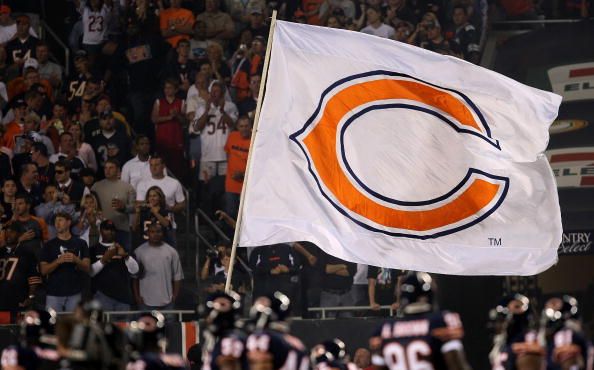
PORTER COUNTY, Ind. — The united front of northwest Indiana support for luring the Chicago Bears across the state line has some cracks.
While Bears officials say they are focused on Hammond as the site for the team’s planned new domed stadium, support is shaky for some of the local tax increases underpinning Indiana’s incentive package.
Indiana’s stadium offer — approved by lawmakers and signed by Gov. Mike Braun in late February — would direct more than $1 billion in taxpayer money toward stadium-area infrastructure that officials say would also support the team’s plans for surrounding retail, restaurants and residential development.
That money would come from a mix of new local taxes in Lake and Porter counties along with an undetermined share of a $700 million fund from the Indiana Toll Road’s private operator.
Primary knocked out Porter County supporter
Porter County Commissioner Jim Biggs said he’s seen no reason to change his opposition to imposing a 1% restaurant tax in his county and then having that money go toward the stadium project in Lake County.
Aversion to that tax was a campaign issue as the Porter County Council president lost in last month’s Republican primary after supporting the state’s stadium financing plan.
“I think there’s actually a negligible percentile of Porter County residents that support creating a food-and-beverage tax in our county and putting that money in an envelope and sending it off to Hammond,” Biggs told the Indiana Capital Chronicle. “We have our own issues here that need to be addressed.”
The Porter County restaurant tax likely represents less than 10% of the about $60 million in annual revenue projected from stadium-related taxes in the legislative analysis of Senate Bill 27. It is unclear, however, how much tax revenue is needed to finance the state’s plan. That’s because the total scope of the project, including how much the Bears will contribute, has not been finalized.
Porter County Council President Andy Vasquez joined several other northwestern Indiana officials speaking in support of the stadium plan as providing an economic boost across county lines when it was unveiled by legislative leaders in February.
But Vasquez said that after his primary defeat, the council won’t take any action on the restaurant tax this year.
“Evidently people don’t want it because I’m no longer going to be here after December 31st,” Vasquez said in an interview. “I’m not going to be here, so we’ll leave it to the next group.”
Craig Kenworthy, who defeated Vasquez in the primary, did not reply to emails seeking comment. A prominent message from his campaign, however, was “No new taxes for Lake County projects!”
“The National Football League is one of the wealthiest sports leagues in the world, and the Bears are a billion-dollar franchise,” he wrote in a social media post. “Given that reality, I believe the financial responsibility for building the stadium should rest primarily with the team and private investors, rather than being placed on Porter County residents through a tax that disproportionately affects working families.”
Braun expects “most will come on board”
Gov. Mike Braun’s administration has been leading negotiations with the Bears, and he’s expressed confidence that the stadium will be built in Hammond despite Illinois leaders saying they are continuing talks with the team.
Braun said this week while he wasn’t aware of the Porter County resistance “that doesn’t trouble me” in putting together the stadium package.
“I think most will come on board once we get closer to the finish line,” Braun told the Capital Chronicle.


A Bears spokesman did not reply to a request for comment on the local tax opposition and status of any negotiations with Illinois officials. Bears leadership had focused their stadium plans on a team-owned site in the northwestern Chicago suburb of Arlington Heights before turning attention to Hammond in recent months.
Republican House Speaker Todd Huston has had “great conversations with local elected officials in Lake and Porter counties about the stadium project and what it will mean for the region,” according to spokeswoman Molly Gillaspie.
“The tax revenue collected for the public portion of the project is directly tied to revenue generated at and around the stadium — those who are attending events, visiting and benefiting from this investment,” she said. “He’s optimistic about getting the project across the finish line and continuing to work with local officials and residents to bring this transformative opportunity to Northwest Indiana.”
Hammond leader forging ahead
Hammond Mayor Tom McDermott said the Bears continue looking at possible stadium sites in the city beyond the one initially proposed along Wolf Lake near the state line.
Significant organized opposition hasn’t emerged in Lake County to the new restaurant and hotel taxes that would help pay for the stadium district work.
McDermott, a Democrat who has been mayor since 2004, said he knows some residents don’t like taxes proposed for the stadium project but believes they are in the minority.
“I think the people support the Bears move into the region, knowing full well that it also is going to bring some taxes to the area,” McDermott said. “If I’m wrong, I’m betting with my job, because I’m on the ballot next year.”
Biggs, the Porter County commissioner, said he doesn’t see any appetite in his county for sending tax money to the stadium project.
“I hope you get your stadium, but don’t ask for our help.” Biggs said. “ We’re in a position where we need our own help. We don’t have enough money to pave the roads that we have. We don’t have enough money to provide the fire and ambulance protection to the extent that we would like to, and we would also like to give our employees adequate raises.”
McDermott said he didn’t believe Porter County’s skepticism would scuttle the stadium financing but warned it could be politically shortsighted.
“I wouldn’t want to be that mayor or that county commissioner or that county councilman that was leading the charge against passing that, because I’ve learned over my 25 years in government that you may win that battle, but you lose the war,” McDermott said. “We’re being asked nicely by the governor, by the General Assembly, to do these things, and we need to do these things if we’re going to make this happen. I think, in a case like this, it’s wiser to do it.”