WHCD Security Was Less Tight Than A TSA Checkpoint
- Security measures were less strict than a TSA checkpoint, despite high-profile attendees.
- Radicalization is a growing threat, often among the educated, not just the disadvantaged.
- Higher risk demands greater awareness and preparedness from government and security agencies.
WHCD Security Was Less Tight Than A TSA Checkpoint
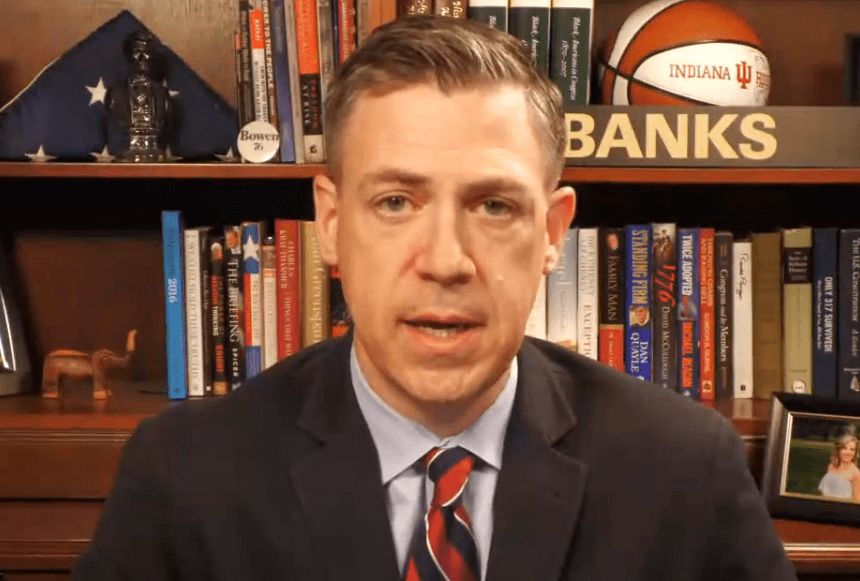
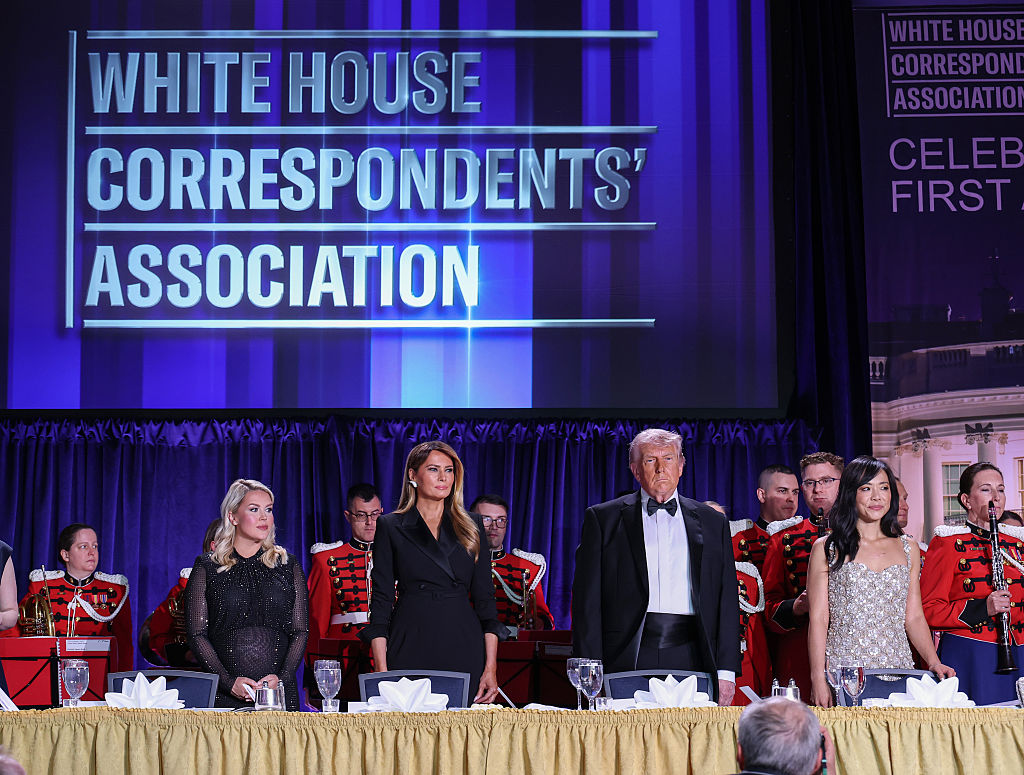
The recent White House Correspondents’ Dinner assassination attempt has left the nation reeling, and experts are sounding the alarm on a disturbing trend: the rise of radicalization. Tony Katz is joined by Steve Yates, a senior research fellow for China and National Security Policy at the Heritage Foundation, to explore the complexities of this issue.
As Steve recounts his experience at the dinner, where the would-be assassin was neutralized before reaching the ballroom, he highlights the lax security measures in place that night. “There was less tight security than if you went through a TSA checkpoint,” he notes. “That should never be the case when you have the President, the First Lady, the Vice President, all of the National Security Cabinet, as far as I could tell, the leadership of Congress… there has to be a little bit more serious of a barrier.”
Steve’s observations are a stark reminder of the vulnerabilities that exist in our security protocols. He emphasizes that the attacker was an “educated and trained person” who had done his research, exploiting the hotel’s layered security approach to gain access to the event. “This is not your sort of hobo coming in off the street trying to do something bad,” Steve stresses. “This is an educated and trained person that was radicalized.”
The conversation takes a sobering turn as Steve discusses the radicalization process, which he believes is a key factor in the recent wave of violence. “Radicalization is not always about the poorest amongst us or the weakest amongst us,” he explains. “It is very often amongst the educated.” He cites the example of Osama bin Laden, a wealthy and educated individual who was radicalized and went on to orchestrate the 9/11 attacks.
Steve’s insights are a wake-up call for those who underestimate the threat of radicalization. He notes that the government and security agencies have been trained to deal with a certain level of risk, but the current situation demands a higher level of awareness and preparedness. “There’s a higher level of risk, and that’s because there is a higher degree of radicalization and the access to weaponry,” he says.
Listen to the “WHCD Security Was Less Tight Than A TSA Checkpoint” discussion in full here:
Listen to the show in full here:
Watch the show here:
Archived episodes here:
ABOUT THE SHOW
Tony Katz Today airs from 12-3pm ET on 93.1 WIBC/Indianapolis
What are we talking about? Politics, breaking news, political theory, art, the markets, food, libations and whatever else may come to mind.
PLEASE SUBSCRIBE TO THE PODCAST
Tony Katz Today on Apple Podcasts