SNAP Cuts Could Fuel Rise in Gun Violence, Doctors Warn
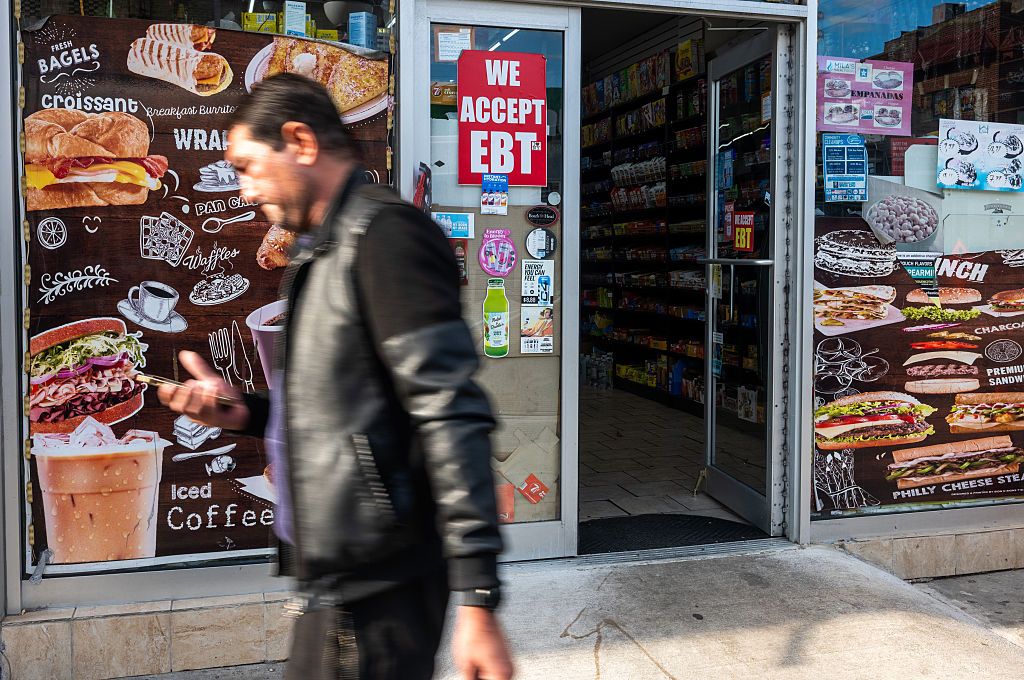
Researchers and trauma surgeons say growing food insecurity may contribute to higher rates of gun violence, pointing to studies that link limited access to food with firearm injuries. Dr. Sharven Taghavi told Cincinnati officials that communities with higher food insecurity also experience more violent injuries, helping secure $850,000 for programs that improve food access as a violence prevention strategy.
Following passage of President Donald Trump’s “Big Beautiful Bill,” about 4 million Americans lost SNAP (food stamp) benefits due to expanded work requirements and other eligibility changes. Taghavi said reducing access to food assistance could increase gun violence in some communities by leaving more basic needs unmet.
Researchers argue food insecurity and gun violence stem from the same underlying issues, including poverty and disinvestment. They warn that reduced SNAP access—especially among children and in high-violence states like Louisiana, Mississippi, Florida, and Arizona—could worsen both public health and firearm violence outcomes.
Ethan Hatcher and Jerry Lopez discuss: