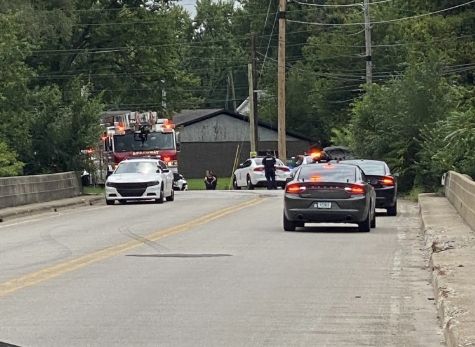
IMPD Runs Data‑Driven Traffic Operation on Near East Side

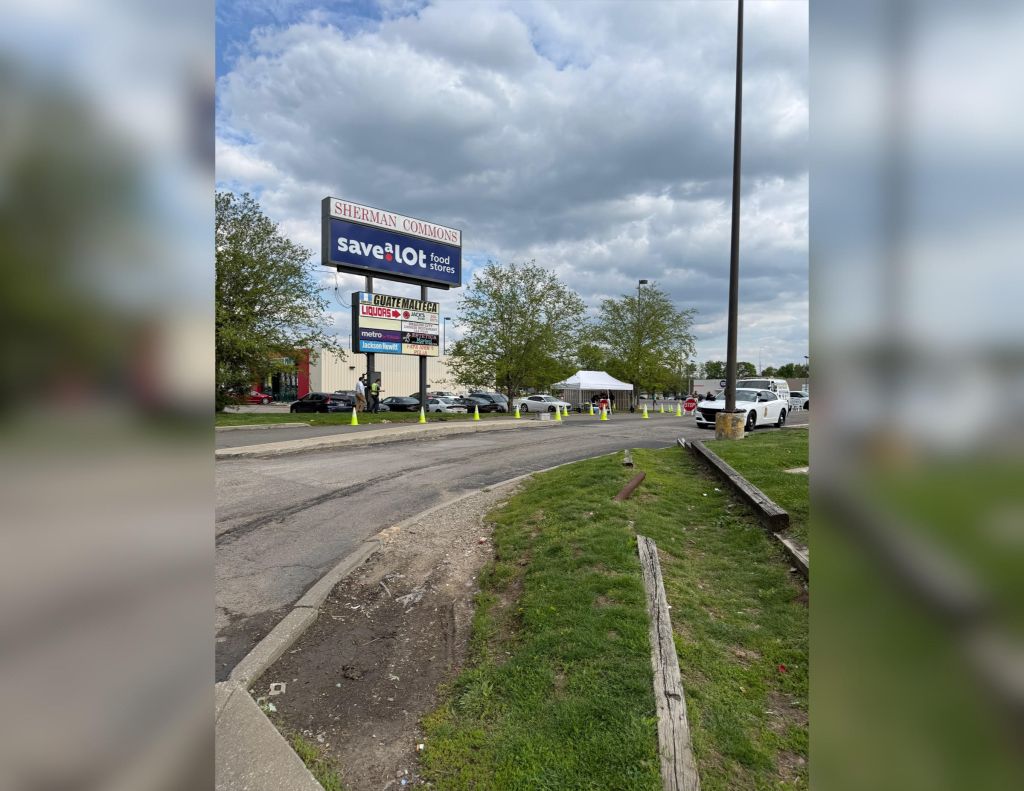
INDIANAPOLIS — Indianapolis Metro Police ran a DUI checkpoint Thursday along East Washington Street on the city’s near east side as part of ongoing efforts to deter and detect impaired driving.
Lt. Michael DeHart said the department conducts these operations several times a year, and each one is built around crash and arrest data.
“All of this is for DUI prevention and apprehension as well. We select a site based on DUI crash and arrest data. Once that site is selected, we get volunteers made up of officers throughout the county. They’re paid through the Indiana Criminal Justice Institute grant, so it’s city funded and all overtime. Once we’re up and running, we start pulling cars in systematically so we don’t pick on anybody. There’s a legal process we follow,” DeHart said.’
DeHart said the goal is not only enforcement, but visibility and deterrence.
“We’ll get 3,000 to 4,000 cars through in a night, so 3,000 to 4,000 drivers see us. Hopefully that deters some people who were thinking about drinking and driving. That’s part of the prevention side. The other part is the enforcement side,” he said.
He also said the timing and locations are data-driven, not random or based on convenience.
“We don’t just throw them up there. We look at crashes and DUI-related data, and we place them in spots that show a pattern,” DeHart said.
DeHart added that officers also try to make the checkpoint process as low-stress and straightforward as possible for drivers.
“We want it to be more of a conversation, not something where people feel intimidated or scared when they come through,” he said. “We operate under Fourth Amendment guidelines. People are citizens, they’re allowed to come and go as they please. So we’re very limited in what we can do and how long we can hold someone, and what we’re going to ask.”
He said each stop is designed to be brief.
“It’s a pleasant conversation at least from our side. It’s very quick. Once we’re up and running, you’re talking maybe 20 to 30 seconds and then they’re on their way,” DeHart said.
DeHart said outcomes vary from checkpoint to checkpoint. Some nights result in multiple arrests, while other operations may have none, depending on who comes through.