Why outdoor living spaces are a top renovation priority for homeowners
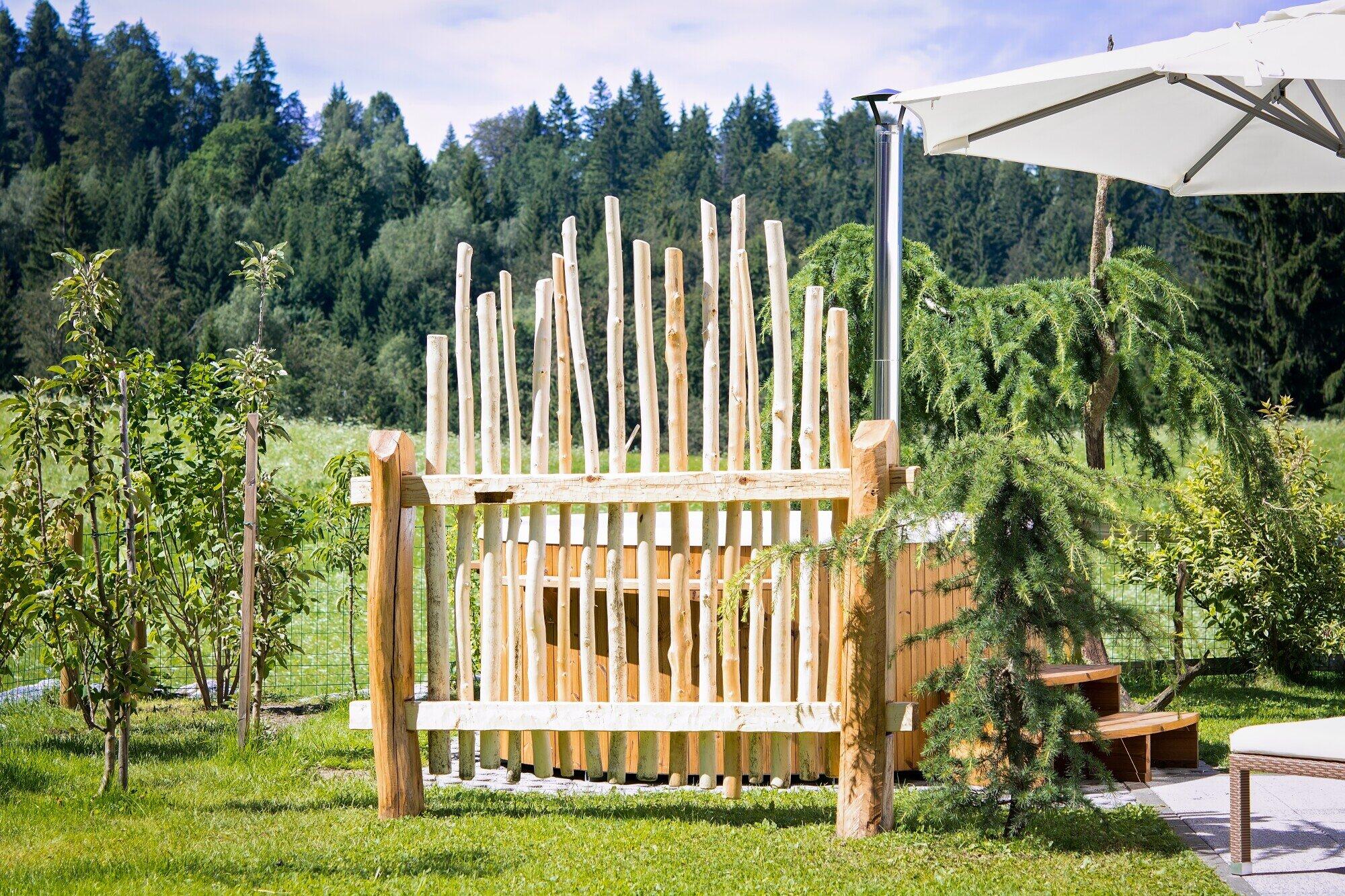
Well-designed outdoor living spaces extend the home by creating functional areas that also serve as relaxing areas that add value to the property. Outdoor spaces now rank among the most strategic of renovation investments.
Homeowners today select home improvement projects that create healthy living areas that bring them comfort. People who own homes also now look for environments that combine relaxation with entertainment. Families need additional areas to unwind while spending time in nature from their home.
Outdoor areas have developed into fundamental elements instead of just an option. They function as important residential areas that increase the value of homes and create lasting satisfaction for homeowners. Smart renovation projects currently focus on creating spaces that unite indoor and outdoor areas.
Home renovation trends now focus on the creation of durable and lifestyle-enhancing areas.
Why Are Outdoor Living Spaces So Popular Among Homeowners?
Outdoor environments provide flexibility that traditional indoor rooms cannot match. Patios, decks, and covered seating areas serve multiple purposes throughout the year.
Homeowners appreciate spaces that support:
- Family gatherings
- Quiet relaxation
- Remote work breaks
- Outdoor dining
- Recreational activities
Climate-adapted materials, heating features, and shade systems allow extended seasonal use. These improvements increase functional square footage without costly additions.
Media reports and construction industry data confirm rising demand for outdoor upgrades. Consumers now view exterior spaces as essential lifestyle assets rather than decorative features.
How Do Outdoor Living Spaces Affect Home Value?
Strategic outdoor improvements contribute directly to resale appeal and appraisal performance. Buyers increasingly evaluate outdoor functionality when comparing properties.
Features that influence valuation include:
- Professionally designed patios
- Covered entertainment areas
- Built-in seating
- Outdoor kitchens
- Landscape lighting
Well-maintained outdoor environments help properties sell faster. Buyers associate these upgrades with quality construction and thoughtful planning.
Investments in outdoor patio design and landscaping support efforts to boost home value in competitive markets.
The Role of Lifestyle Changes in Outdoor Renovation Demand
Modern work and family routines encourage time spent at home. Flexible schedules allow more frequent use of private outdoor spaces.
Remote workers value fresh-air environments for short breaks and informal meetings. Parents appreciate safe outdoor zones for children. Retirees prefer accessible spaces for daily relaxation.
These behavioral changes influence renovation planning. Outdoor rooms now support:
- Mental health
- Productivity
- Social engagement
Outdoor Living as an Extension of Interior Design
Designers increasingly treat outdoor environments as natural extensions of indoor rooms. Coordinated materials, furniture, and color palettes create visual continuity.
Common integration strategies include:
- Matching flooring textures
- Coordinated lighting schemes
- Sliding glass wall systems
- Covered transition zones
- Unified landscaping elements
This approach improves flow and usability. Homes feel larger, brighter, and more connected to natural surroundings.
Materials and Construction Trends Shaping Outdoor Spaces
Durable materials support long-term performance and safety. Homeowners now select products designed for climate resistance and low maintenance.
Popular material choices include:
- Composite decking
- Porcelain pavers
- Natural stone surfaces
- Aluminum pergolas
- Weather-resistant fabrics
Suppliers such as Rock Products Inc. provide specialized stone and masonry materials that support long-lasting outdoor construction projects.
Advances in manufacturing improve resistance to moisture, fading, and structural wear. These improvements reduce long-term ownership costs.
Backyard Transformation Through Purpose-Driven Design
Successful renovations begin with functional planning. Homeowners identify specific activities before selecting layouts and features.
Effective backyard transformation projects often include:
- Zoned seating areas
- Cooking and dining spaces
- Shade structures
- Water features
- Storage solutions
Purpose-driven layouts prevent overcrowding and improve daily usability. These designs adapt to changing family needs over time.
Garden Living Ideas That Promote Wellness
Outdoor environments support physical and emotional well-being. Gardening, meditation, and quiet reflection reduce stress and encourage movement.
Popular garden living ideas include:
- Raised planting beds
- Walking paths
- Seating nooks
- Herb gardens
- Pollinator-friendly landscapes
These features encourage daily outdoor engagement. Homeowners report improved mood and stronger connections to their surroundings.
Well-designed garden spaces contribute to healthier routines and improved life satisfaction.
Sustainability and Energy Efficiency in Outdoor Design
Environmental awareness shapes renovation decisions. Homeowners now prioritize sustainable materials and energy-conscious systems.
Key strategies include:
- Permeable paving
- Rainwater collection
- Native plant landscaping
- Solar-powered lighting
- Recycled materials
Sustainable planning reduces environmental impact and long-term operating expenses. These choices align with responsible homeownership values.
Outdoor Structures and Market Growth
Industry analysts project continued expansion in outdoor construction markets. Demand for pergolas, pavilions, and screened enclosures continues to rise.
These structures provide:
- Weather protection
- Privacy control
- Insect management
- Extended usability
- Architectural interest
Manufacturers and builders respond by offering customizable systems that integrate well with existing homes.
Professional Design and Installation Benefits
Experienced contractors ensure safety, compliance, and performance. Professional planning reduces expensive errors and improves project timelines.
Qualified professionals assist with:
- Site evaluation
- Drainage planning
- Structural engineering
- Material selection
- Permit coordination
Frequently Asked Questions
How Much Should Homeowners Budget for an Outdoor Living Space Renovation?
Budget ranges vary based on size, materials, and complexity. Basic patio upgrades may start at several thousand dollars, while full outdoor kitchens and covered structures may exceed $30,000.
Long-term planning helps balance initial investment with durability, maintenance, and resale benefits. Consulting design professionals early improves cost forecasting and reduces unexpected expenses.
Regional labor costs and material availability also influence final pricing. Phased renovations can help homeowners manage expenses without sacrificing quality.
What Permits Are Required for Outdoor Renovation Projects?
Permit requirements depend on local zoning laws and project scope. Structural additions, electrical installations, and plumbing features often require municipal approval.
Homeowners should consult local building departments before construction begins. Professional contractors usually manage permitting processes to ensure regulatory compliance.
How Can Homeowners Maintain Outdoor Living Spaces Year-Round?
Regular maintenance preserves appearance and safety. Seasonal cleaning, furniture storage, and surface sealing protect materials from weather damage. Heating elements and weather covers extend usability in colder months.
Preventive maintenance programs reduce long-term repair costs and preserve investment value.
Routine inspections help identify minor issues before they escalate. Documented maintenance also supports resale negotiations.
Choosing Outdoor Living Spaces as a Long-Term Investment Strategy
Strategic renovation planning positions outdoor living spaces as long-term lifestyle assets rather than temporary trends. These environments enhance comfort, wellness, and property appeal across market cycles.
Homeowners who invest thoughtfully benefit from improved daily living and stronger resale performance. Design quality, material durability, and functional planning determine long-term success.
Continue exploring our website for more helpful tips and the latest news story updates.