Beating Rising Healthcare Costs: Dr. Bring’s Cash-Based Clinic
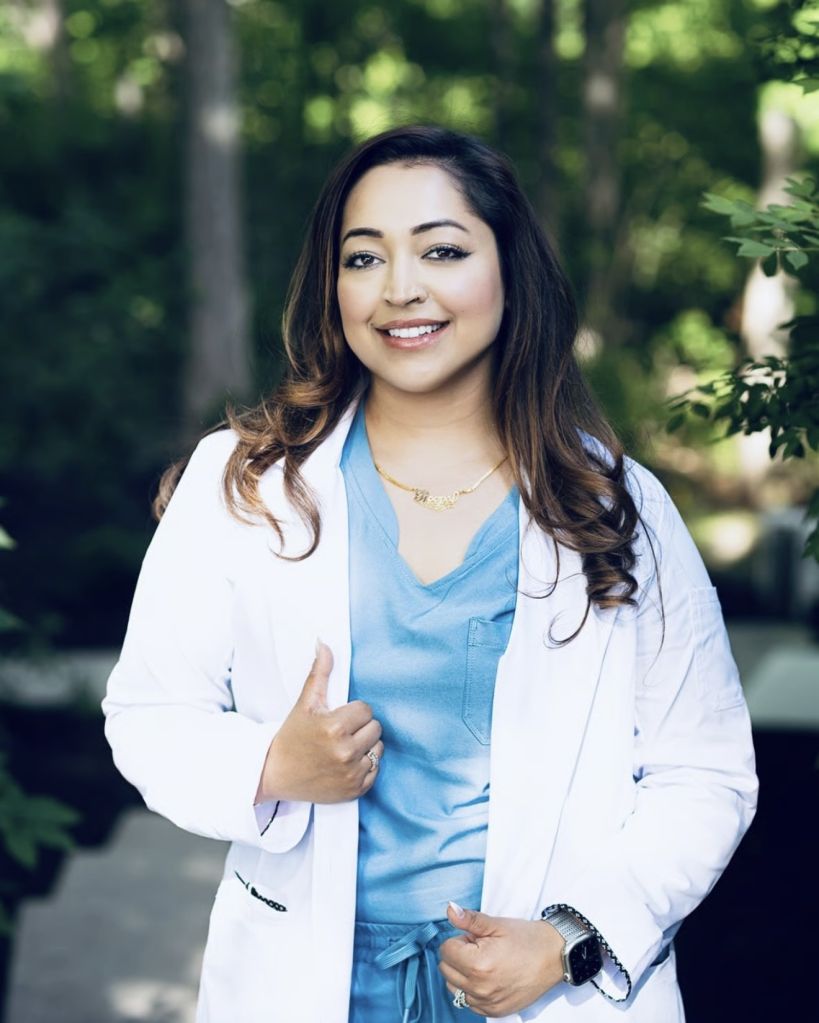
INDIANAPOLIS — As Indiana residents prepare for a volatile 2026 healthcare market, a shift toward Direct Primary Care (DPC) is gaining momentum. With insurance premiums projected to spike and federal subsidies set to expire, many Hoosiers are bypassing traditional insurance-billing systems in favor of a “one-stop-shop” healthcare model.
According to recent filings with the Indiana Department of Insurance (IDOI), the state is bracing for a significant financial shift. Marketplace carriers have requested average premium increases of 20.5%, with some hikes reaching as high as 40%. This “insurance death spiral” is expected to impact over 300,000 Hoosiers just as enhanced tax credits from the Inflation Reduction Act are scheduled to sunset.
A “One-Stop-Shop” for the Community
For Dr. Roopsi Bring, CEO and Medical Director of Elysian Medspa and Rejuvenation Center, the move into primary care was a direct response to community anxiety.
“Every single person should have access to healthcare – early access, affordable access, and easy access,” says Dr. Bring. “So that’s what we’re trying to do here. If it’s primary care you’re after, we’re here for you. If it’s aesthetic, we’re here for you.” Dr. Bring’s newest initiative, Elysian Primary Care, operates on a cash-based membership model. It aims to eliminate the “middleman” of insurance, which often dictates how and when a patient can receive care.
“It’s more of an ‘a la carte’ style medicine,” Dr. Bring explains. “You get to pick and choose what you want, how you want it, and you are truly in charge of your healthcare.”
Understanding the DPC Model
Direct Primary Care is not insurance, but rather a membership. For a flat monthly fee—typically ranging from $60 to $100—patients receive:
Unlimited office visits with no co-pays.
Significantly longer appointments (often 30–60 minutes).
Direct access to their physician via text or phone.
In-house lab testing at wholesale prices.
To manage the risk of major emergencies, many patients utilize a “wrap-around” strategy. This involves pairing a low-cost DPC membership with a high-deductible insurance plan or health-sharing ministry, ensuring coverage for hospitalizations while keeping routine costs predictable.
Indiana’s Growing DPC Landscape
As of late 2025, the DPC movement in Indiana is robust. There are currently 80 to 100 active locations across the state. While the highest density remains in the Greater Indianapolis area, the model is expanding rapidly into Fort Wayne, South Bend, and Evansville.
The workforce is also growing to meet the demand. State projections suggest that new resident positions will add over 175,000 hours of direct primary care capacity to Indiana’s healthcare workforce by 2026.
Why Doctors are Making the Switch
The expansion of Elysian into primary care wasn’t just a business decision; it was driven by the patients themselves. “We had patient interest,” Dr. Bring notes. “When they asked about our background and said, ‘Hey, you’re a set of doctors, you guys know what you’re talking about, do you see patients outside of aesthetics?’… we’re pretty excited to launch and serve our community in this capacity.” For Hoosiers dreading their 2026 insurance renewal notices, the “a la carte” approach of DPC offers a rare sense of stability in an otherwise turbulent market.