Stand for Children: Helping Indy Parents Navigate the School System
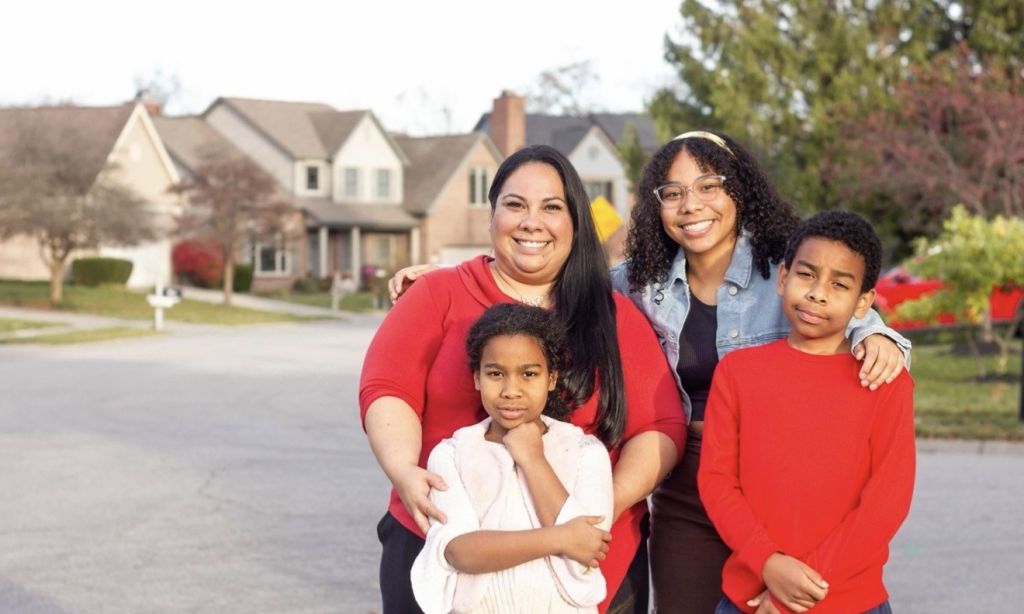
INDIANAPOLIS — For Elia James, education advocacy isn’t just a job title; it’s a personal mission rooted in the challenges of her own childhood.
As a Mexican immigrant who spent years translating for parents who struggled to navigate a complex school system, James now spends her days ensuring that today’s families don’t feel that same sense of being “lost.”
As a Community Organizer for Stand for Children, James is at the forefront of a movement to empower parents and youth in Indianapolis. Her work has taken on a new urgency with the recent formation of the Indianapolis Public Education Corporation (IPEC), a local governmental body created to unify core functions like transportation and accountability across both traditional public and charter schools.
Closing the “Opportunity Gap”
The primary driver behind Stand for Children is what James calls the “opportunity gap.” Data shows that white students from middle-to-high-income backgrounds are significantly more likely to perform at grade level than Black or Latino students.
“That’s not okay,” James says. “Our advocates are working to change that so every student—no matter their background—has access to great schools and the chance to reach their full potential.”
IPEC: A New Hope for Equity
While the policy world can feel distant for many families, the creation of IPEC represents a tangible shift in how Indianapolis serves its students. Stand for Children spent months meeting with parents to draft recommendations for the new board.
For many families, the debate isn’t about “charter versus traditional”—it’s about access.
“One of the biggest barriers for our parents in low-income communities is transportation,” James explains. “I see a parent’s face look devastated when they see a school with high passing rates, but realize they can’t choose it because there’s no bus. We are excited about IPEC because it keeps the focus on making sure every student is well served, regardless of the building they’re in.”
Stand for Children utilizes what they call a “ladder of engagement.” It starts with simple workshops and builds into deep leadership training. James describes a hands-on approach that bypasses formal boardrooms in favor of real-world connection.
“Sometimes I’ll meet a parent at an event, or we’ll just go grab a cup of coffee. I’ve had lunch at McDonald’s with parents or visited them in their apartment complexes because they have children with autism and can’t easily leave,” says James.
The organization’s impact is felt most acutely in its language-specific outreach. With fellows specializing in Spanish and Haitian Creole, the group helps parents navigate high-stakes situations, such as expulsion hearings, ensuring they have proper interpreters and understand their legal rights.
Building Future Leaders
The goal is to move parents from “navigating” the system to “leading” it. The organization currently trains ten community fellows who learn public speaking and policy analysis, eventually becoming organizers themselves.
From conducting mock phone calls to help parents talk to teachers about makeup work, to analyzing graduation data, Stand for Children is reframing the parent’s role.
“We really want them to be leaders in their child’s education,” James says. “Sometimes parents need a little reminder: these are the most important years of your child’s life. You are the leader.”
Get Involved:
Families looking to connect with Stand for Children or learn more about upcoming IPEC meetings can visit their website or follow their social media channels. The organization offers three-series workshops and leadership training to help any parent find their voice.