Beef Prices Spike as Cattle Herds Shrink Nationwide
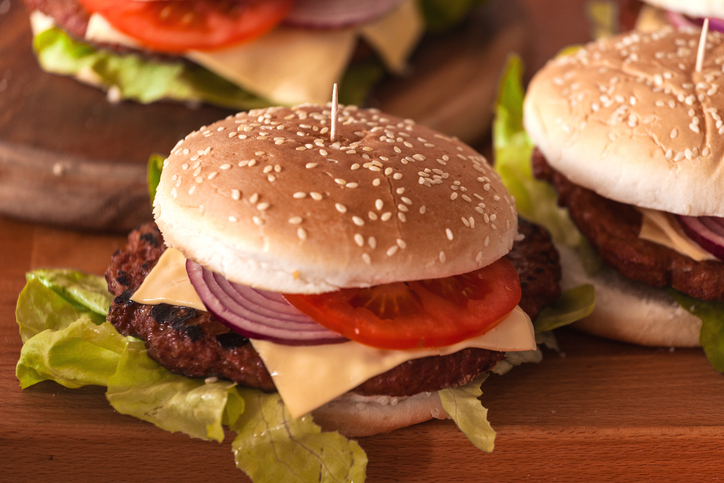
While prices for some grocery staples like eggs have dropped over the past year, beef continues to buck the trend, with ground beef costs remaining stubbornly high. According to data from the Federal Reserve Bank of St. Louis, ground beef reached $6.70 per pound in March, marking an increase of nearly 16% compared to a year earlier. Steak prices have followed a similar trajectory, rising 16% year-over-year to $12.73 per pound.
To put that into perspective, ground beef cost as little as $3.96 per pound in 2021 and averaged $3.75 a decade ago.
Unfortunately for consumers, relief doesn’t appear to be on the horizon.
“There is nothing to suggest any relief from high beef prices,” said Derrell Peel, a professor of agricultural economics at Oklahoma State University.
Prices could even climb further in the near term, offering little respite as summer grilling season approaches.
The U.S. Department of Agriculture’s latest forecast projects beef prices will rise more than 10% in 2026, with the possibility of increases as high as 18%.
“I would expect beef prices to remain high for the remainder of this year and potentially into next year as well,” said David Ortega, a food economist at Michigan State University.
Rising beef prices come as Americans are already grappling with higher costs for essentials, partly driven by the Iran war, which has pushed up fuel and heating expenses. The Consumer Price Index showed inflation rose 3.3% in March compared to a year ago—nearly a full percentage point higher than the previous month.
The conflict could also drive food prices higher in the months ahead, as increased diesel costs ripple through the supply chain. While the impact won’t be immediate, it could eventually affect perishable goods like beef.
“Higher diesel prices are going to affect costs all along the agri-food supply chain, from my running a combine, to transporting the grain that livestock producers need, to then transporting the actual processed beef products to the store,” Ortega said.
Overall, U.S. food prices have climbed nearly 20% since January 2022, according to the CBS News Price Tracker.
Still, global tensions aren’t the primary driver behind soaring beef prices. Economists point to a more fundamental issue: shrinking cattle herds paired with steady consumer demand. When supply tightens and demand remains strong, prices tend to rise.
In January, the number of beef cows in the U.S. fell below 28 million—down 1% from the previous year and the lowest level since the 1960s, according to USDA data. The decline is largely attributed to worsening drought conditions, which have reduced grazing land, increased feed costs, and forced some ranchers to cull their herds.
The situation worsened in 2022, when a severe drought hit the western U.S., a key cattle-producing region. That same year, Russia’s invasion of Ukraine drove up feed costs, making it even more expensive to maintain livestock.
“It became costly to hold on to livestock. So [ranchers] sold a lot of those animals,” Ortega explained, adding that cattle reproduction takes time due to long gestation periods, making it difficult to quickly rebuild herds.
Despite rising prices, Americans haven’t significantly cut back on beef. NielsenIQ data shows unit sales are down just 4% compared to last year, while total dollar sales have increased by 8%.
Demand for “beef has not diminished,” said Andrew Coppin, CEO of Ranchbot. “It’s actually taken more wallet off pork and chicken, so it’s been faring better even in a moderate inflation environment.”
There may be a small silver lining for consumers. USDA data suggests ranchers are beginning to rebuild herds by slaughtering fewer cattle and retaining more female cows for breeding.
“High prices are what signal producers to rebuild the herd and expand supply,” Ortega said. “Because of these high prices, we may start to see additional supply in future months and years that will then sort of help moderate these high prices.”