Statehouse Proposal Tightens Indiana’s Cooperation With ICE
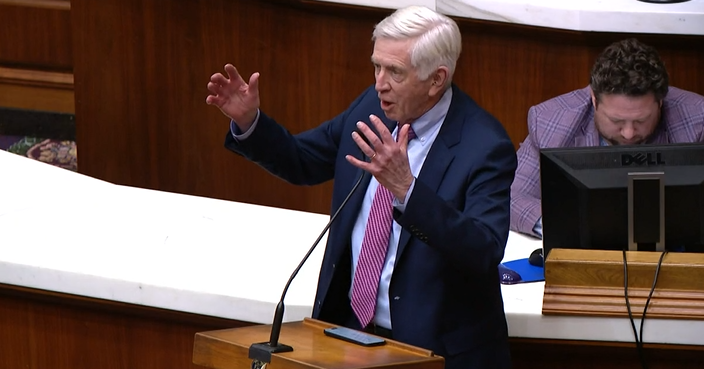
STATEHOUSE — A proposal that would increase cooperation between Indiana officials and federal immigration authorities advanced Thursday at the Statehouse, moving closer to becoming law.
The measure, which has already cleared the Senate, passed the House this week with a 60–28 vote. Supporters say it is designed to ensure Indiana does not operate as a “sanctuary state.”
“We are going to cooperate with ICE,” said Rep. J.D. Prescott, who sponsored the bill in the House. “We are going to make sure local law enforcement honors ICE detention requests.”
The proposal includes several major provisions. It would make it illegal for employers to knowingly hire people who are in the country unlawfully, while giving employers a defense if they can show they made a good‑faith effort to verify a worker’s status.
It also directs the Indiana Department of Correction to create standards for how county jails should respond when ICE asks them to hold someone suspected of being in the country unlawfully. The department would inspect jails for compliance, and the attorney general could sue facilities that fail to correct violations within 30 days.
Another section stops government entities like schools, hospitals, and universities from limiting ICE’s ability to enforce federal immigration laws.
Democratic lawmakers argued the measure goes too far by requiring cooperation from institutions that are not law‑enforcement agencies. “Why are we in a hurry to put every level of government at the disposal of this agency?” said Rep. Matt Pierce.
Rep. Ed DeLaney said the bill would force teachers, hospital workers and local police to comply with federal directives. “This is what we want? Our police don’t do that,” he said.
People gathered outside the House chamber Thursday to oppose the proposal.
House Speaker Todd Huston said the measure is intended to align Indiana with federal law. “We want people who are here legally to stay here legally,” he said. “We want people who have committed criminal acts to go through the ICE system.”
Because the House amended the original version, the proposal now returns to the Senate, where lawmakers must decide whether to accept the changes.