Reasons to embrace SEO optimization tools

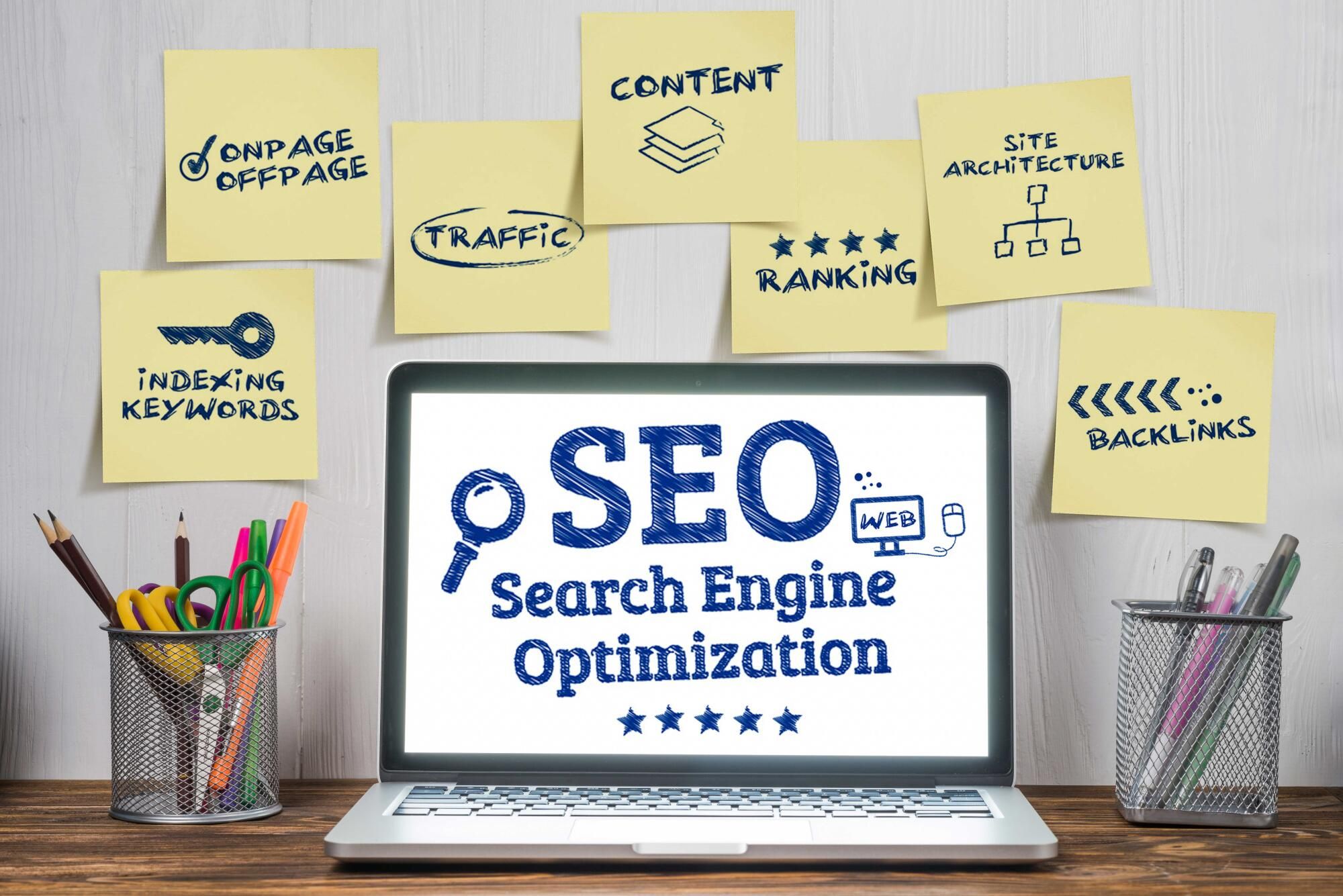
SEO optimization tools turn search data into practical actions. They help teams find technical problems, choose stronger topics, measure results, and improve visibility across traditional and AI-powered search.
At the start of April 2026, about 6.12 billion people were using the internet worldwide. That figure represented 73.8% of the global population, based on Manochi analysis reported by DataReportal.
Such a large online audience creates major opportunities. It also creates intense competition.
A website cannot depend on strong writing alone. Search engines must crawl, understand, and trust every important page. Visitors also expect speed, relevance, and simple navigation.
SEO optimization tools reveal where performance is being lost. The right platforms replace assumptions with evidence and guide changes that can support measurable growth.
What Are SEO Optimization Tools Used For?
SEO optimization tools collect information about keywords, rankings, links, page speed, crawlability, indexing, content, and user behavior. Teams use these insights to:
- Identify problems
- Compare competitors
- Plan content
- Monitor progress
It is best to connect keywords with search intent. Place focus terms in:
- Titles
- Headings
- Page copy
- Descriptions
- Other important page elements
Tools make that process faster by showing:
- Search patterns
- Related questions
- Topic gaps
- Ranking movement
Are SEO Tools Worth Using?
SEO tools are worth using when they reduce manual work, catch errors, and improve decisions. Their value comes from acting on the data instead of collecting reports that no one reviews.
SEO can increase organic traffic and improve the user experience. Results often take time and require regular maintenance.
Optimized content may continue attracting visitors after publication, which can support long-term cost efficiency. Tools strengthen those gains through:
- Audits
- Alerts
- Tracking
- Performance reports
Now, let’s take a closer look at the reasons to embrace SEO optimization tools.
They Replace Guesswork With Useful Data
SEO data can support smarter decisions across a wider marketing strategy. Analytics reveal:
- How visitors find a site
- What they search for
- Where they leave
Useful reports may reveal:
- Search queries and ranking changes
- Organic visits and conversions
- Competitor content gaps
- Pages that are losing traffic
Those insights support online presence enhancement because teams can direct time toward proven opportunities.
They Deliver SEO Ranking Benefits
Rank-tracking platforms show whether content updates and technical fixes are working. Keyword research platforms can also uncover specific, long-tail searches with clearer intent.
The SEO ranking benefits extend beyond a higher position. Better targeting can attract visitors who are more likely to read, subscribe, call, buy, or complete another meaningful action.
Reliable tracking also protects teams from repeating weak tactics. A ranking decline can signal:
- Outdated content
- Stronger competition
- Indexing trouble
- A change in search intent
They Expose Website Performance Problems
Website performance tools turn hidden technical problems into an organized repair list. Search crawlers can detect:
- Broken links
- Blocked resources
- Duplicate pages
- Weak internal links
- Indexing errors
Sustainable organic growth is closely linked with:
- Technical improvements
- Useful content
- A better user experience
Slow loading, crawlability trouble, JavaScript indexing failures, and blocked AI bots can quietly reduce visibility.
Early detection matters. A strong article cannot rank well when search engines cannot access or understand it.
They Improve Content Quality
Content platforms help writers decide whether a page answers the real need behind a search. They compare:
- Topics
- Headings
- Questions
- Keyword use
- Competitor coverage
Strong research also helps brands avoid thin or repetitive material. Key optimization tools’ advantages include:
- Clearer content briefs
- Stronger topic coverage
- Better internal links
- More focused updates for older pages
Tools can also identify pages that compete against each other for the same keyword. Teams can then merge, redirect, or reposition those pages.
They Create an SEO Visibility Boost
Search visibility now reaches beyond standard blue links. Brands may appear in:
- Maps
- Featured answers
- Voice results
- AI summaries
- Chatbot responses
Modern SEO combines:
- Technical work
- Purposeful content
- User-first design
- Authority
- AI alignment
Teams may also use a tool for AI visibility to track:
- Prompts
- Cited pages
- Brand mentions
- Competing sources
Such tracking can create an SEO visibility boost across changing discovery channels.
They Help Websites Adapt to AI Search
Modern platforms can group related topics and identify questions that deserve direct answers. Intelligent search optimization is an approach that combines:
- AI
- Semantic search
- User experience
- Ongoing analysis
Traditional SEO still matters. AI systems depend on:
- Clear page structure
- Crawlable content
- Trusted sources
- Useful information
SEO optimization tools help teams prepare content for search engines and answer engines without abandoning proven practices.
They Support Decisions, Not Automatic Success
Tools cannot replace strategy, judgment, expertise, or original knowledge. Automated suggestions may be too broad for a specific audience or goal. Human review remains essential.
A smaller, well-used toolkit often creates more value than several crowded dashboards. Choose platforms that solve clear needs.
Frequently Asked Questions
What Is the Best Starting Toolset for a Small Website?
Free platforms may cover early needs. Paid software becomes useful when the team needs:
- Deeper competitor research
- Larger keyword sets
- AI monitoring
- Automated reports
A small website can begin with:
- Search performance
- Analytics
- Speed testing
- A basic crawler
Each tool should match the website’s:
- Size
- Publishing schedule
- Audience
- Goals
Avoid paying for features that no one will review or use.
How Often Should SEO Reports Be Reviewed?
Check urgent alerts when they appear. Review traffic, rankings, conversions, and indexing each week.
Complete a deeper content and technical review every month or quarter. High publishing volume may require more frequent checks. Redesigns, migrations, and major search updates also call for added monitoring.
Which SEO Metrics Matter Most?
Useful metrics connect search activity with a meaningful outcome. Track qualified organic traffic, conversions, click-through rates, indexed pages, and rankings for high-intent terms.
Local organizations may track:
- Calls
- Directions
- Map activity
Publishers may focus on engaged sessions and returning readers. Avoid treating one score as complete proof of success. A higher ranking has limited value when a page attracts the wrong audience or fails to support its purpose.
Embrace SEO Optimization Tools to Build Smarter Growth
SEO optimization tools help websites compete through clearer data, stronger content, better technical health, and steady measurement. Their greatest value comes from showing where attention is needed and whether each improvement works.
A thoughtful toolkit can support online presence enhancement and lasting visibility. Explore more guides and articles on our website for practical insights into digital trends and smarter online strategies.