Improving curb appeal with outdoor lighting upgrades
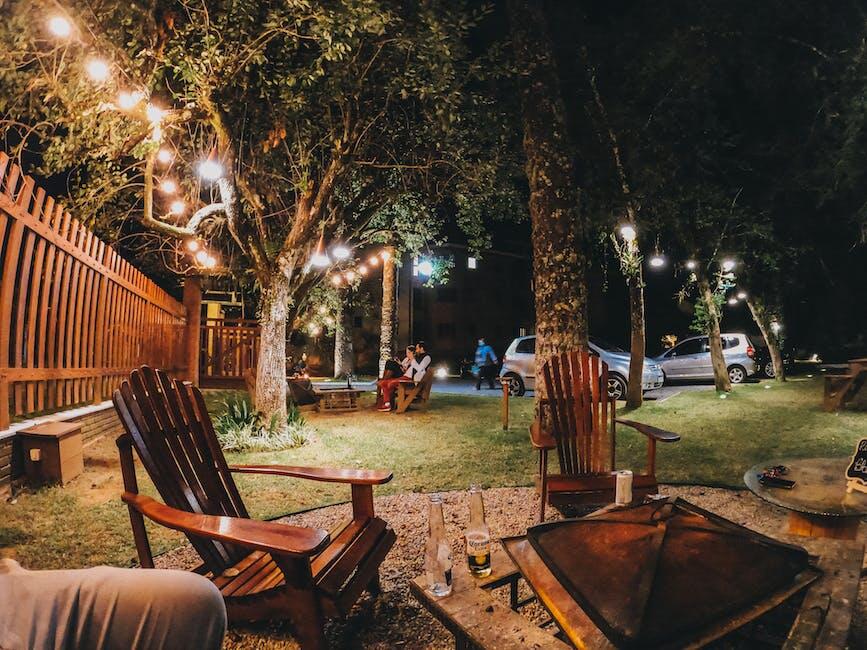
Outdoor lighting upgrades can help with improving curb appeal by adding depth, boosting visibility, and guiding the eye toward standout features. A handful of strategically placed fixtures can make a property look more refined, welcoming, and valuable without the need for major exterior changes.
You pull into your driveway at dusk, and your home blends into the shadows. Down the street, another house carries a subtle, intentional glow that immediately feels more complete.
That difference comes down to lighting. The right setup highlights architectural details, softens dark corners, and delivers a finished look the moment daylight disappears.
How Can Entryway Lighting Change First Impressions?
Entryway lighting acts as a visual cue that guides attention and sets expectations before anyone steps inside. A thoughtfully lit entrance helps define where the home begins, creating a natural focal point that draws people in rather than leaving them searching for the door.
Layering light at the entry can subtly elevate the design. Combining a primary fixture with softer accent lighting, such as step lights or nearby landscape illumination, adds depth and prevents the area from feeling flat or overly bright.
Proportion also matters. Fixtures that match the scale of the doorway avoid a crowded or underwhelming look, helping the entrance feel balanced and intentional without overpowering surrounding elements.
These choices influence how the entire exterior is perceived. A well-executed entryway lighting setup gives the impression of organization, attention to detail, and a home that has been carefully considered from the outside in.
Outdoor Lighting Types
Path lighting defines walkways and keeps movement safe without overpowering the space. These fixtures are typically low to the ground and spaced to guide rather than flood the area with light.
Accent lighting focuses on visual detail. It draws attention to architectural elements, textured walls, or landscaping features that deserve to stand out once natural light fades.
Task lighting supports function in areas like:
- Entryways
- Driveways
- Outdoor seating spaces
- Garages and side access points
- Outdoor kitchens and grilling areas
It provides enough brightness for everyday use while still blending into the overall design.
Ambient lighting ties everything together. It creates a soft, consistent glow across the exterior so that no single area feels disconnected or too dark.
Exterior Remodel: Landscaping Lighting
Landscaping lighting brings structure and depth to outdoor areas that often disappear after sunset. It highlights natural features and helps define the layout of a yard in a way that feels intentional rather than accidental.
Focused lighting can draw attention to standout elements. Trees, garden beds, stonework, and water features all take on a different presence when lit from the right angle, creating contrast that adds visual interest.
Placement plays a critical role in the overall effect. Uplighting emphasizes height and texture. Downlighting softens the space and creates a more natural look that mimics moonlight.
What Mistakes Should Be Avoided With Outdoor Lighting?
Outdoor lighting can quickly lose its impact when planning is overlooked. Small missteps often lead to a setup that feels harsh, uneven, or disconnected from the rest of the property.
One of the most common issues is using too much brightness in one area. Overlighting can wash out textures and create glare that makes the space uncomfortable instead of inviting.
Inconsistent fixture styles can also disrupt the overall look. Mixing finishes, shapes, or bulb tones without a clear plan can make the exterior feel pieced together rather than cohesive.
Placement mistakes tend to stand out as well. Lights positioned too high or aimed incorrectly can leave important areas in shadow while drawing attention to the wrong features.
Poor maintenance is another factor that affects results. The following can make even a well-designed system appear neglected over time:
- Burnt-out bulbs
- Dirt buildup
- Misaligned fixtures
- Weather damage on exposed components
- Faded or discolored fixture finishes
How Can Outdoor Lighting Extend Usable Living Space?
Outdoor lighting does more than improve the house exterior. It expands how the space can be used after sunset, turning patios and yards into functional extensions of the home.
Well-lit outdoor areas support everyday activities. Dining and entertaining become more comfortable when lighting is designed to match how the space is used rather than simply brightening it.
Layering softer light in seating areas with more focused light in activity zones helps create a natural flow. This keeps the space usable without making it feel overly bright or artificial.
This added functionality changes how the property is experienced. A home that feels active and usable at night carries stronger curb appeal with outdoor lighting upgrades because it shows value beyond appearance alone.
Frequently Asked Questions
What Color Temperature Is Best for Outdoor Lighting?
A warm color temperature between 2,700K and 3,000K is usually the best choice for outdoor lighting. This range creates a soft, inviting glow that complements most home exteriors. Coordinate with house painters for the best possible effect.
Warmer tones work especially well for entryways, pathways, and landscape features because they highlight textures without washing out colors. Cooler temperatures above 4,000K are better reserved for security lighting, where visibility matters more than ambiance.
Should Outdoor Lighting Stay on All Night?
Outdoor lighting does not need to stay on all night to be effective. Most homeowners benefit from keeping key lights on during the evening, then switching to timers or motion sensors later to conserve energy.
Smart controls make this easier to manage. Entryways and security lighting can remain active, while decorative or accent lighting can turn off automatically after a set time.
How Do You Avoid Glare in Outdoor Lighting Setups?
Glare usually comes from lights that are too bright, poorly positioned, or left fully exposed. The goal is to light surfaces, not shine directly into people’s eyes.
Position fixtures so the light is angled downward or toward a feature instead of outward. Shielded fixtures and lower lumen outputs help soften the effect and keep the lighting comfortable.
Spacing also plays a role in outdoor landscape lighting. When lights are layered and balanced across the space, they reduce harsh contrast and create a smoother, more natural look.
Improving Curb Appeal: Include Outdoor Lighting
Outdoor lighting is an important part of improving curb appeal. It can make things safer and more appealing, too.
Do you need more home redesign advice? Check out some of our other posts.