From Foster Care to Author: Kat Perkins Shares Journey of Healing
INDIANAPOLIS — For many children who enter the Indiana Department of Child Services (DCS) system, the experience is a blur of unfamiliar faces and strange neighborhoods. For Kat Perkins, who is an Indianapolis native, it was the start of a decade-long battle to reclaim an identity that was nearly stripped away by trauma and systemic failure.
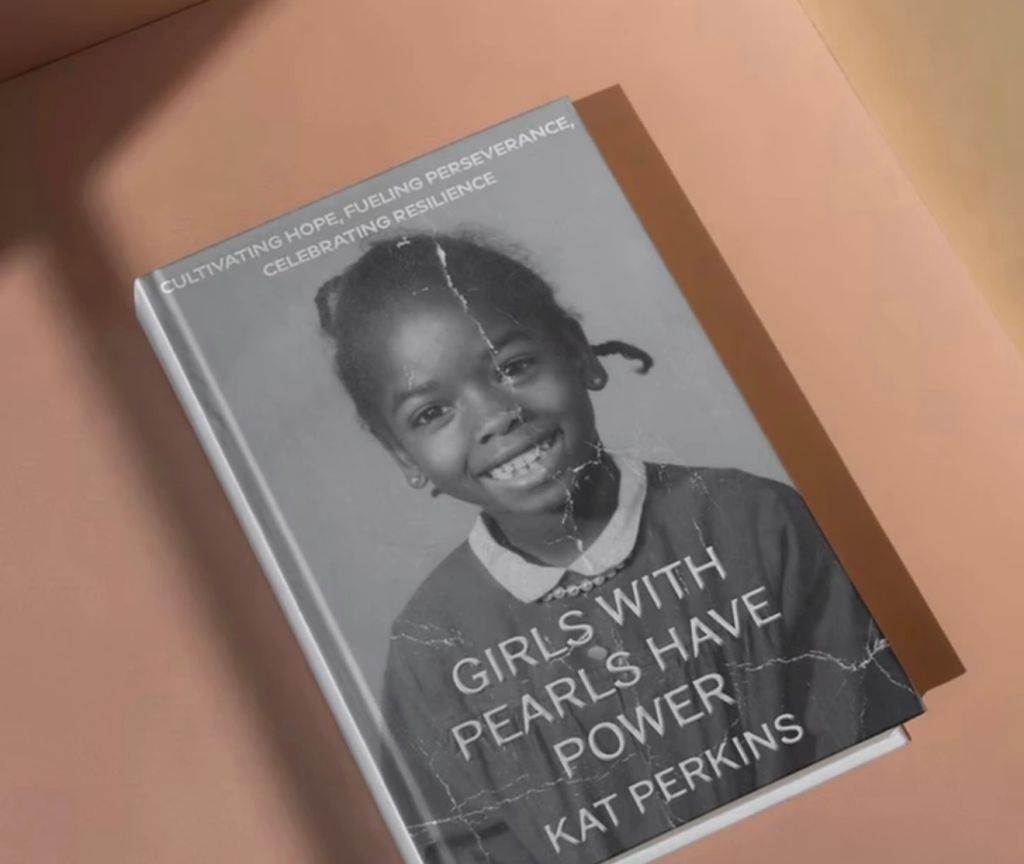
Now a celebrated author and speaker based in Atlanta, she is returning to her Hoosier roots to share her memoir, Girls With Pearls Have Power: Cultivating Hope, Fueling Perseverance, and Celebrating Resilience. The book is more than a life story; it is a framework for survivors of “Identity Interference.”
The ‘Hot Car’ and the Hidden Children
The author’s journey through the system began with a tragedy that left her father, a Chrysler foundry worker, reeling. Left to care for five young children alone, he struggled with a gambling addiction and the crushing weight of grief.
In a heartbreaking detail from her childhood, she recalls her father hiding his children in the family car during his shifts at the foundry to keep them out of the sight of “the welfare people.”
“We had to wait on the sound of the bell for my dad to come out on his lunch hour,” she recalls. “He was trying to hold onto his children because he’d made some mistakes… As I was writing this book, all of these memories start coming back. I’m like, ‘Dad, that really happened.’ Five children in this hot car.”
Eventually, the system caught up. At just 10 years old, she was separated from her father and her familiar Martindale neighborhood, tossed into a foster care system she describes as “not always a safe place.”
Her time in foster care was marked by confusion and predatory behavior. She speaks candidly about being moved between homes where the foster parents—people meant to be protectors—became perpetrators of “mental, physical, and sexual abuse.”
In one instance, she recalls being moved to a second home after reporting a “dirty old man” in the first, only to find the situation worse. She describes waking up in the middle of the night to find a man “breathing on her,” saved only when another young girl in the home woke up and startled him.
“Nobody believes these young ladies. Nobody believes these children that these things are happening,” she said. “They think, ‘Well, you just want to go home.’ Yes, we do want to go home, but we’re telling you that these things are happening.”
The Framework: I-T-R
Through her faith and what she describes as a “strong mind,” she managed to break the cycle that claims so many others. Today, Kat uses her platform to teach a framework she calls ITR: Identity Interference, Identity Transference, and Identity Revelation.
Identity Interference: The trauma or negative words from others that “mess a person up,” such as an aunt telling her she was “ugly” and would “never amount to anything.”
Identity Transference: Living out the negative identity someone else handed to you.
Identity Revelation: The moment of “recognition” where a person realizes they are “wonderfully and fearfully made” and chooses their own path.
“Who do you think you are?” she asks her audiences. “I just want to know, do you really understand who you are innately? Because we live in a society where we live in somebody else’s identity… an identity that was handed to you, an identity that you didn’t ask for.”
A Message of Forgiveness
A pivotal moment in her recovery was the choice to forgive her father, an act she immortalized in her poem, Daddy, I Forgive You.
“It’s easier to forgive than it is to carry resentment,” she explains. “Forgiveness wasn’t just for my dad. It was for myself. I was carrying it for years and years and years. At some point, you’ve got to let those things go. Drop it like it’s hot. Let it go.”
As she returns to Indianapolis to advocate for foster care reform and mental health awareness, her message remains focused on self-worth. She teaches women they are “S.U.R.E.”—Sure of who they are, Honorable in their living, and Extraordinary in their identity.
“I want to bring things back into perspective and unveil to the people who they are,” she says. “God just opened up a lot of doors with this book. I have a message for the world.”
For those still trapped in the “foster care fog” or the weight of past trauma, her story serves as a beacon. To listen to Kat Perkins and the full interview with WIBC’s Johnette Cruz, click HERE.