Sweet: Indiana GOP Losses Show Pushback on Redistricting
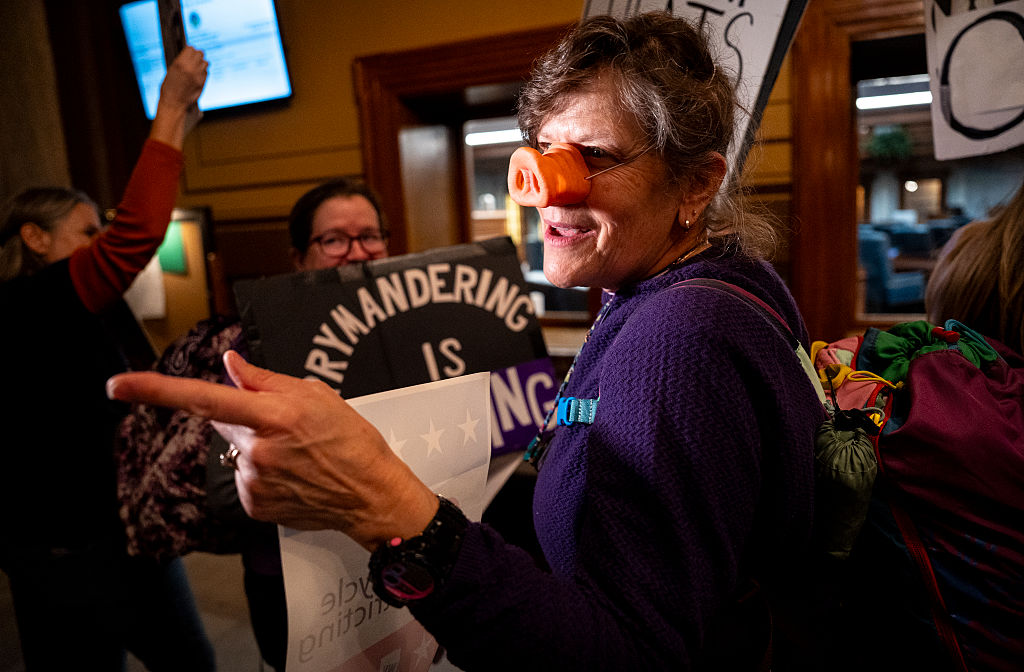
STATEWIDE — Purdue political science professor Martin Sweet spoke with WIBC’s Tony Katz about Tuesday’s Indiana primary, including Republican Senate races and the impact of redistricting tensions involving Senate President Pro Tempore Rod Bray.
“I think they expected the value of any losses to be close to zero given the focus of the Trump administration on the state of Indiana and Rod Bray’s failure to provide redistricting,” Sweet said.
Sweet said expectations going into the night were low for Republican losses.
“I thought maybe two seats would have been a really good night for the White House,” he said. “Take out two and you feel good, and 95 to 97% of the time you’re going to win. To get five, maybe six, that’s significant.”
He pointed to the scale of the outcome, comparing it to major political shifts.
“That is the equivalent of the 1994 Republican takeover of Congress,” Sweet said. “It is the equivalent of the 2010 backlash against Barack Obama.”
Sweet added that 21 Republican state senators had opposed redistricting tied to President Trump’s push, and said the primary results were a direct political response.
“If you look at 21 and 19, and you go back to that district info, if you throw the incumbents who lost and put in the new folks, you’re probably somewhere in that sort of 24–16 range,” he said.
He also pointed to the cost of some of the races and the framing around loyalty to the president.
“This guy spent like $3.5 million here to go against the president of the United States,” Sweet said. “Look at the message here. Hoosiers supported what the president wanted to do toward redistricting.”
Sweet said the results raise questions about leadership alignment within the state Senate Republican caucus.
“If you can’t support that, how can you say you lead Hoosier Republicans in the Senate?” he said, referencing Rod Bray’s role as Senate leader.
He also said the pattern fits long-term trends in U.S. elections.
“In a midterm, the opposition party wins seats almost every time,” Sweet said. “That has happened in every election in the last 110 years other than three times.”
Looking ahead, Sweet said the results could reshape internal party dynamics while also giving Democrats a potential opening.
“To the extent these folks who won are more extreme, they appeal to a different primary constituency,” he said. “Democrats should be feeling pretty good going into this, because what you’re playing for is the middle voter.