Gen Z Revives Mall Culture With Social Shopping Boom
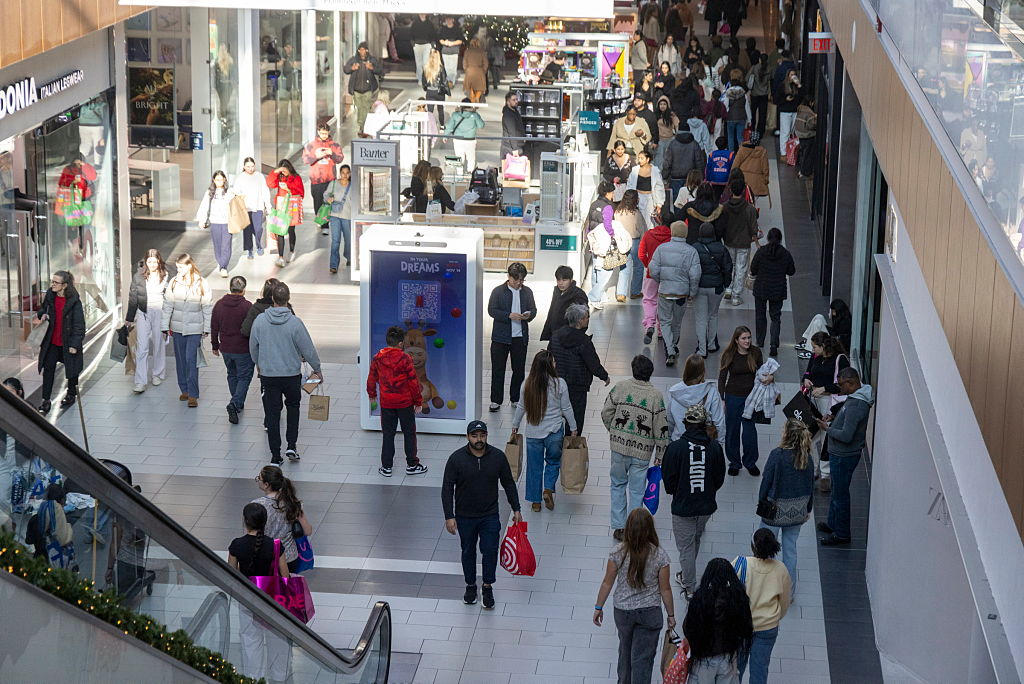
Shopping malls, once a central hangout for teens in the ’80s and ’90s, are making a comeback. This revival is being driven largely by Gen Z, who are increasingly drawn to in-person experiences and social interaction instead of relying solely on online shopping.
Annabelle Saco, 24, from Bloomfield, Michigan, splits her shopping between online platforms and malls. Recently, she’s noticed more people her age returning to physical retail spaces.
“The mall is an experience,” Saco told USA TODAY. “You go there and you see all different kinds of people and its just getting out of your isolation in your home.”
For Saco, malls also offer practical benefits. Shopping in person allows her to get items immediately and avoid the hassle of returning online purchases. With sizing differences across brands, trying clothes on in-store helps her find a better fit.
More Gen Z shoppers are at malls
Consumers like Saco are a major factor behind rising mall traffic.
Data from Placer.ai—which analyzes millions of devices using machine learning to estimate store visits—shows indoor mall visits increased 4.5% in January and February compared to the same period last year.
“The resurgence of the mall category directly correlates with Gen Z shoppers’ desire for community and in-person connection,” Elizabeth Lafontaine, director of research at Placer.ai, told USA TODAY. She added that mall retailers are leveraging social media to engage Gen Z both online and in-store, as younger shoppers use these platforms for trend discovery and sharing recommendations.
According to Circana, shoppers aged 18 to 24 made 62% of their general merchandise purchases in-store last year. By comparison, those aged 25 and older made 52% of their purchases in person.
Looking ahead, Gen Z’s spending power is expected to reach $12 trillion annually by 2030, based on projections from NielsenIQ and World Data Lab.
West Coast Gen Z leads mall visits
Gen Z’s presence in malls is growing rapidly, with their share of foot traffic rising 57% year over year, according to PwC.
However, their return isn’t universal across all types of malls, said Ali Furman, PwC’s U.S. consumer markets industry leader. Instead, Gen Z shoppers are gravitating toward value-focused malls—those that feature brands commonly found in suburban strip centers rather than high-end luxury retailers.
Regional differences are also emerging. On the West Coast, Gen Z is visiting malls more frequently, with California seeing the largest increase—a 62% jump in foot traffic, Furman noted.
“The simple experience of shopping in person feels novel,” Furman said. “It is a sensory and social experience they can’t replicate through their screens.”
She added that Generation Alpha—those aged 13 and younger—may soon follow Gen Z in driving this shift back to malls.
Social spaces draw Gen Z in
Beyond shopping, Gen Z is seeking connection—and malls are adapting.
A Lightspeed Commerce survey of 3,000 U.S. and Canadian shoppers found that 75% of 18- to 24-year-olds say “third spaces” like cafés, lounges, or social areas influence where they shop. USA TODAY received an exclusive preview of the findings.
Dax Dasilva, CEO of Lightspeed Commerce, said Gen Z’s preference for in-person interaction is tied to growing up during the pandemic, which shaped their social experiences.
“This stems from this generation growing up a lot during the pandemic and having a very different reality than most of us,” Dasilva told USA TODAY.
Many Gen Z shoppers now view malls as a place to meet friends and combat feelings of isolation. In fact, 67% of survey respondents said stores with social or community features help them feel less alone.
This shift presents an opportunity for retailers to go beyond selling products and instead create engaging, social environments that encourage people to linger.
Retailers rethink the mall experience
Retailers are taking note of these changing preferences.
In Brooklyn, New York, retailer WOODstack is expanding its concept by combining shopping with dining. The store is partnering with a chef to open a restaurant connected to its retail space, according to Jude Sainjour, the company’s head buyer and divisional merchandise manager.
“Opening this space is us just doubling down and elevating that concept of creating that community,” he said. “People don’t want to feel super transactional anymore.”