How A Deal Can Be Made With No Iranian Leader
- Deception is about creating a narrative, not just lying.
- The US often tries to be transparent, but this can be a weakness.
- Trump's willingness to talk to adversaries reflects caution, not weakness.
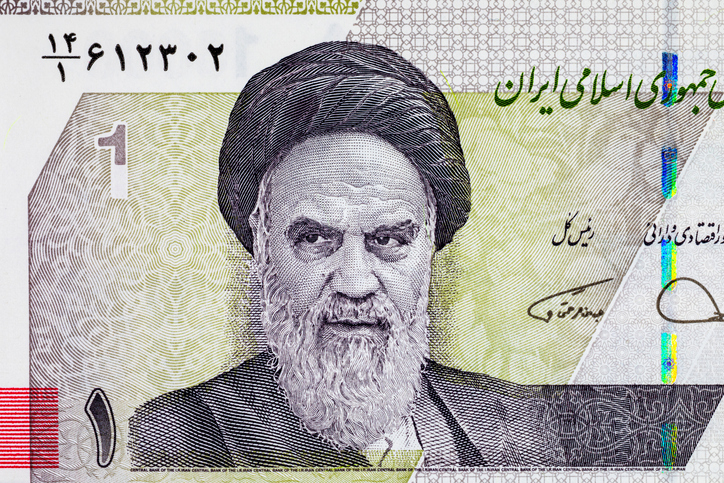
How A Deal Can Be Made With No Iranian Leader
In the world of international relations and national security, deception is a crucial aspect of warfare. It’s a concept that’s often misunderstood or overlooked, but it’s a vital tool in the arsenal of any nation seeking to protect its interests. Tony Katz is joined by Steve Yates, Senior Research Fellow on China National Security Policy at the Heritage Foundation, to explore the art of deception in warfare and its implications for the United States.
Steve Yates brings a wealth of expertise to the conversation, having worked in the White House during the George W. Bush administration and having a deep understanding of the complexities of international relations. He shares his insights on how nations like China and Iran use deception to achieve their goals, and how the United States can learn from these tactics.
One of the key takeaways from our conversation is that deception is not just about lying or manipulating information, but about creating a narrative that serves a nation’s interests. As Steve puts it, “They only look at is it useful? Is it moving or manipulating a target? Is it dividing an enemy?” This approach is not unique to China or Iran, but it’s a common thread throughout history, from ancient civilizations to modern-day nations.
Steve also highlights the importance of understanding the context in which deception is used. In the case of the United States, he notes that we often try to conduct warfare in a way that’s transparent and honest, but this can be a double-edged sword. “When you live in a globalized and instant information society, you don’t speak to only one audience,” he explains. “You have to be aware of that and try to figure out are there options that can make us less vulnerable”
The conversation also touches on the topic of President Trump’s approach to diplomacy, particularly in his dealings with Iran. Steve offers a nuanced perspective, pointing out that the President’s willingness to pull back and talk to people that others would refuse to talk to can be seen as a sign of caution and pragmatism. However, he also notes that this approach can be misinterpreted as a sign of weakness.
Throughout the episode, Steve provides a wealth of insights into the world of national security and international relations. He challenges listeners to think critically about the way we approach warfare and diplomacy, and to consider the complexities of the global landscape.
If you’re interested in understanding the art of deception in warfare and its implications for the United States, this episode is a must-listen. Steve Yates’ expertise and insights offer a unique perspective on the complexities of international relations and national security. Listen to the full episode to hear more about the art of deception, the importance of context, and the challenges of navigating the global landscape.
Listen to the “How A Deal Can Be Made With No Iranian Leader” discussion in full here:
Listen to the show in full here:
Watch the show here:
Archived episodes here:
ABOUT THE SHOW
Tony Katz Today airs from 12-3pm ET on 93.1 WIBC/Indianapolis
What are we talking about? Politics, breaking news, political theory, art, the markets, food, libations and whatever else may come to mind.
PLEASE SUBSCRIBE TO THE PODCAST
Tony Katz Today on Apple Podcasts