What Happens In The Strait Of Hormuz Affects US
- Strait of Hormuz accounts for 27% of world's oil supply, disruptions have far-reaching economic consequences.
- US not self-sufficient in oil, exports much of its own production, limiting domestic benefits of higher prices.
- Russia benefits from higher oil prices, while China finds ways to circumvent disruptions, complicating global response.
What Happens In The Strait Of Hormuz Affects US
The recent surge in oil prices has left many wondering what’s behind the sudden increase. In this episode of our podcast, we explore the intricacies of the global oil market and how it’s affecting the US economy. Tony Katz is joined by E.J. Antoni, a chief economist at the Heritage Foundation, who breaks down the complex web of politics and economics that’s driving the oil market.
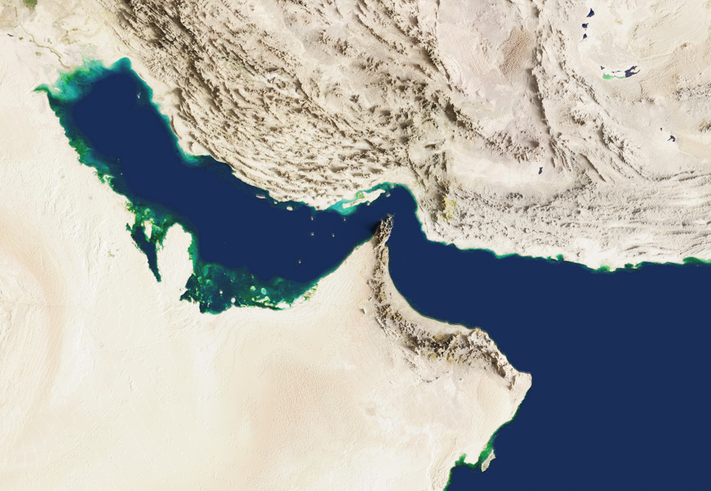
One of the key issues at play is the Strait of Hormuz, a critical waterway that accounts for 27% of the world’s oil supply. Nobody knows exactly how this thing is going to play out. We don’t know what it’s going to be like six days from now, let alone six weeks. The Strait’s importance is evident in the fact that even a temporary disruption can have far-reaching consequences for the global economy.
The US is not immune to these effects, with oil prices already up a dollar a gallon. If this stays for months with us, that’s a problem. The impact on the Republican Party’s chances in the midterms is also a concern, as high oil prices can be a significant burden on American families.
But the situation is not just about the US; it’s a global issue. The Russians and Chinese are also affected, with the Russians benefiting from the increased oil prices. Russia is actually increasing exports, selling more oil at much higher prices. This is a significant windfall for Vladimir Putin and his regime, which is not good news for the West.
The Chinese, on the other hand, are finding ways to circumvent the disruption. Despite the Strait being closed, Iran is still exporting oil to China, with estimates suggesting that they’re actually exporting more oil now than before the conflict began. This is a concerning development, as it highlights the complexities of the global oil market and the challenges of addressing the issue.
The episode also touches on the idea that the US is not entirely self-sufficient when it comes to oil. We actually already export a lot of our oil. Most of the refineries in the Gulf region aren’t even optimized to handle light sweet crude like Texas oil. This means that even if the US is producing more oil, it’s not necessarily benefiting the domestic market.
Listen to the “What Happens In The Strait Of Hormuz Affects US” discussion in full here:
Listen to the show in full here:
Watch the show here:
Archived episodes here:
ABOUT THE SHOW
Tony Katz Today airs from 12-3pm ET on 93.1 WIBC/Indianapolis
What are we talking about? Politics, breaking news, political theory, art, the markets, food, libations and whatever else may come to mind.
PLEASE SUBSCRIBE TO THE PODCAST
Tony Katz Today on Apple Podcasts