The Collapse of Indiana Rental Safety
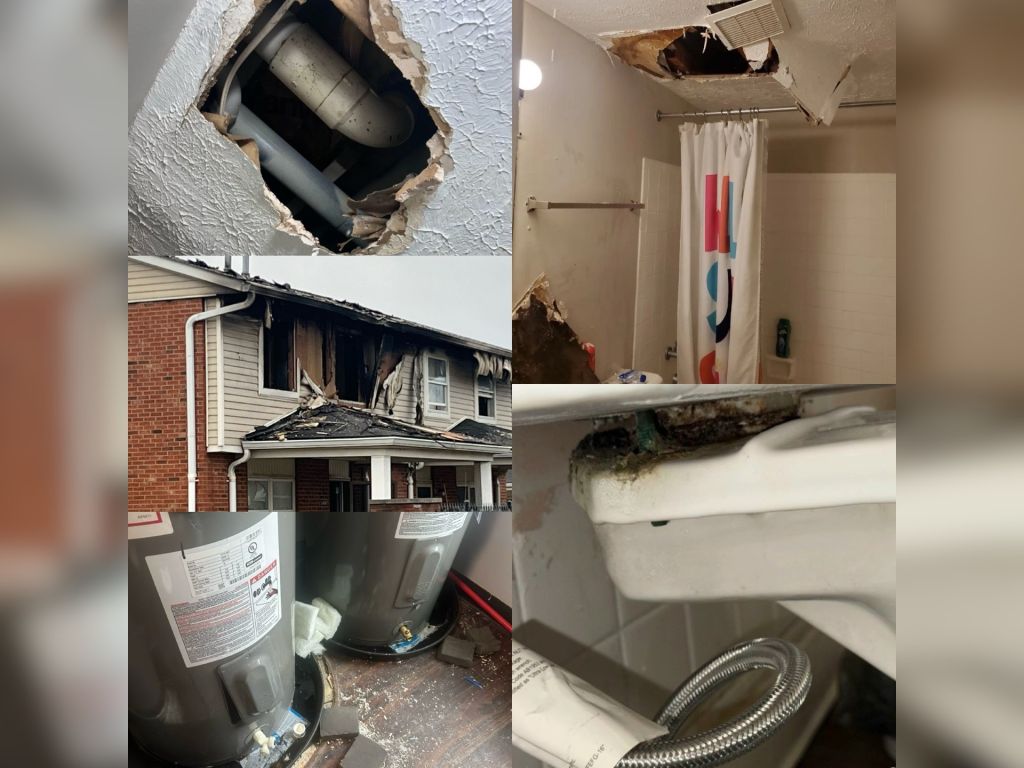
INDIANAPOLIS, IN – An ongoing investigation into Indiana’s rental market has uncovered a systemic failure that leaves thousands of Hoosiers living in “third-world” conditions.
Following a huge public response to social media reports, a list of over 180 properties statewide has been compiled, revealing a landscape of black mold, pest infestations, and criminal corruption. This report synthesizes resident testimonials, legal filings from the Attorney General’s office, and exclusive insights from recorded interviews with the Indiana Protection Unit and other unnamed sources.
The “Cries for Help”: 180+ Properties Under Fire
From Carmel to Michigan City, tenants describe a state that protects property owners while leaving families in hazardous environments. The following testimonials represent a fraction of the 180+ documented cases of neglect:
Medical & Environmental Hazards:
Castleton Manor: A resident 8 weeks pregnant reported being without hot water for 9+ days next to leaking water tanks and mold that management refused to replace.
The Vineyards (Lawrence): Reports of black mold left untreated for months and water pipes that “pop” whenever temperatures approach freezing.
Buckridge Apartments: An elderly neighbor sat in a flooded apartment for a week; another resident reported mushrooms growing from under the dishwasher.
Arts on 10th: Residents documented bedbug infestations and “pinworms in the water” as far back as 2016.
The Psychological Toll of Infestations:
Meridian South: Former tenants describe “roach trauma”—a lasting psychological state where any movement on a floor triggers panic.
Legend at Speedway: A resident reported roaches crawling from an abandoned neighbor’s door into their unit within a week.
Parkhaven (East Side): A mother found her child playing with a dead mouse while the unit sat without air conditioning for months during the summer.
Structural Decay & Neglect:
Stone Lake Lodge (Beech Grove): Residents are living in units with missing walls, animal feces, drug needles, and “brown stagnant water” in laundry machines.
Aragon Woods: 1980s-era electrical systems that spark and fry appliances. Tenants were told to “squeeze the plugs” on cords to make them fit into loose outlets.
Michigan City: Squirrels and raccoons have lived in walls for over a year because the landlord refuses to fix the crumbling foundation.
Chateau in the Woods: Residents on the 3rd floor went a week without AC in peak summer; sliding glass doors have gaps so large they must be taped shut to keep out the elements.
The “Luxury” Illusion:
Gramercy (Carmel): Despite the location, residents report mice, mold, and rising crime.
Deer Chase (Noblesville/Fishers): Management keeps raising rent while providing only one trash compactor for over 400 units.
The Trailer Park Crisis: Owners in mobile home parks report “lot rent” predatory spikes—rising from $730 to $830 in mere months with zero maintenance provided.
Case Study: City View on Meridian
What was marketed as a “renovated” urban experience is now described by tenants as a struggle for survival.
Bait-and-Switch: Residents are shown a pristine model, only to move into a unit filled with rust, mold, and roaches emerging from electrical outlets.
Harassment & Theft: Video evidence recently exposed office staff opening private Amazon packages. Furthermore, multiple reports allege maintenance workers “overly sexualize” female tenants, leading to targeted retaliation against those who complain.
The Georgetown Crisis: Squatters & “Shadow Leases”
An unnamed source detailed how a subsidized housing complex for single mothers and the elderly has been overtaken by lawlessness.
The Takeover: Groups of young men monitor the property and “watch every move” of legal residents. Squatters are reportedly kicking in doors of vacant units—and sometimes occupied ones—to claim them.
Illegal Renting: Residents say that individuals are claiming to “own” government buildings, renting out units via “shadow leases” on their phones, and pocketing the cash.
Staff Corruption: A resident described a site worker wearing an ankle monitor who bragged about seeing residents’ private financial files. Residents claim management is aware of the squatters but refuses to provide the IMPD with the “vacant unit list” required to clear the property.
Legal Action: The Lake Castleton Lawsuit
Attorney General Todd Rokita filed a civil lawsuit against Lake Castleton Apartments and its out-of-state management, Pepper Pike Property Management, saying that the complex systematically ignored critical repairs while tenants lived in squalor.
The lawsuit points to a staggering 132 health code violations, including sewage backups, mold, and air conditioning failures, with the state contending that management allowed these citations to go unchecked for 60 to 90 days by using the court system as a delay tactic. As a result of this extreme neglect, the property was officially placed into receivership on October 3, 2025. The Attorney General is now seeking full financial restitution for the impacted tenants along with civil penalties of up to $5,000 per violation.
The Institutional Rot: Indianapolis Housing Agency (IHA)
The IHA, meant to be the safety net for the poor, is facing a total administrative collapse and federal receivership.
- The Financial “Black Hole”
For years, the IHA operated in a state of financial insolvency. Federal and state auditors found a total breakdown in internal controls dating back to 2016.
The Missing Millions: In a February 2026 congressional subcommittee hearing, it was revealed that $30 million is missing from the agency’s books, with no clear record of where the funds were spent.
Misappropriation: Auditors have investigated “misappropriation of funds,” including property loans signed without proper oversight and contracts let through questionable processes.
Insolvency: By 2022, federal officials labeled the agency “insolvent,” meaning it literally did not have the cash to pay its mounting bills.
- Signs of Corruption & Mismanagement
While “corruption” is a heavy legal term, investigators and lawmakers have pointed to specific behaviors that suggest more than just “bad luck”.
The “Ghost” Records: HUD’s Office of Inspector General found that IHA wrote off nearly $200,000 in accounts receivable and deleted adjustments to accounts payable without any documentation to support why.
Sham Ownership: State investigations uncovered “sham nonprofit owners” and complex property deals that allowed projects to fall into dangerous disrepair while taxpayer money continued to flow.
Administrative Retaliation: Tenants reported being afraid to complain about living conditions for fear of retaliation from IHA management, creating a culture of silence that allowed problems to fester.
- Human Impact: The “Lugar Tower” Scandal
The Richard G. Lugar Tower became the face of IHA’s failure. Despite a $30 million public-private partnership intended to renovate the building, conditions became “harrowing”:
Sanitation: Stairwells were reportedly used as toilets by unauthorized trespassers because the building lacked basic security.
Basic Needs: Elderly and disabled residents endured years without consistent hot water or working elevators. In some cases, power outages prevented residents from even charging their electric wheelchairs.
Violence: Residents reported rampant drug use in public areas and frequent shootings and stabbings within the complex.
- The Federal Takeover (April 2024–Present)
The situation grew so dire that in April 2024, the U.S. Department of Housing and Urban Development (HUD) and the City of Indianapolis stripped IHA of its independence.
Receivership: HUD installed a federal commissioner to replace the board and launched a forensic audit.
New Leadership: Yvonda Bean was brought in as CEO in early 2025. Bean is a specialist in “rehabilitating” troubled housing agencies, though she has faced immediate crises, including a projected 2025/2026 funding shortfall that threatened to terminate Section 8 vouchers for thousands of families.
Liquidation: As part of a stabilization plan, the IHA board recently approved the sale of seven major properties, including Hawthorne Place and Laurelwood Apartments, to generate cash and offload troubled assets.
On February 10, 2026, the House Financial Services Subcommittee on Oversight and Investigations held a formal hearing to address systemic mismanagement and safety failures at Public Housing Agencies (PHAs).
The Outcome: What Happens Now?
The hearing was not just for show; it resulted in several immediate legislative and regulatory actions:
New Settlement Agreement: The Indiana Attorney General’s office revealed it has signed a second settlement agreement with the owner of Lugar Tower. This agreement imposes stricter, more transparent reporting:
48-Hour Reporting: IHA must report security incidents within two days.
Public Monthly Reports: IHA must provide written status updates that can be filed publicly.
Unannounced Inspections: The state now has the right to 12 unannounced inspections per year.
The “Housing for the 21st Century Act” (H.R. 6644): Partially fueled by the IHA testimony, the House passed this bill on February 9, 2026 (390-9). Title V of the act, “Enhancing Oversight of Housing Providers,” specifically targets the types of waste and mismanagement seen in Indianapolis.
Forced Asset Sales: As part of the ongoing stabilization effort discussed, the IHA board recently authorized the sale of several troubled properties to generate cash and transition residents to better-managed facilities.
HUD Policy Shift: The hearing has led to a push for the NSPIRE inspection standards to be updated to include mandatory mold and moisture protocols, directly citing the neglect found in IHA-managed units.
Inside the Investigation:
Speaking with some sources on the inside who oversee the housing market, a source confirmed that complaints have doubled over the last few years. They provided a “patchwork” strategy for tenants seeking accountability:
Contact the Property Manager First: Many owners are out-of-state business parks. Start with the local manager to create a paper trail.
Health Department Records: Filing a complaint builds a “paper trail” that the AG’s office uses to build cases like Lake Castleton.
Emergency Violations: No heat in winter is an “emergency violation.” The health department will pursue court proceedings much faster for heat than for minor infestations.
Small Claims & Counterclaims: Use maintenance logs, emails, and rent portal screenshots as evidence in small claims court to defend against collections or seek repair orders.
Resources for Affected Tenants:
If you are living in these conditions, take these steps immediately:
Marion County Health Department: Call (317) 221-2000 to report health code violations.
Indiana Consumer Protection: File a formal complaint at indianaconsumer.com.
Fair Housing Center (FHCCI): For sexual harassment or retaliation, visit fhcci.org.
Legal Aid: Contact Indiana Legal Services at (317) 631-9410.
The Indianapolis Housing Agency along with multiple apartment communities were contacted for comment in regard to this story and claims and no response was provided.