State Police: Don't Drive Like a Knucklehead
State Police on Driving in Winter Weather: Don’t Drive Like a Knucklehead
- Slow down and increase following distance, as all-wheel drive does not guarantee control on snow/ice.
- Ensure tires have adequate tread depth and consider winter tires for better traction.
- Prepare an emergency kit and clear snow/ice from windows, lights, and roof to see and be seen.
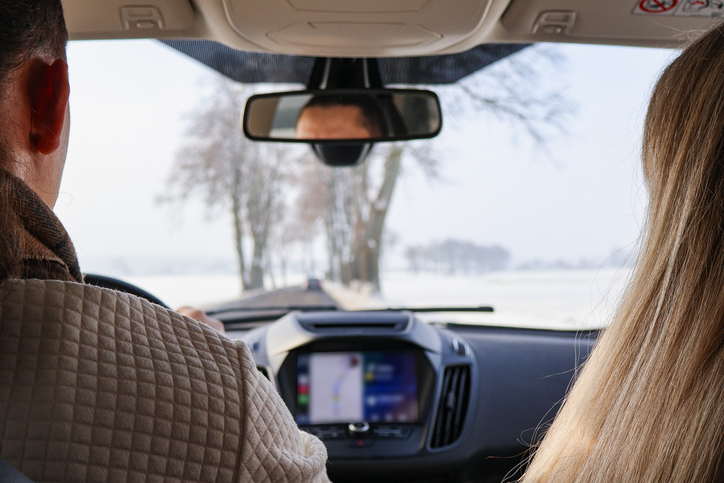
STATEWIDE–Driving in the upcoming winter weather will pose some challenges and Indiana State Police Sergeant John Perrine is reminding you about some safety tips to follow, especially when the snowfall gets heavy.
“Just simply don’t drive like a knucklehead. When you have to get out and drive in this, keep safety at the forefront of your mind and be respectful of other drivers,” said Perrine Thursday morning.
Perrine says you may have some fancy technology in your vehicle, but that can’t always protect you in a big snowstorm.
“Some people are naive about having all wheel drive or four wheel drive. They think that because they have that they can drive faster. We have just as many or more all wheel drive vehicles slide off into ditches than we do other vehicles. It’s that false sense of security that because you have some technology in your car that you can drive faster than you really should be,” said Perrine.
One of the most important things on your vehicle you’ll need to work is your tires.
“If you’re questioning whether or not your tires are good enough to drive in this, then the answer is probably not. I know tires aren’t cheap, but you’ll need them to work at the best level they can,” said Perrine.
Perrine says the biggest problem he’s noticed in his 23 years as a law enforcement officer is that people drive too fast for the conditions and they are in a hurry.
“They get impatient with other drivers who might be wanting to drive a little bit slower and they end up crashing. The name of the game is just to slow down,” said Perrine.
When snow does fall, snowplow drivers will need to do their work to clear the words. Perrine advises you not to get in their way.
“Give them all the room they deserve. They are doing the very best they can to clear that snow to make the roads more passable for us. But when they have to slow down and they are impeded by drivers who are driving too aggressively, all that does is make the roads unsafe for everybody else,” said Perrine.
Here’s more of what State Police recommend you do when snow arrives:
What can you do now?
-Tires – As outside temperatures drop, so does the tire’s inflation pressure. Ensure your tires are correctly inflated to the recommended pressures. To find the recommended pressure for your vehicle, check the label on the driver’s side door jam or in the owner’s manual. Don’t use the tire pressure listed on the tire’s side, as this is generally the maximum pressure, not the recommended pressure. The tread should be at least 2/32 inch or greater on all tires. Remember your spare!
-Snow tires? – All-weather tires are great for everyday use, but tests have shown that snow tires can significantly increase your traction on snow and ice compared to all-season tires. All-wheel drive, traction control, and other computerized systems on your car are great for helping to maintain or regain traction, but they won’t increase your traction.
-Battery – Your car’s battery is also negatively affected by cold temperatures. Now is an excellent time to check your battery and charging system.
-Wipers – Worn or damaged wipers are no match for snow and ice. Check and replace them if needed.
-Wiper Fluid – It is easy to empty your washer reservoir during heavy snow or on a slushy roadway. Make sure to top it off now with a winter-grade fluid.
-Emergency Kit – Crashes, breakdowns, and getting stuck on an unplowed road can happen even for the safest drivers. Don’t be caught off-guard; have an emergency kit with a blanket, flashlight, jumper cables, road flares, or emergency lights available. You may also want to pack a small shovel and some kitty litter or sand to help get “unstuck.”
When you hit the road.
-Ensure you dress appropriately when headed out: coat, gloves, hat? That quick trip to the store could turn into an hour’s wait for a wrecker or to dig yourself out.
-Clear your windows and lights of snow / ice and make sure you can see and BE SEEN.
-Leave early.
-Slow down.
-Increase your following distance. Instead of your normal 3-second distance, increase it to eight or ten seconds on slick roadways.
-Accelerate and brake slowly and smoothly.
-Turn off your cruise control.
-Buckle UP / Phone Down