Holiday Debt Hangover
STORY TAKEN FROM WISH-TV
INDIANAPOLIS (WISH) — After weeks of gift-buying, travel, and celebrations, the reality of the holiday season is beginning to land in mailboxes across Indiana.
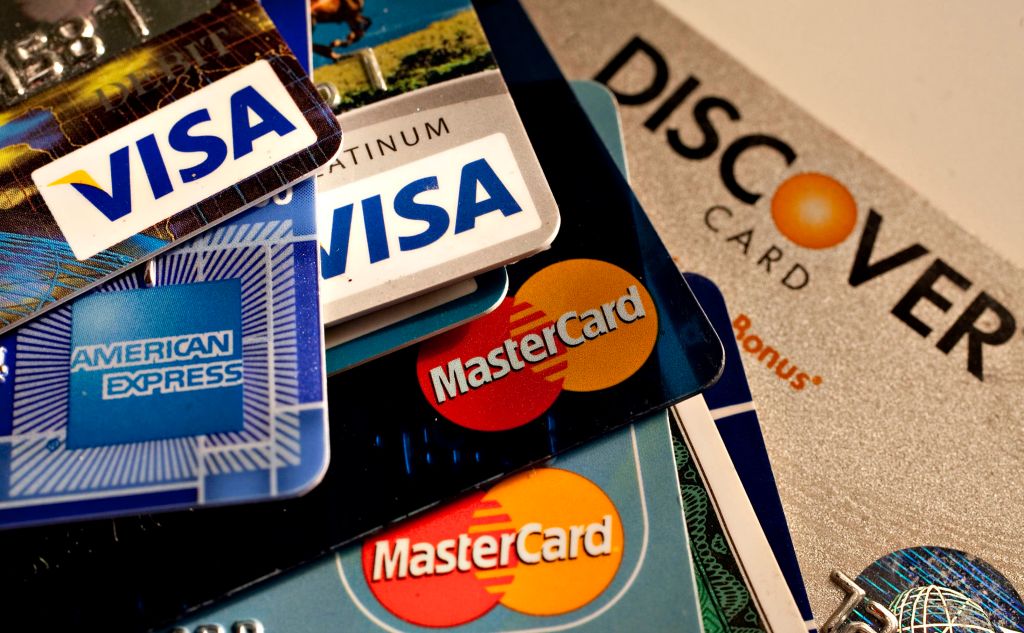
As credit card bills arrive, many shoppers are discovering that “putting Christmas on plastic” has led to a significant debt hangover. Data shows that spending for the 2025 holiday season jumped 4-6% over last year, totaling a staggering $1.1 to $1.3 trillion nationwide.
Colton Cooley, Senior Vice President of Consumer Lending Sales at First Merchants Bank in Indianapolis, told News 8 that when shoppers don’t have cash on hand, they lean on credit. In fact, 60% of shoppers used credit cards to finance their holiday purchases this year. “About 46% of cardholders have a balance they don’t pay off in full each month,” Cooley said. “That means high-interest charges are added onto those balances.”
The financial strain is exacerbated by a lack of preparation; Cooley noted that half of all parents do not save year-round for holiday expenses. This lack of a safety net often turns temporary cheer into a long-term financial burden.
“Short-term holiday spending turns into long-term debt,” Cooley explained. “If a family only makes minimum payments, those interest charges can stretch the repayment for months or even years. It can turn a $1,000 balance into thousands in interest over time.” The problem isn’t just new debt, either. According to Cooley, 1 in 3 shoppers still hadn’t paid off their debt from the 2024 holiday season late into 2025.
If you are feeling the pinch of high balances or facing declined transactions, Cooley says it is not too late to get back on track. He recommends starting with a “clear inventory” of what you owe—listing every balance, interest rate, and due date to create a realistic repayment plan.
Financial experts generally suggest two primary strategies for tackling debt:
The Avalanche Method: Prioritizing payments on cards with the highest interest rates first to save money over time.
The Snowball Method: Paying off the smallest balances first to gain “small wins” and build momentum.
Cooley’s biggest piece of advice for the New Year? Don’t wait. “Seek financial help early,” Cooley said. “Do not wait until it is too late.”