IPS Superintendent Responds to Reform Plan
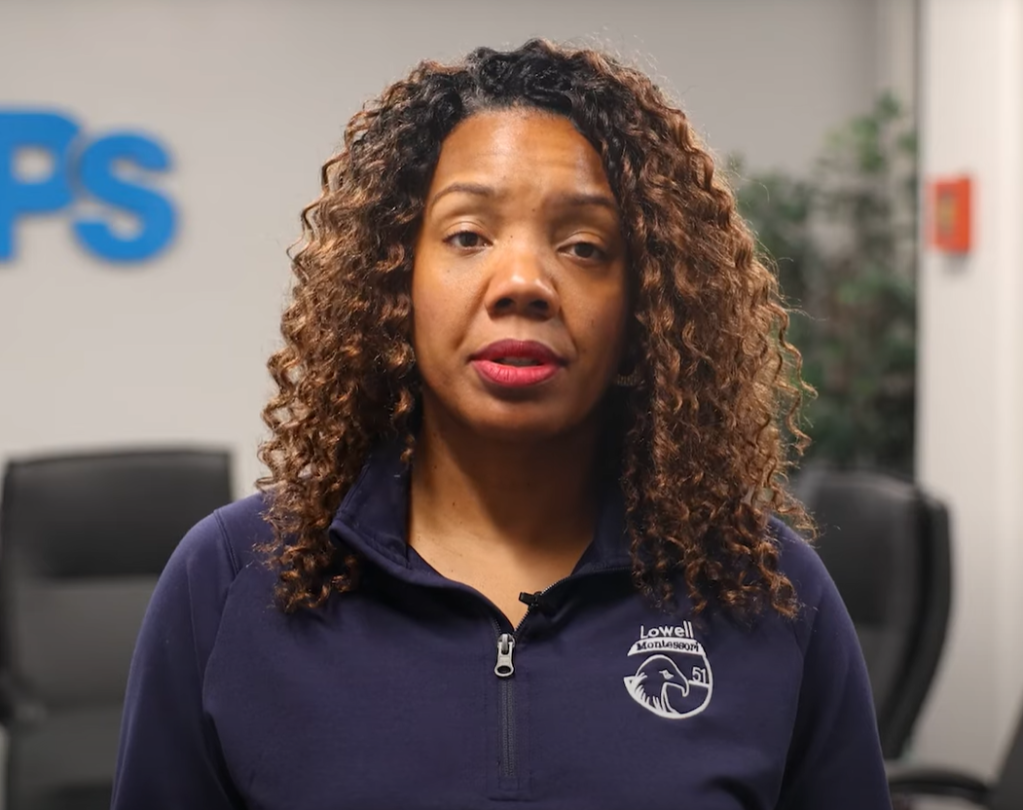
INDIANAPOLIS — Indianapolis Public Schools Superintendent Aleesia Johnson is responding to an 8–1 vote by an education alliance committee that approved a set of recommendations aimed at reforming the city’s public education system. The recommendations will now move to state lawmakers for consideration.
In a video response posted by IPS, Johnson focused on the proposal for mandatory transportation participation, calling it a necessary step to improve equity and reliability for families.
“I’ve heard this message over and over again for the last six months,” Johnson said. “If a school benefits from the public transportation system, they must also share in the cost.”
Under the proposal, traditional public schools, innovation schools and charter schools would all be required to participate in and help fund a unified transportation system. Johnson said mandatory participation would promote “fairness, efficiency and reliable service for families across our district.”
She also endorsed penalties for schools that choose not to participate.
“The penalty for not participating in the system should result in the forfeiture of a school’s share of property tax dollars,” Johnson said.
Johnson additionally addressed recommendations to limit the number of charter school authorizers operating within IPS boundaries, saying it would create a more stable and coordinated system.
“Empowering more coherent decision-making by limiting charter authorizers is important,” she said. “It creates a more stable and coherent system.”
She said charter approval authority within district boundaries should be limited to the Mayor’s Office of Education Innovation and the Indiana Charter School Board, with IPS school commissioners playing a role in the process.
“Members of our community are best positioned with the knowledge of our community’s needs,” Johnson said. “They should be responsible for considering any new school and creating shared accountability.”
The education alliance committee’s recommendations will now be reviewed by state lawmakers, who would ultimately decide whether to enact the proposed reforms