Zionsville Sewage Crisis: Town Ignored 20 Years of Warnings
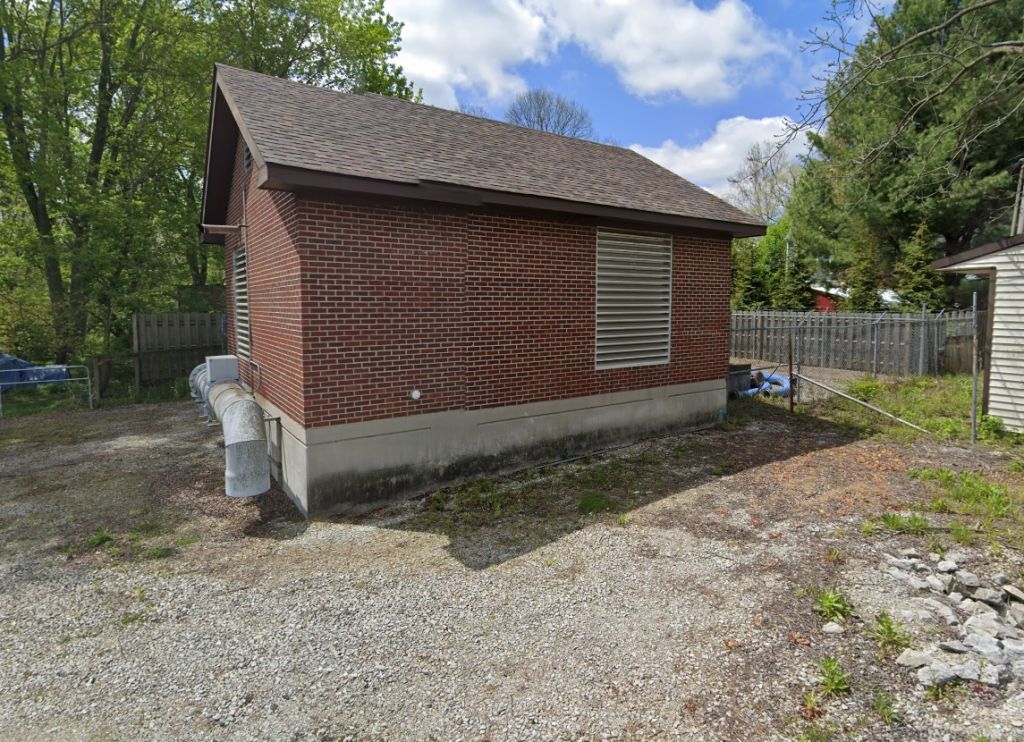
ZIONSVILLE, IN — The Zionsville Wastewater Treatment Plant (WWTP), nestled near Starkey Park and the Rail Trail, is currently operating at a capacity it was never designed to handle. This crisis is leading to environmental contamination risks, severe odor problems, and significant public safety hazards. Critics are calling for immediate intervention, demanding the town halt a costly $21.5 million expansion and instead pursue the regional solution its own planning documents have long recommended.
A Crisis Built on Ignored Planning
The Zionsville WWTP was built in 1956 for a small community of under 2,000 residents. Though repeatedly modified, it is fundamentally ill-equipped to serve a current population now exceeding 30,600. The current crisis, critics charge, stems from officials taking short-cuts and consistently ignoring their own planning studies for years.
19 Years of Warnings: The 2003 Zionsville Comprehensive Plan and the 2011 Sanitary Sewer Master Plan both clearly indicated that the plant’s 2.0 MGD capacity would be exceeded by 2020 and that a second WWTP would be necessary as development continued.
The Ignored Deadline: The 2011 plan explicitly stated that the current plant could not be improved to serve the projected 21,000 population figure—a threshold the town is now significantly past. The plan’s conclusion: a new facility had to be constructed, or a partnership formed. All trouble began in 2019, precisely when the system became critically strained.
Conflict of Statements: The Town’s intent to finance the expansion via Resolution 2025-21 is directly challenged by an internal November 2025 Barnes and Thornburg Memorandum which states, “At this time no overall plant capacity expansion is required.” This directly conflicts with the official November 2024 Rate Study, confusing residents and raising questions about funding assumptions. This systemic refusal to address the capacity issue is described by critics as applying a “band-aid” to a decades-old problem, potentially to keep money flowing and eventually sell the utility to a private entity like Citizens Energy.
Critical Consequences of the Outdated System
The practice of managing capacity through long force mains and lift stations has severe consequences that residents are currently facing:
Noxious Odors: Sewage forced through excessively long mains becomes stagnant, or “septic,” creating Hydrogen Sulfide gas. Noxious fumes are frequently released from vent piping, degrading the quality of life for residents in the Zionsville Village area, Sugar Bush Subdivision, and users of the Rail Trail.
Safety Risks & Flooding: The Village lift station (420 S 4th Street) and the plant’s four polishing ponds are located within the FEMA 100- and 500-year flood plains. A significant flood event could disable the system and expose the Eagle Creek watershed and potential drinking water reservoirs to vast amounts of untreated wastewater.
Bypass Overflow Events: The aging system has suffered multiple documented leaks and overflow events, including a 25,000-gallon force main break that reached the Starkey Branch Creek in 2023 and several large bypasses at the plant itself in 2022.
Regulatory Failures and Biosolids Hazards
Further complicating the issues are severely outdated procedures for biosolids (sewage sludge) handling. The repetitive handling and bulk storage conditions—visible from the Rail Trail—increase the risk of spillage and public exposure to contaminants like PFAS (forever chemicals), heavy metals, and pathogens. Adding to the controversy, changes made to the Zionsville WWTP since 2019, including site modifications and operational changes, were allegedly not properly disclosed during the 2023 NPDES permit renewal process, constituting a potential violation. A 2023 sludge spill complaint led to a delayed inspection by the Indiana Department of Environmental Management (IDEM) in January 2024, raising concerns about impartiality given a chief official in IDEM’s Wastewater Inspection Section was previously employed at the Zionsville WWTP.
The Compelling Case for a Regional Solution
The Town’s current $21.5 million expansion plan has been widely criticized for its lack of transparency and for ignoring a highly viable regional alternative that aligns with the spirit of the Town’s own prior planning documents: rerouting all Zionsville sewage to the Trico Regional Sewer Utility. (Formerly the Clay Township Regional Waste District (CTRWD), both names indicate the regional solution.) Advocates for the Trico solution argue it is the only path forward that respects the Town’s long-range planning, including the environmental warnings in the 2011 plan:
In terms of Capacity, the Zionsville expansion is considered only a temporary measure that will eventually be exceeded again, while the Trico option offers modern, scalable capacity built to handle current and future flow.
The Environmental impact is a major differentiator: the Zionsville plan risks wetland disruption, forest clearing, and erosion as explicitly warned against in a 2011 planning document. Conversely, the Trico solution eliminates environmental impacts within Zionsville parks and watersheds. This difference is compounded by Flood Risk; the existing Zionsville plant is dangerously situated in the 100- and 500-year flood plain, whereas the Trico option is located out of the flood plain and adheres to modern standards.
Financially, the Zionsville plan requires costly $21.5 million in capital spending and an accompanying 27.75% sewer rate hike. The Trico alternative offers lower operating costs and stabilized long-term rates due to economies of scale. Finally, regarding Stability, the Zionsville WWTP is deemed at risk of an eventual sale to private utilities, but the Trico Utility is an organized regional district that cannot be bought or sold, providing long-term security.
In conclusion, both the 2003 and 2011 official planning documents acknowledge the capacity limits and the environmental and financial challenges of expanding the existing system. The evidence in these plans directly supports the conclusion that moving all wastewater operations to Trico is the most efficient, responsible, and environmentally sound option—an option the Town’s own long-range planning has been pointing toward for two decades.
Call to Action
Residents and environmental advocates are now demanding immediate action from the Town of Zionsville and regulatory authorities. They are seeking a planned phase-out and immediate wastewater treatment takeover by the Trico Regional Sewer Utility to protect the community’s vital ecosystem and ensure public health and safety. The next meeting to discuss this in further details will be in the middle of December.