The Economic Impact Of The Iran War
- War often shifts economy from 'butter to guns', but Iran situation differs from past conflicts.
- Disruptions in Middle East trade could lead to short-term supply chain issues and price increases.
- Trump administration policies aim to enable data centers to produce their own energy, reducing reliance on utilities.
The Economic Impact Of The Iran War: A Conversation with Dr. Matt Will
As the world watches the escalating tensions between the US and Iran, many are wondering what the economic implications will be. Tony Katz is joined by Dr. Matt Will, an economist at the University of Indianapolis, to explore the potential effects of war on the economy.
Dr. Will makes it clear that historically, war has not been a positive force for the economy. “What they do is they shift the economy,” he explains. “You go away from the butter back into the guns.” He notes that the current situation with Iran is different from past conflicts, where war often led to increased economic activity. “I don’t think we look at what’s happening with Iran in that same kind of way,” he says.
One of the key concerns is the impact on supply chains. With many countries relying on imports from the Middle East, a disruption in trade could lead to shortages and price increases. Dr. Will notes that this is already happening, with some ships being diverted through longer routes to avoid the Strait of Hormuz. “It’s going to be a short-term pain for long-term gain,” he says. “The supply chain will be safer, but in the short term, there will be disruption.”
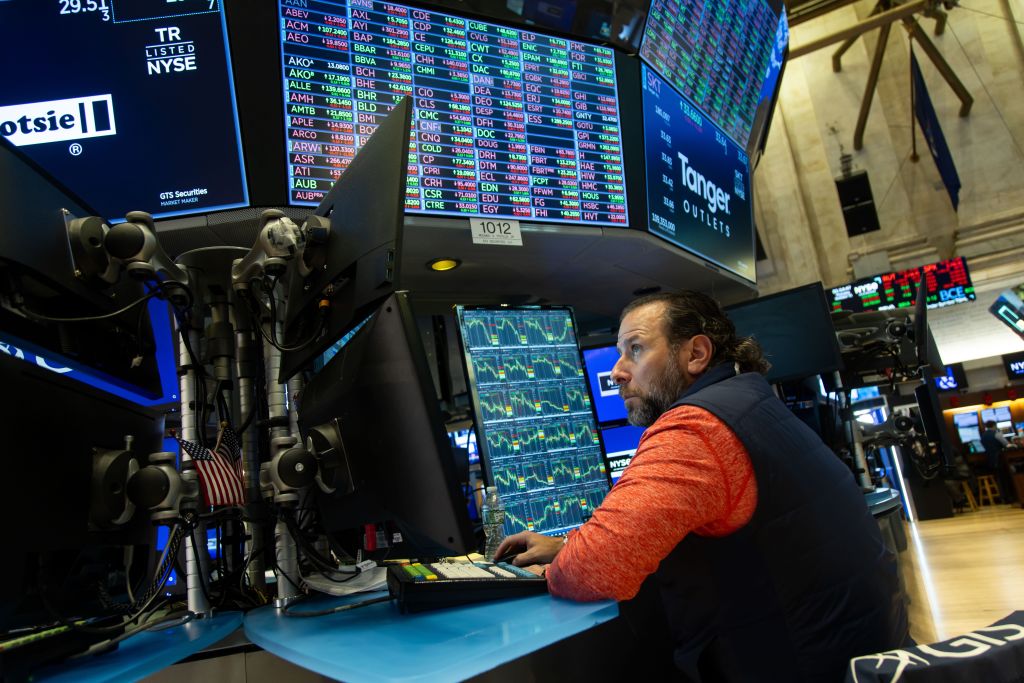
The market is also reacting to the tensions, with some volatility in the stock market. Dr. Will notes that the market is trying to “bake in” the uncertainty, but it’s a challenging task. “The market is just having a challenge right now getting all this information and putting it into the prices,” he says.
But Dr. Will is optimistic about the long-term prospects for the economy. He points to the recent uptick in productivity, which he attributes to the Trump administration’s policies. “Productivity was up five point two percent Q2, up four point two percent,” he notes. “I look back in history, I couldn’t find a five point two increase percent in productivity going back fifty years.”
We also discuss the recent executive order signed by President Trump, which aims to protect data centers from utility companies that have a monopoly on energy sales. Dr. Will explains that this is a significant development, as data centers are a growing sector that requires a lot of energy. “This is revolutionary because we’re going to have a three to four hundred percent increase in demand for electricity,” he says.
Dr. Will is enthusiastic about the potential for data centers to produce their own energy, which would reduce their reliance on the grid. “Let them produce their own energy,” he says. “Stop these regulations that ban them from producing their own energy, and that’s what Trump is doing.”
If you’re interested in understanding the economic implications of war and the potential benefits of data centers producing their own energy, this episode is a must-listen. Dr. Matt Will shares his expertise and insights on these critical topics, and offers a unique perspective on the current economic landscape. Listen to the full episode to hear more about the economic impact of war and the future of data centers.
Listen to the “The Economic Impact Of The Iran War” discussion in full here:
Listen to the show in full here:
Watch the show here:
Archived episodes here:
ABOUT THE SHOW
Tony Katz Today airs from 12-3pm ET on 93.1 WIBC/Indianapolis
What are we talking about? Politics, breaking news, political theory, art, the markets, food, libations and whatever else may come to mind.
PLEASE SUBSCRIBE TO THE PODCAST
Tony Katz Today on Apple Podcasts