How heating appliances have become an architectural statement
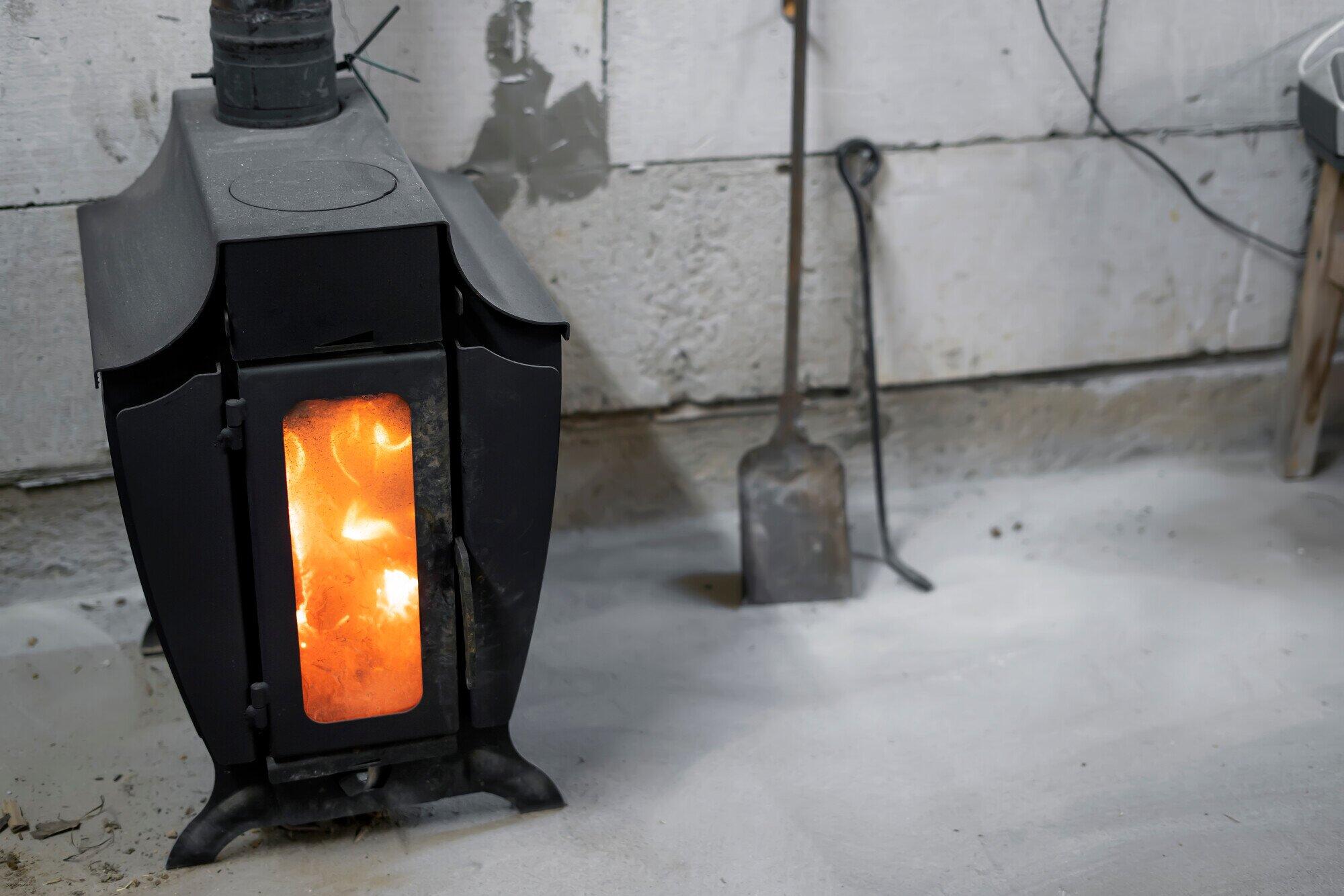
Modern homes are no longer hiding heating appliances in corners or basements. Designers and homeowners now treat fireplaces, radiators, and stoves as visual centerpieces that shape the personality of a space. Heating systems have evolved into architectural features that combine comfort, craftsmanship, and interior style in ways that stand out immediately when someone enters a room.
A couple renovating a compact mountain home expected their oversized stone fireplace to feel outdated beside sleek furniture and minimalist windows. Instead, the matte black suspended wood stove became the feature guests photographed first. The room suddenly felt warmer, sharper, and far more intentional, proving that modern heating appliances are no longer just practical additions.
They influence layout decisions, material choices, and the entire atmosphere of a home. As homeowners spend more on personalized interiors and statement living spaces, heating appliances are becoming part of the architecture itself rather than something designed to disappear.
How Have Fireplaces Become Design Centerpieces?
Fireplaces have evolved from simple heat sources into some of the most visually important features inside modern homes. In many new builds and luxury renovations, stylish home heating now shapes the entire layout of the room instead of blending quietly into the background.
Linear fireplaces have become especially popular because their clean horizontal design works naturally with living spaces. Some stretch across entire walls, while others divide dining and living areas without making the home feel closed off. Designers also use dramatic materials to turn fireplaces into architectural focal points.
Homeowners are also paying closer attention to customization. Features like floating hearths, double-sided fireboxes, built-in shelving, and recessed lighting help fireplaces feel fully integrated into the overall design of the home. In colder regions, many buyers now prioritize fireplaces that combine visual impact with high-efficiency heating performance.
This growing demand has increased interest in experienced installers and designers who understand both aesthetics and functionality. Many homeowners work with top-rated fireplace specialists in Jackson, MI, to create installations that complement modern interiors while improving comfort and long-term property appeal.
Outdoor Heating Features
Outdoor heating features have become a major part of modern architectural design, especially in homes built around entertaining and year-round outdoor living. The following often include heating elements that feel just as intentional as the interior design:
- Patios
- Rooftops
- Courtyards
- Poolside spaces
Fire pits remain one of the most popular additions because they naturally create gathering spaces and visual warmth. Many homeowners also install built-in fireplaces, recessed heaters, and sleek gas fire tables that blend directly into outdoor kitchens and lounge areas. In luxury homes, these features are often incorporated into landscaping plans from the beginning rather than added later as standalone upgrades.
Architects increasingly use outdoor heating to extend living space beyond the walls of the home. Heated patios and covered outdoor rooms allow families to comfortably use exterior spaces during colder months while maintaining a strong connection between indoor and outdoor design.
Why Are Minimalist Homes Using Bigger Heating Features?
Minimalist homes often rely on clean lines and limited decoration, which means every visible feature carries more visual importance. Instead of filling rooms with artwork, bold furniture, or layered accessories, many designers use heating appliances as statement pieces that bring warmth and personality into the space.
Large linear fireplaces have become especially common in minimalist architecture because they add movement and atmosphere without creating clutter.
A long horizontal flame beneath a stone wall or floating media unit can anchor an entire room while maintaining the sleek appearance homeowners want. Suspended fireplaces and oversized matte black stoves have also gained popularity in modern homes that focus on dramatic simplicity.
Bigger heating features also help soften interiors built with:
- Concrete
- Steel
- Glass
- Natural stone
- Exposed brick
- Polished tile surfaces
The glow of fire creates contrast against cooler textures and prevents minimalist spaces from feeling cold or overly sterile.
Architectural Heating Trends: Open Concept Homes
Since open layouts remove many interior walls, homeowners often need innovative heating solutions that look polished from every direction and fit naturally within large, uninterrupted spaces.
Designers now use heating features to guide movement throughout open interiors. A suspended fireplace above a lounge area or a narrow built-in unit along a central wall can help organize the room visually without disrupting the spacious layout.
In many homes, heating appliances quietly create boundaries between cooking, dining, and entertainment areas while preserving the open atmosphere buyers want.
Taller rooms often require larger or more dramatic heating features so they do not appear visually lost inside the space. Oversized fireplace surrounds, extended stone walls, and elongated flame installations help maintain balance within expansive interiors.
Frequently Asked Questions
Can Heating Appliances Improve Energy Efficiency?
Modern heating appliances can improve energy efficiency compared to older systems. Newer fireplaces and smart climate controls are designed to generate more consistent heat while using less energy overall.
Many modern systems also reduce heat loss and allow homeowners to control temperatures more precisely throughout different areas of the home. Features like the following can help lower energy consumption while keeping spaces comfortable year-round:
- Smart thermostats
- Zoned heating
- High-efficiency electric or gas appliances
- Programmable climate controls
- Improved insulation around heating units
How Long Do Heating Appliances Typically Last?
Most heating appliances last between 10 and 30 years, depending on the:
- Type of system
- Build quality
- Maintenance
Electric fireplaces often last around 10 to 20 years, while well-maintained gas fireplaces and cast iron stoves can remain functional much longer.
Lifespan usually depends on factors like:
- Frequency of use
- Regular cleaning
- Professional servicing
- Installation quality
- Ventilation conditions
What Are the Best Heating Options for Small Spaces?
Small spaces need heating systems that save room without sacrificing comfort or style. Many homeowners prefer compact options that blend into the design instead of making a room feel crowded.
Popular choices include:
- Wall-mounted electric fireplaces
- Vertical designer radiators
- Infrared heating panels
- Compact pellet stoves
- Heated flooring systems
Electric fireplaces are especially common in apartments and condos because they do not require venting and fit easily into modern layouts. Heated floors also work well in smaller homes since they remove the need for visible units altogether.
Start Shopping For Heating Appliances Today
There are so many great options when it comes to personalized heating appliances.
Searching for more home redesign tips and tricks? Explore a few of our other helpful posts.