Saving for a house in 2026: What first-time buyers need to know
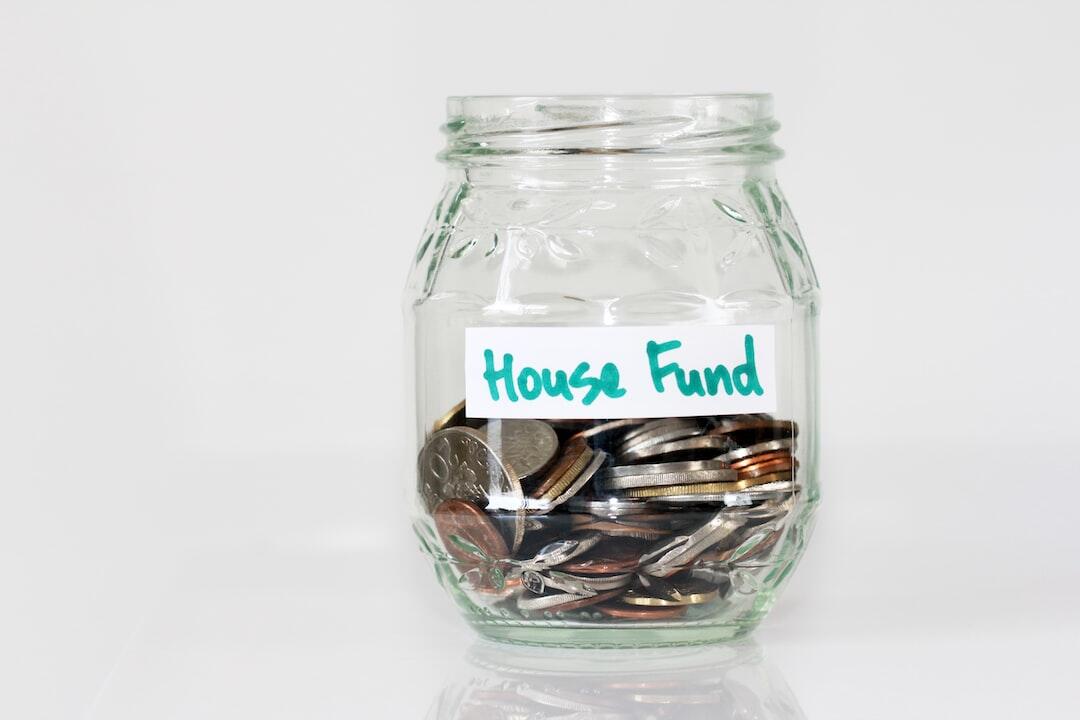
Saving for a home as a first-time buyer requires you to think beyond the deposit. You need to keep your credit score in mind and prepare for rising homeownership costs as well.
America is a nation of homeowners, with the National Association of Realtors reporting a 65% homeownership rate in 2026.
Owning a home remains one of the biggest dreams for every American, but with prices increasing year over year, homeownership requires a great financial commitment. For many people, that journey starts with a savings plan.
Saving for a house helps you put together enough money for a deposit, which is a key qualification requirement for many mortgage facilities. However, as a first-time buyer, there are important things you need to keep in mind, from the impact of your credit history to hidden costs you can expect.
Is 2026 a Good Year for First-Time Homebuyers?
Whether this is a good year to become a homeowner largely depends on your finances and location.
If you’re looking to finance the purchase, this is a favorable time to dive in. Although mortgage rates are still relatively high compared to 2020-21, they’re slightly lower than the last two years. 30-year fixed-rate mortgages are averaging 6.3% to 6.4%, and many experts are forecasting a drop toward 5.9% as the year progresses.
Another condition to look at is the state of the housing market. Is it a seller’s or buyer’s market in your location?
As a buyer, you want to enter the market when the supply of homes is greater than the demand (buyer’s market). An increased inventory expands your options and gives you a negotiating advantage, as there aren’t many buyers bidding for the same properties.
On the downside, home affordability still remains a challenge, as the rising cost of living has increased the prices of other costs of buying and owning a home. Buyers in areas prone to severe weather or rising rebuilding costs may especially notice higher premiums, making it important to compare coverage options early — particularly when researching policies like New Hampshire home insurance as part of the overall home purchase budget.
If you’re not on a tight budget, your income is stable, and have manageable debt, 2026 presents decent homeownership opportunities. The key is to find a property that ticks your boxes and make a swift move when you find a good deal.
How Much Money Should You Save Before Purchasing Your First Home?
There’s no one-size-fits-all answer, but the rule of thumb is to save about 20% of the home’s purchase price.
A common mistake first-time buyers make is saving only for the deposit. While important, there are other expenses you need to budget for, such as closing and moving costs.
Ideally, you should save as much as possible. Although some loan types accept deposits as low as 3% to 5%, putting down a bigger deposit can help you secure a better mortgage rate and can qualify you for a larger loan amount.
What Credit Score Do You Need to Buy a House in 2026?
If you’ve never taken out a loan or credit card before, you might not think much about your credit score as you save for a house. Yet, it’s one of the most important factors, as lenders have minimum credit score requirements, depending on the type of mortgage.
For a conventional home loan, you need a score of at least 620. Buyers with higher scores are more likely to get lower rates as they are less likely to default on the loan.
FHA mortgages, VA loans, and other government-backed loans offer more credit score flexibility. You can qualify with a credit score as low as 580, and even lower with a larger deposit.
So, as you save for the down payment, don’t overlook your credit score. If it’s right on the minimum, take steps to improve it before approaching a lender.
Hidden Costs You Can Expect When Buying a Home
Imagine this: You’ve identified your ideal home, listed at $300,000. You’ve got $50,000 down, and you’re thinking the only task is to service the $250,000 mortgage you’ll get.
As a first-time buyer, you’d be forgiven for thinking like that. There are additional charges that can spring up when purchasing a home, including lender fees, appraisal fees, title insurance, attorney fees, home insurance, and even property taxes.
The risks can be even higher when buying an older house, as repairs and maintenance issues are often less predictable.
So, what you thought was a quick deal ends up costing you tens of thousands of dollars more.
Frequently Asked Questions
Is It Better to Buy a Starter Home or Wait for a Forever Home?
It depends on your financial situation, but if you’re like many first-time buyers, it’s better to begin with a starter home. Instead of waiting a long time to afford your forever home, a starter home introduces you to homeownership and lets you start building equity.
How Long Does It Take to Save for a First Home?
Some buyers will take several years, while others may save enough in a much shorter time. The timeframe will depend on your income, existing debt, living expenses, and most fundamentally, the cost of the home you’d like to buy.
Should First-Time Buyers Get Pre-Approved Before House Hunting?
Yes. Pre-approval helps you know how much house you can afford before you start checking out homes for sale. If you’ve been pre-approved for $200,000 and you have $30,000 saved up for a down payment, you’ll have a realistic figure of what houses to hunt for.
Why Is an Emergency Fund Important After Buying a Home?
Unexpected expenses can arise. The home might need urgent repairs or have maintenance issues. An emergency fund will keep you from needing to go into more debt trying to fix these issues.
Saving for a House: Proceed Diligently
You’ve made a savvy decision to start saving for a house. Financial preparedness is the key to smooth homeownership, but don’t just save for the deposit. There are hidden and unforeseen home expenses to account for, and you don’t want to be caught flat-footed. The habits you develop today will come in handy when buying a second home.
Explore our website for more practical tips and insights on a wide range of topics.