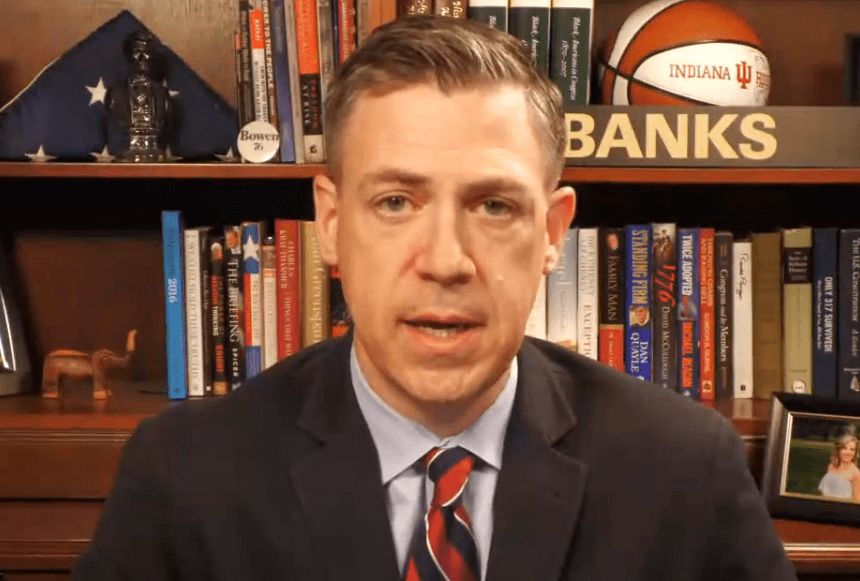
The Blockade Affect On Gulf Nations And Nations Worldwide
How The Blockade Is Affecting Nations On The Gulf And Worldwide
- Saudi Arabia concerned about consequences, while UAE opposes Iran more explicitly.
- China may help Iran resist US pressure, given its own interests in the region.
- Europe's slow response and military decline raise concerns about its ability to address the changing landscape.
The Blockade Affect On Gulf Nations And Nations Worldwide
The Middle East is a complex and volatile region, where the actions of one country can have far-reaching consequences for others. Tony Katz is joined by Steve Yates, a Senior Research Fellow for China and National Security Policy at the Heritage Foundation, to explore the intricacies of the current situation in Iran and the implications for the global community.
The conversation begins with a discussion about the recent blockade of Iranian ports, which has sparked a range of reactions from countries in the region. “This blockade is a blockade of ports, not a blockade of the Strait,” The blockade is aimed at disrupting Iran’s ability to control the flow of goods and revenue, which is crucial for the regime’s survival.
One of the key questions on everyone’s mind is why Saudi Arabia, a major player in the region, is opposing the blockade. “Saudi Arabia wants to go back to the golden path they’ve had for decades,” noting that they’re concerned about the potential consequences of the blockade, including increased tensions with Iran and the risk of retaliation. However, it is pointed out that the UAE, another key player in the region, is more explicit in its opposition to Iran’s actions and has been vocal about recognizing the Muslim Brotherhood as a terrorist organization.
The conversation also touches on the role of China in the region, particularly its relationship with Iran. While there’s no concrete evidence of China actively supporting Iran with military hardware, it’s possible that China may be providing Iran with “manpads” or shoulder-launched missiles. He also speculates that China may be willing to help Iran resist US pressure, given its own interests in the region.
The discussion also delves into the European response to the situation, with the UK and France planning a summit to discuss their potential actions. The European approach as “whistling past their own graveyard,” noting that they’ve been slow to respond to the changing landscape in the region and have allowed their military industrial base to atrophy.
Finally, the conversation turns to the impact of the UK’s relationship with the US, particularly in the wake of recent tensions. Steve notes that while there’s been some damage to the relationship, it’s not irreparable and that the UK can still work to rebuild its partnership with the US.
If you’re interested in understanding the complexities of the Middle East and the implications for global security, this episode is a must-listen. Steve Yates provides valuable insights into the current situation and offers a nuanced perspective on the key players involved. Tune in to hear more about the blockade, China’s role, and the European response, and discover how these developments are shaping the future of the region. Listen to the full segment to gain a deeper understanding of the issues at play.
Listen to the discussion in full here:
Listen to the show in full here:
Watch the show here:
Archived episodes here:
ABOUT THE SHOW
Tony Katz Today airs from 12-3pm ET on 93.1 WIBC/Indianapolis
What are we talking about? Politics, breaking news, political theory, art, the markets, food, libations and whatever else may come to mind.
PLEASE SUBSCRIBE TO THE PODCAST
Tony Katz Today on Apple Podcasts